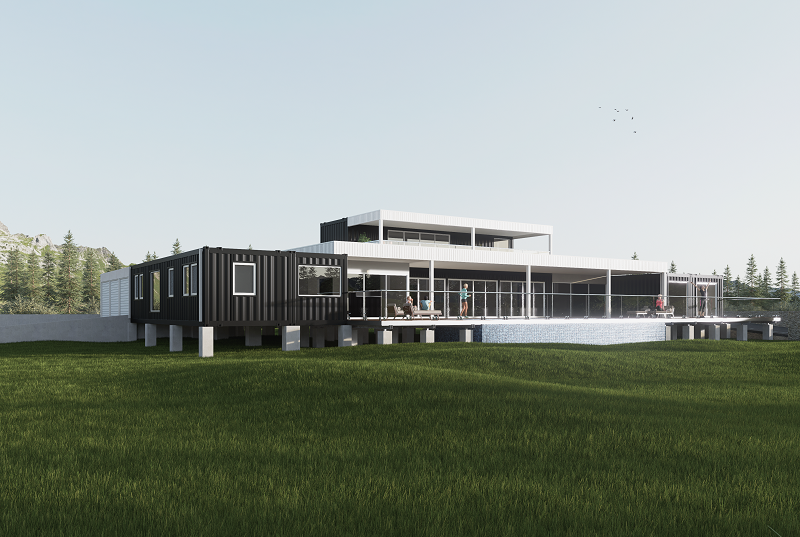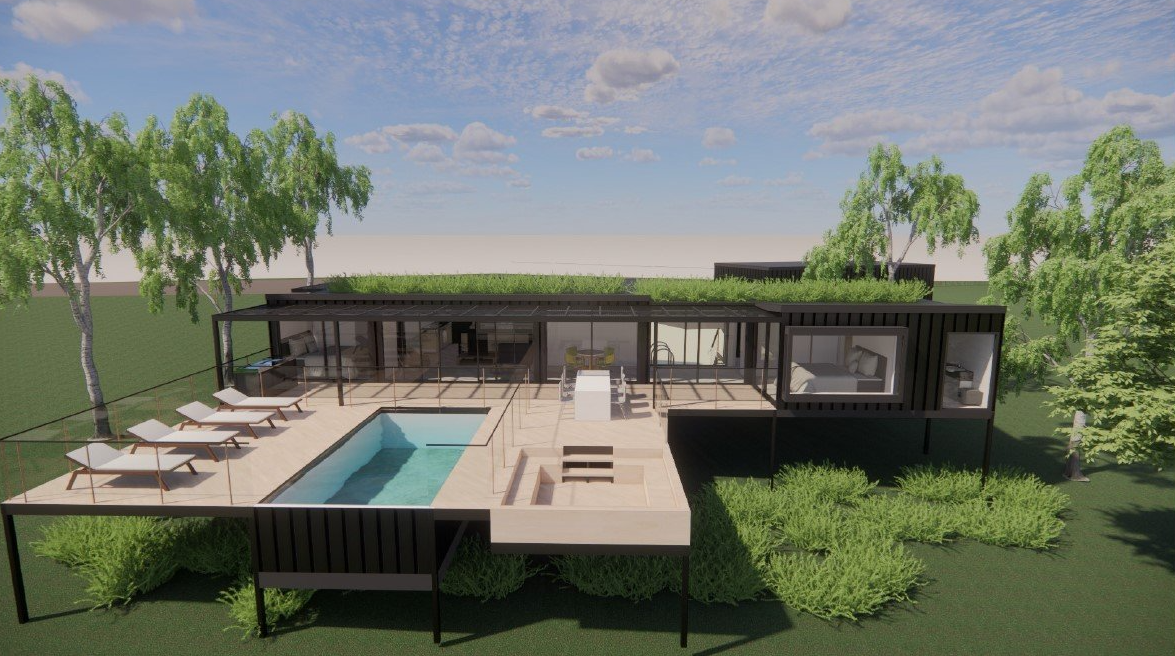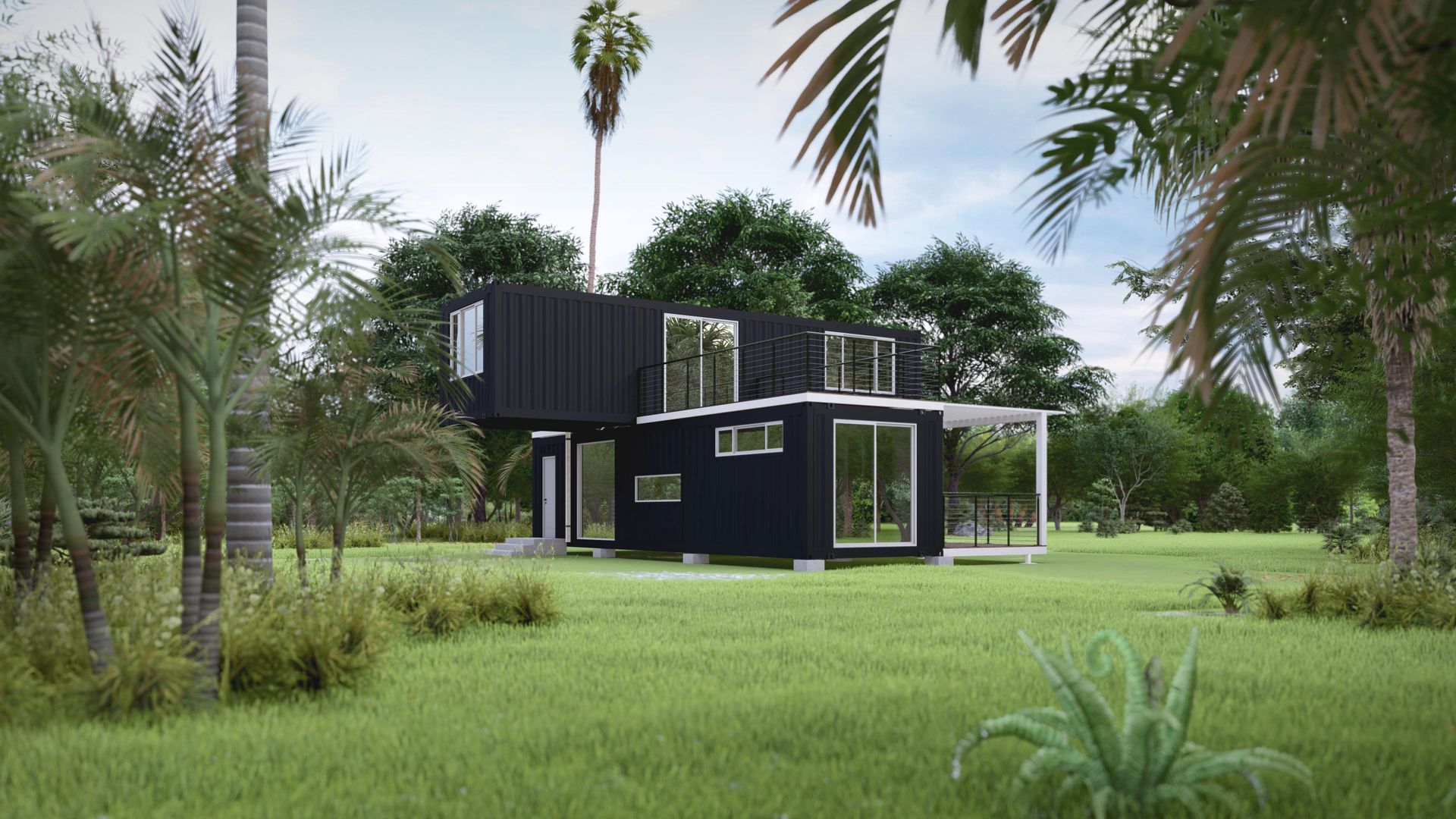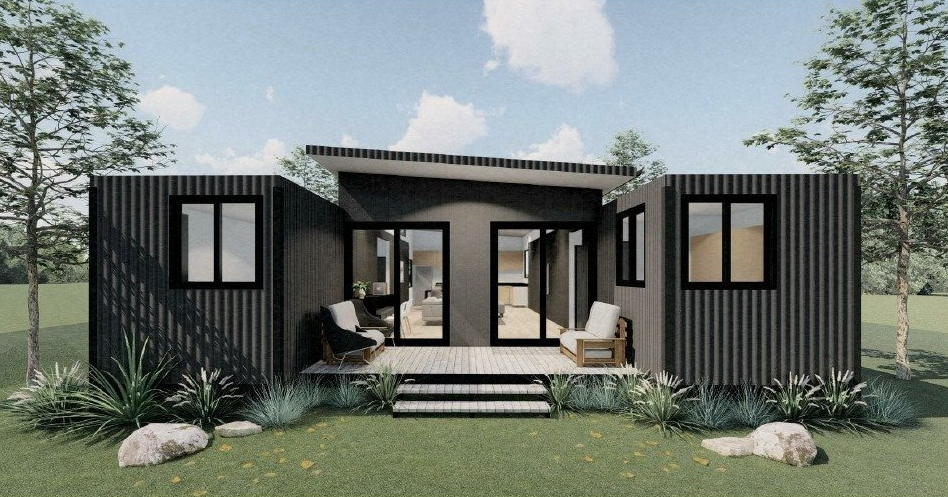

Container Homes
Home Print

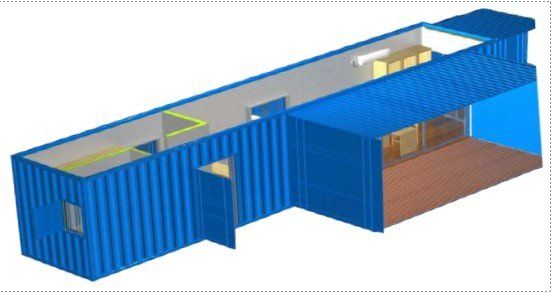
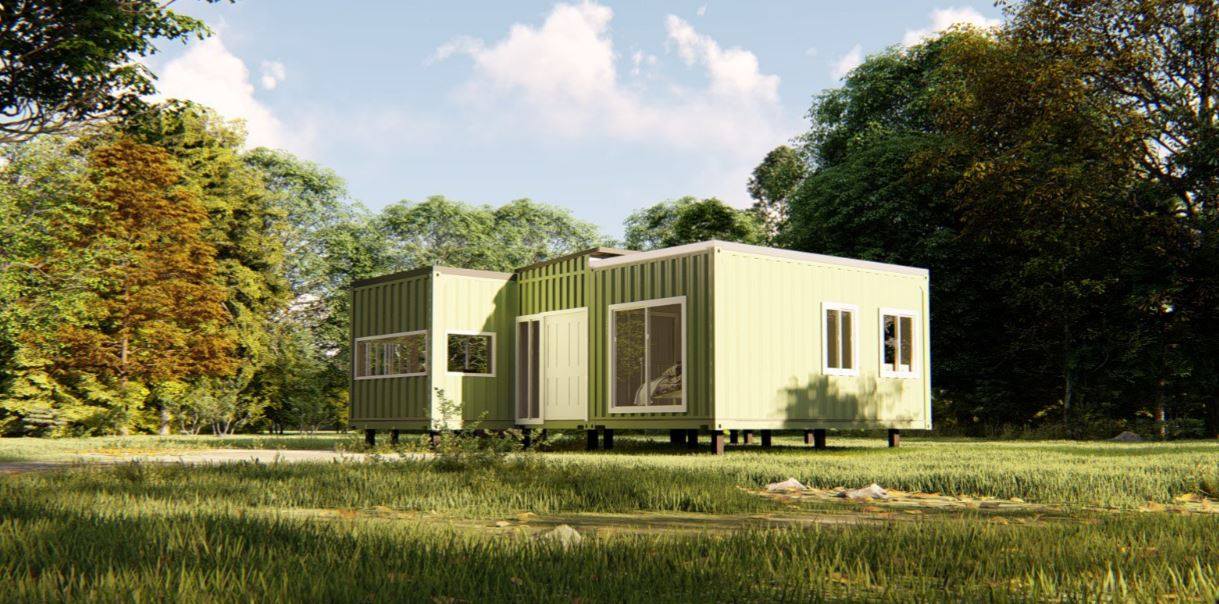
One Bedroom 6 meter Unit from $37,700 Plus delivery

one or 2 bedroom 12 meter unit from 47,700 Plus delivery


containerhomes.net.au portable building solutions!


· Usually shipping container conversions come in two sizes: 40 foot x 8 Foot or 20 Foot x 8 Foot solid construction

· Cyclone proof,

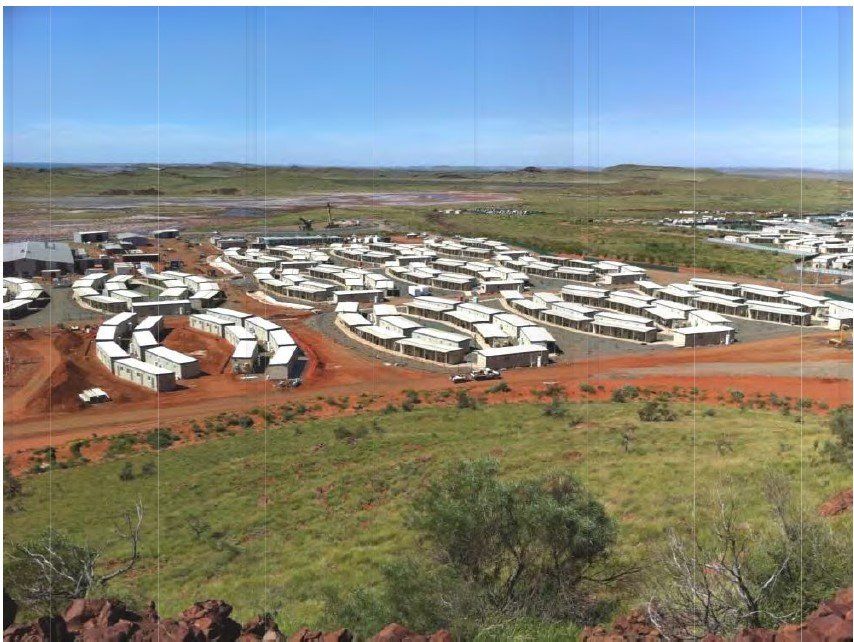
· Ideal for remote Australian conditions. (Mining) Easy commissioning within min.

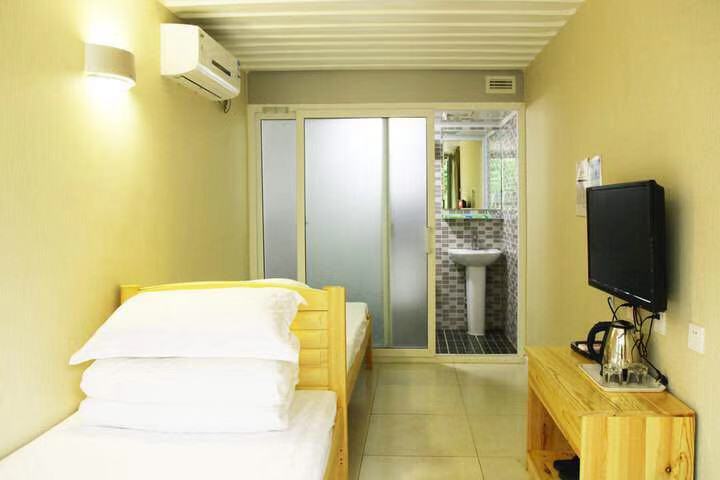
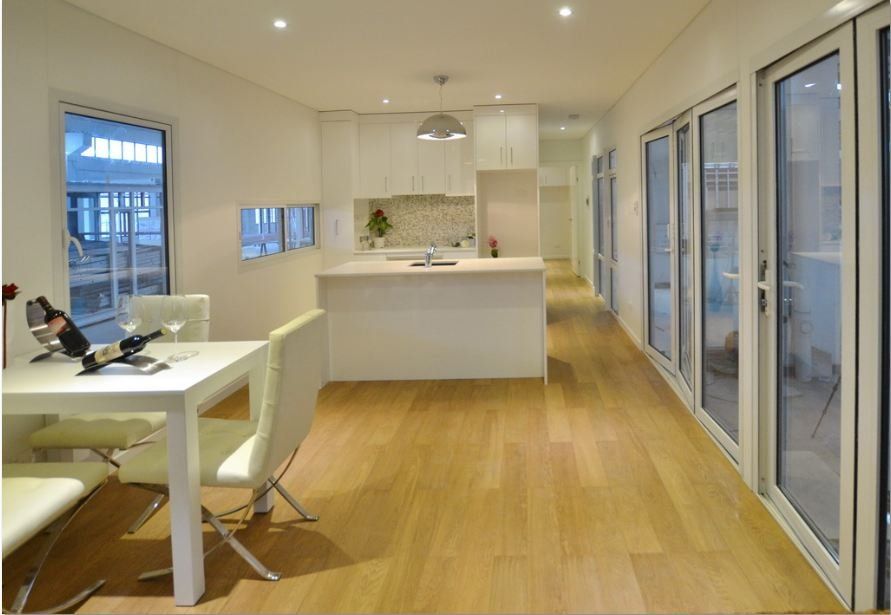
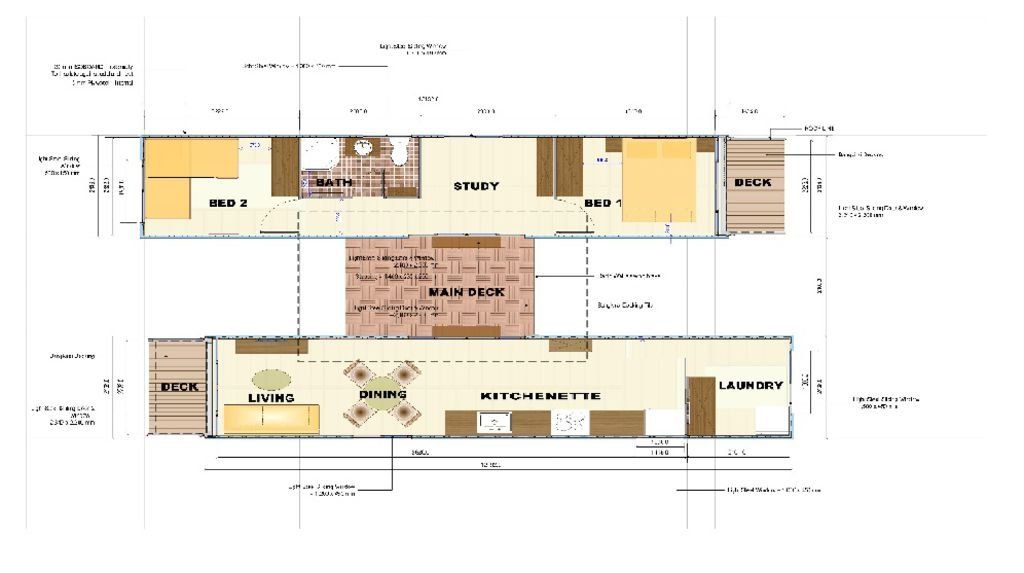
· Large roomy internal area fully decked out as home easily transportable or optional wheelbase any large four-wheel drive can trailer fully functional bathroom, septic or chemical toilet.

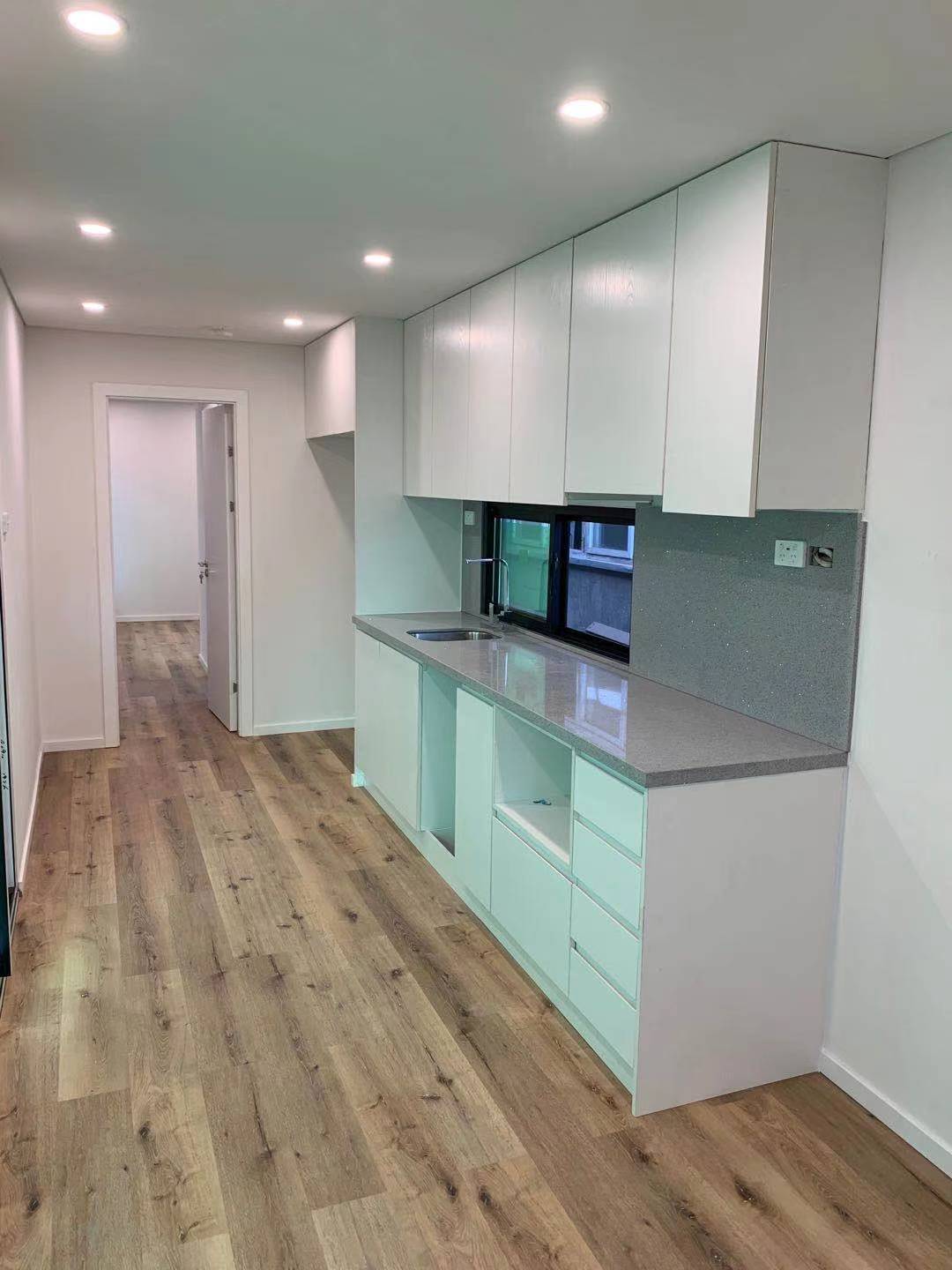
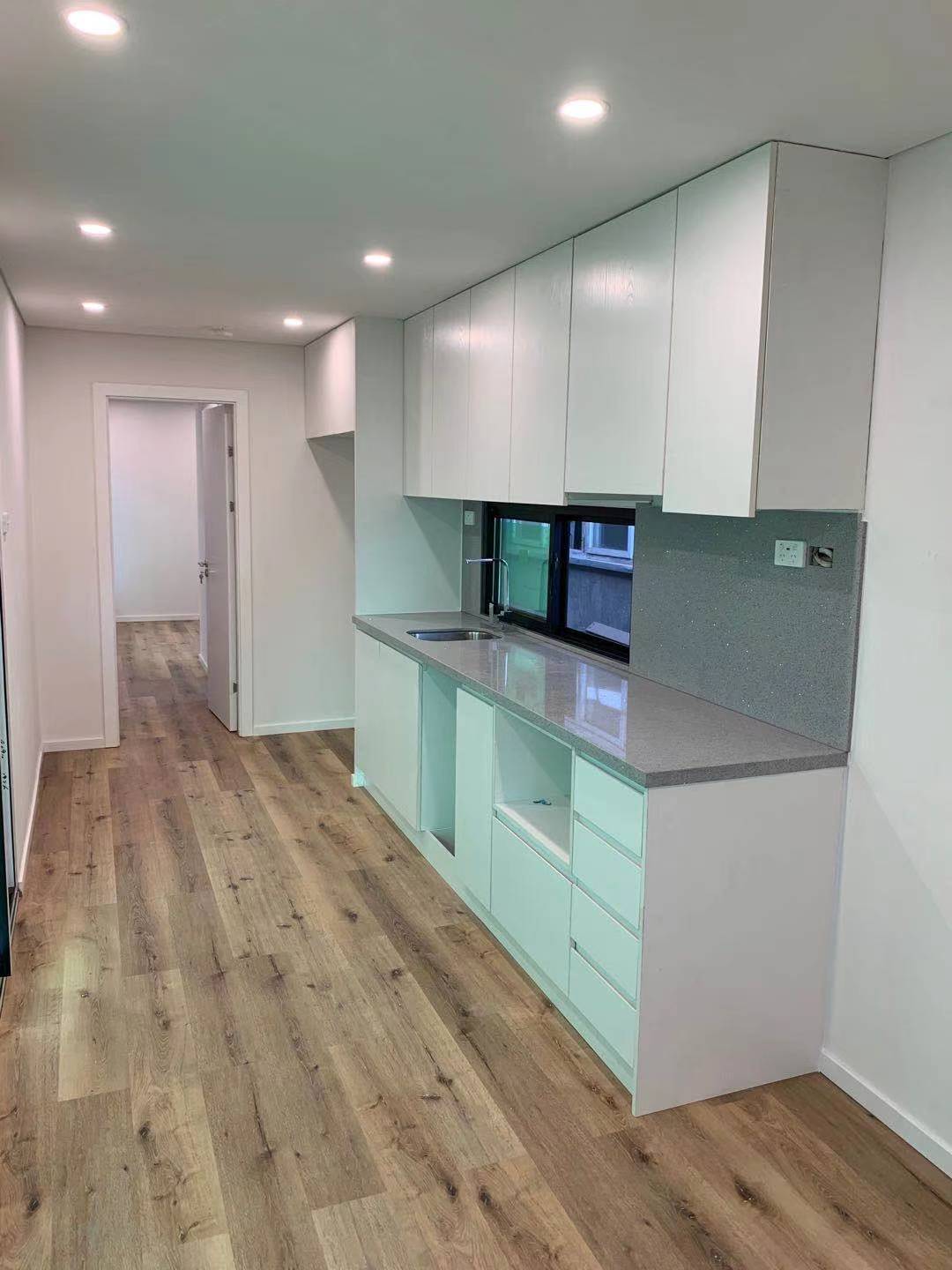
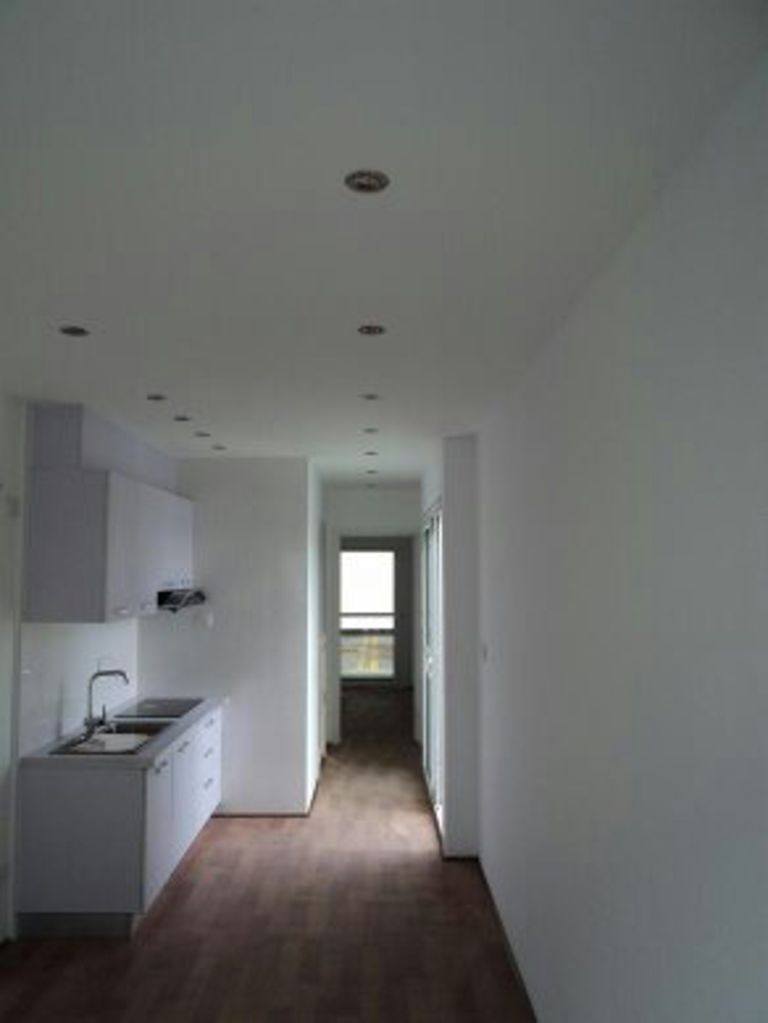
· Fully functional kitchen, electrical appliances.

· Microwave oven, toaster and fridge. Fully ducted heating and Cooling Gas or electrical hot water system, Solar power for lighting with backup batteries.

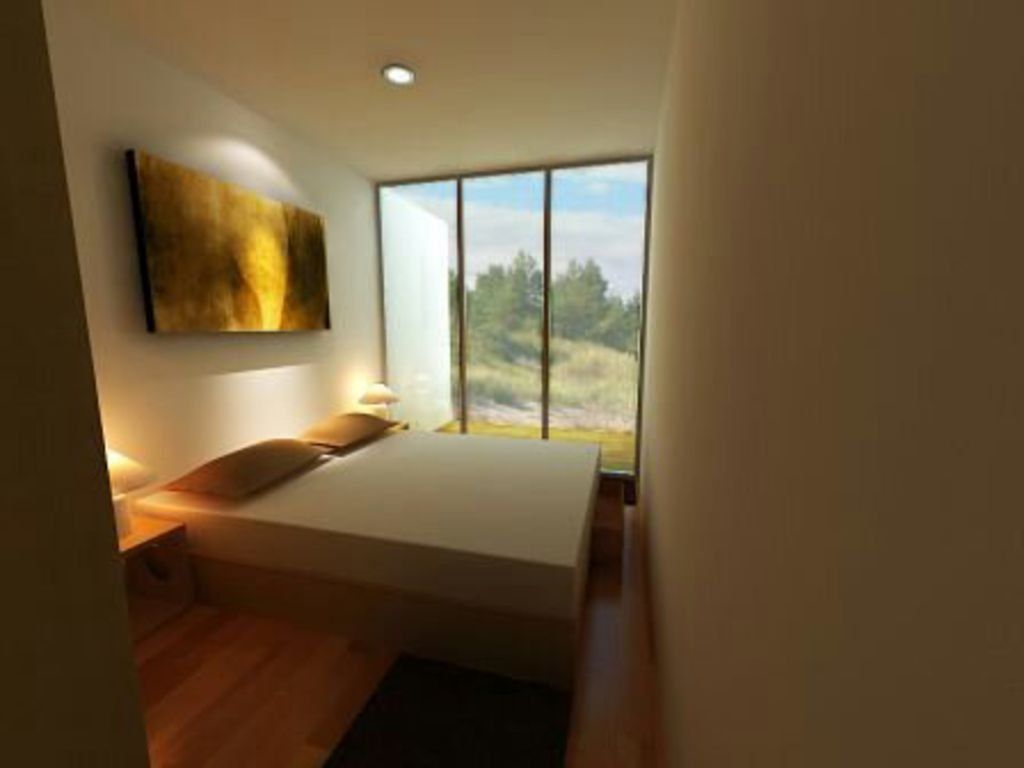
· Large integrated water storage tank (optional) large king single bed or bunk bed, double bed and fold down (optional).

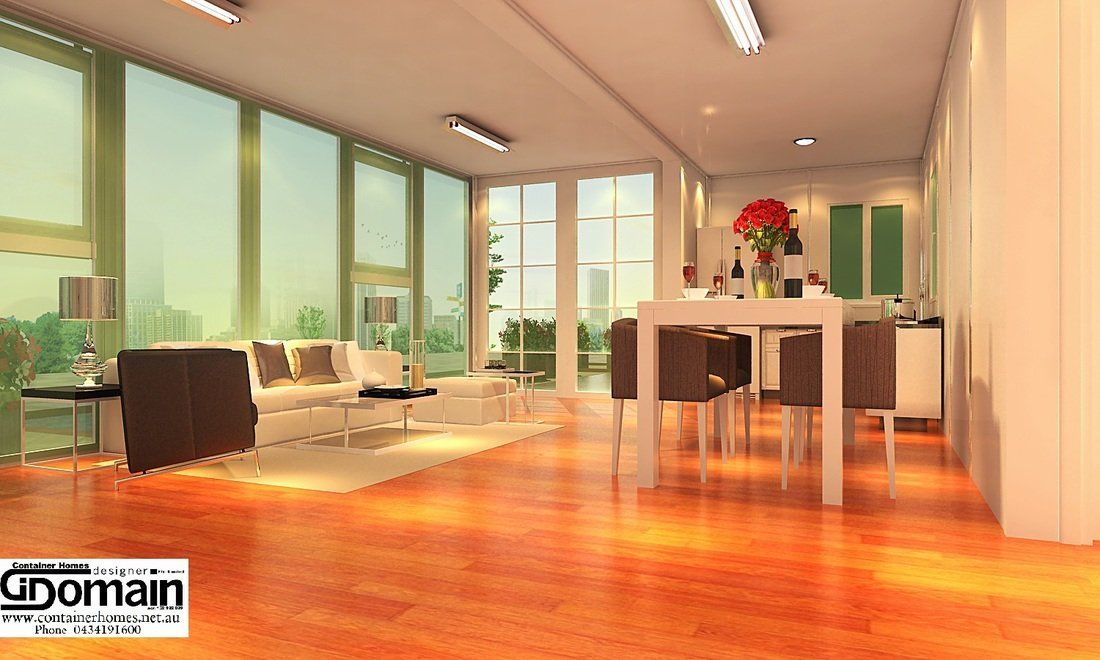
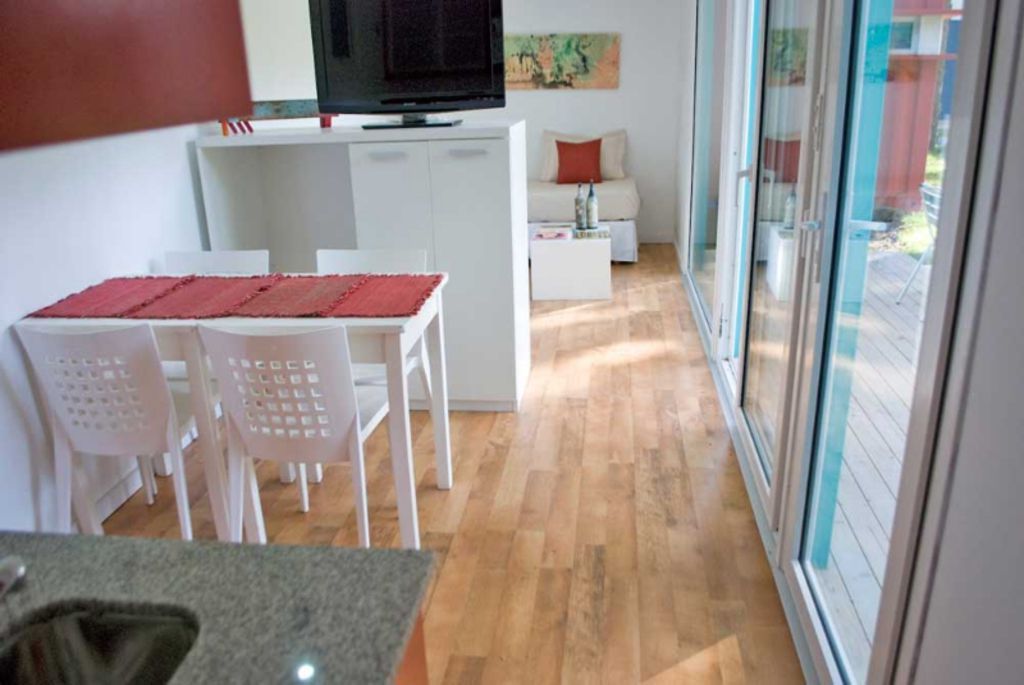
· Fully functional home office with PC, TV, DVD, and stereo system.

· Fully insulated for climate control.

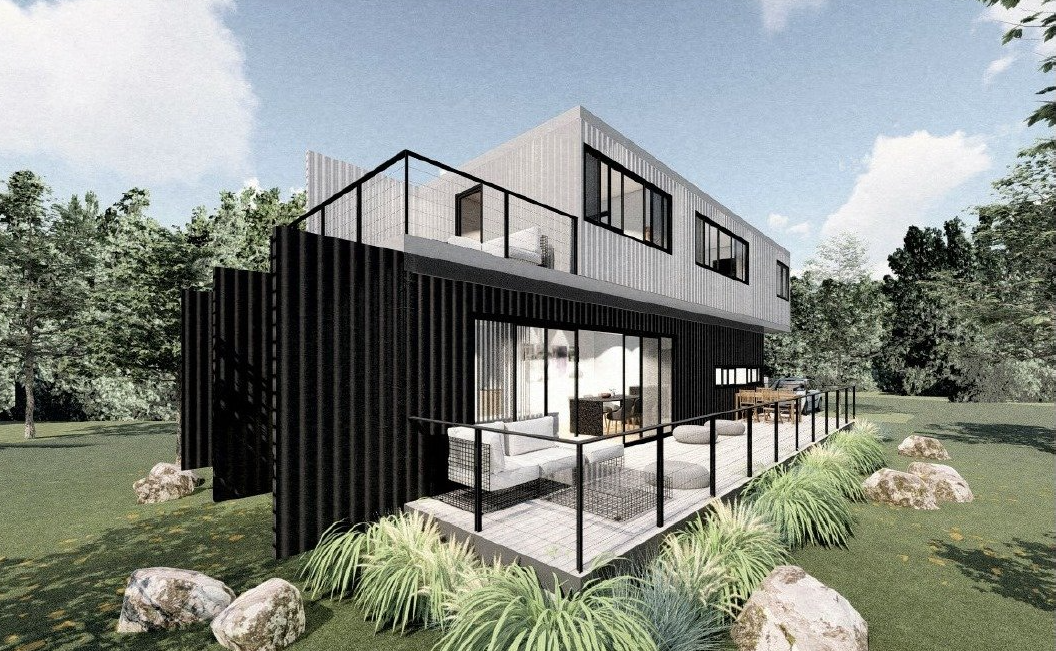
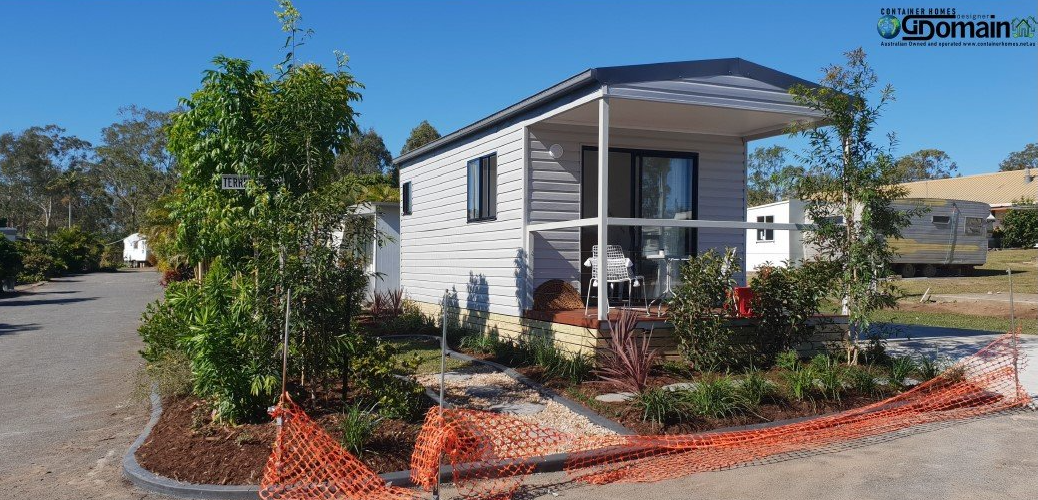
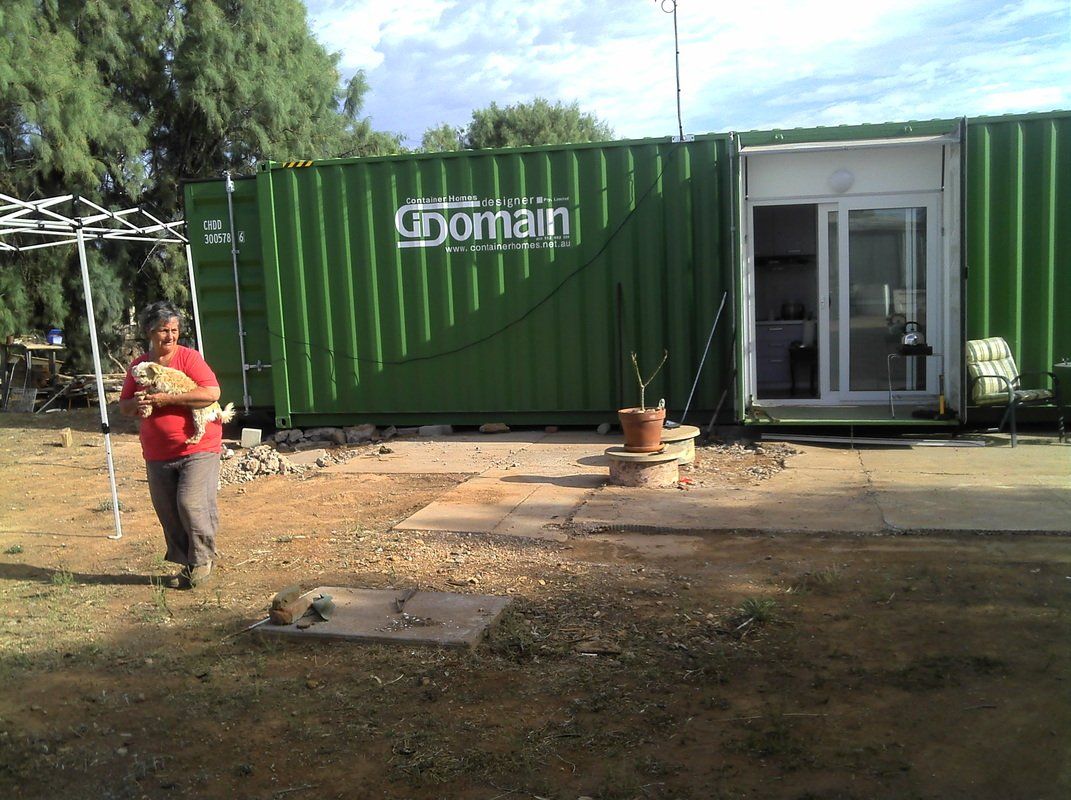
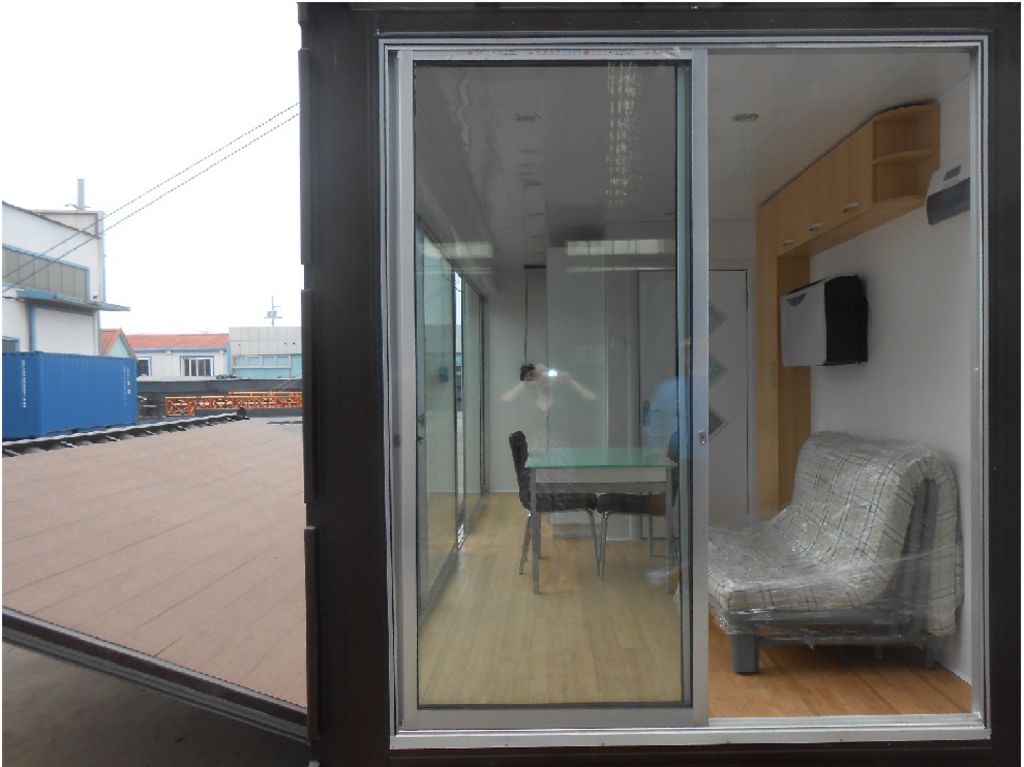
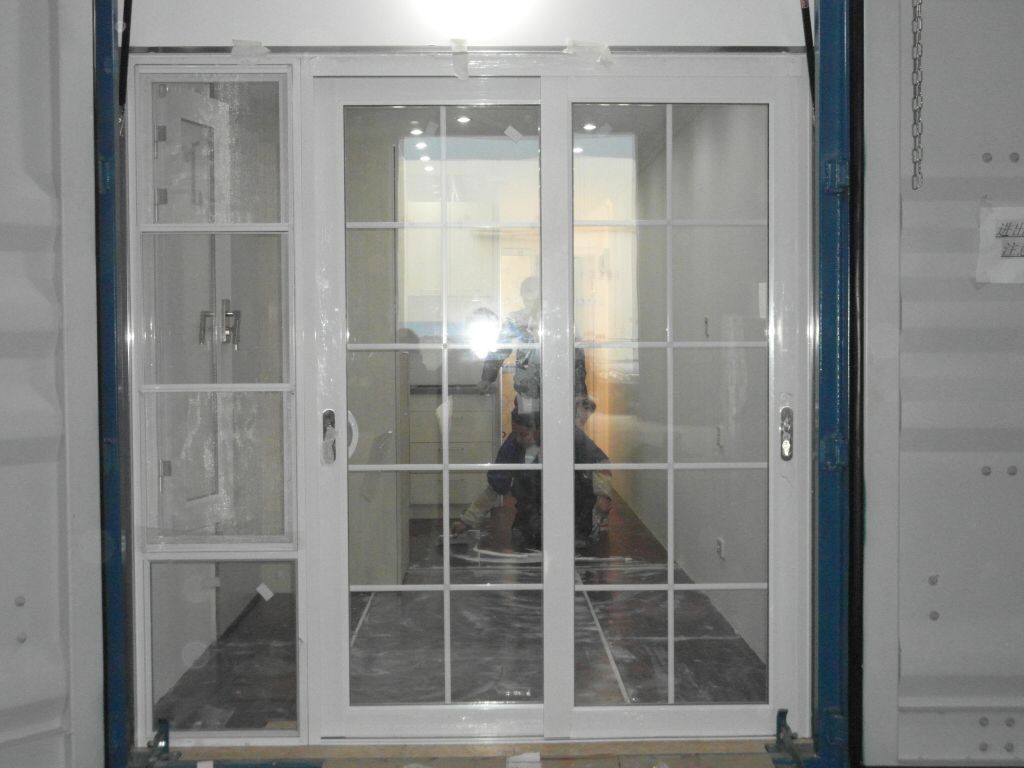
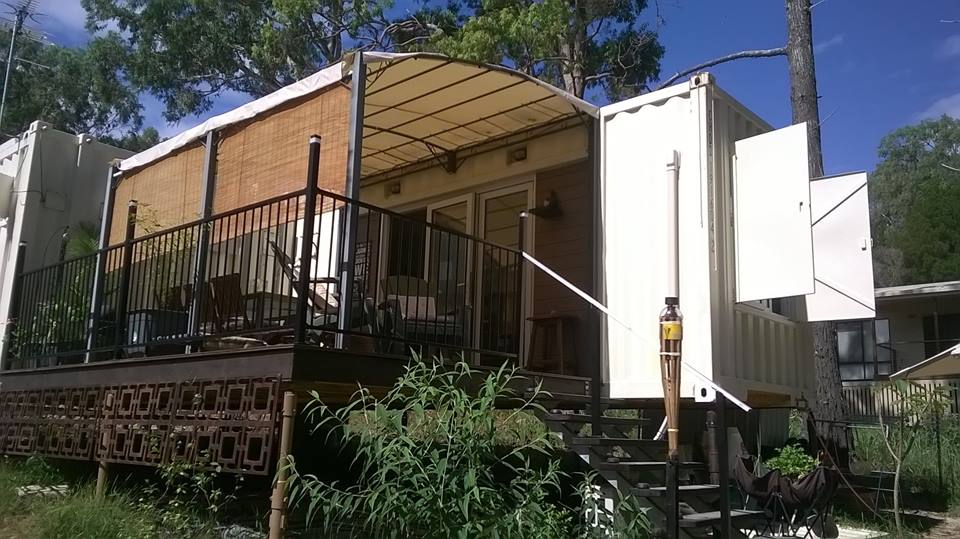
· Double sliding glass doors opening onto large undercover deck.

· Timber polished floors and waterproof flooring and walls to wet areas.


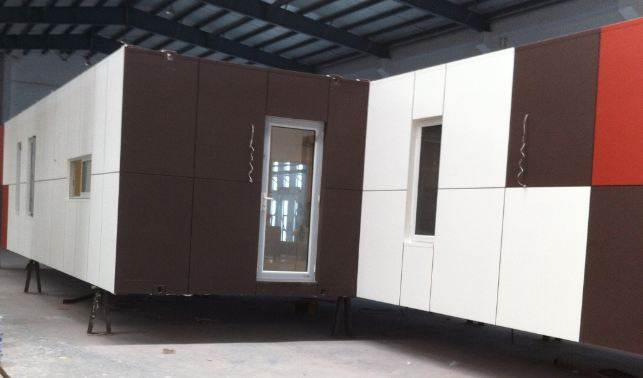
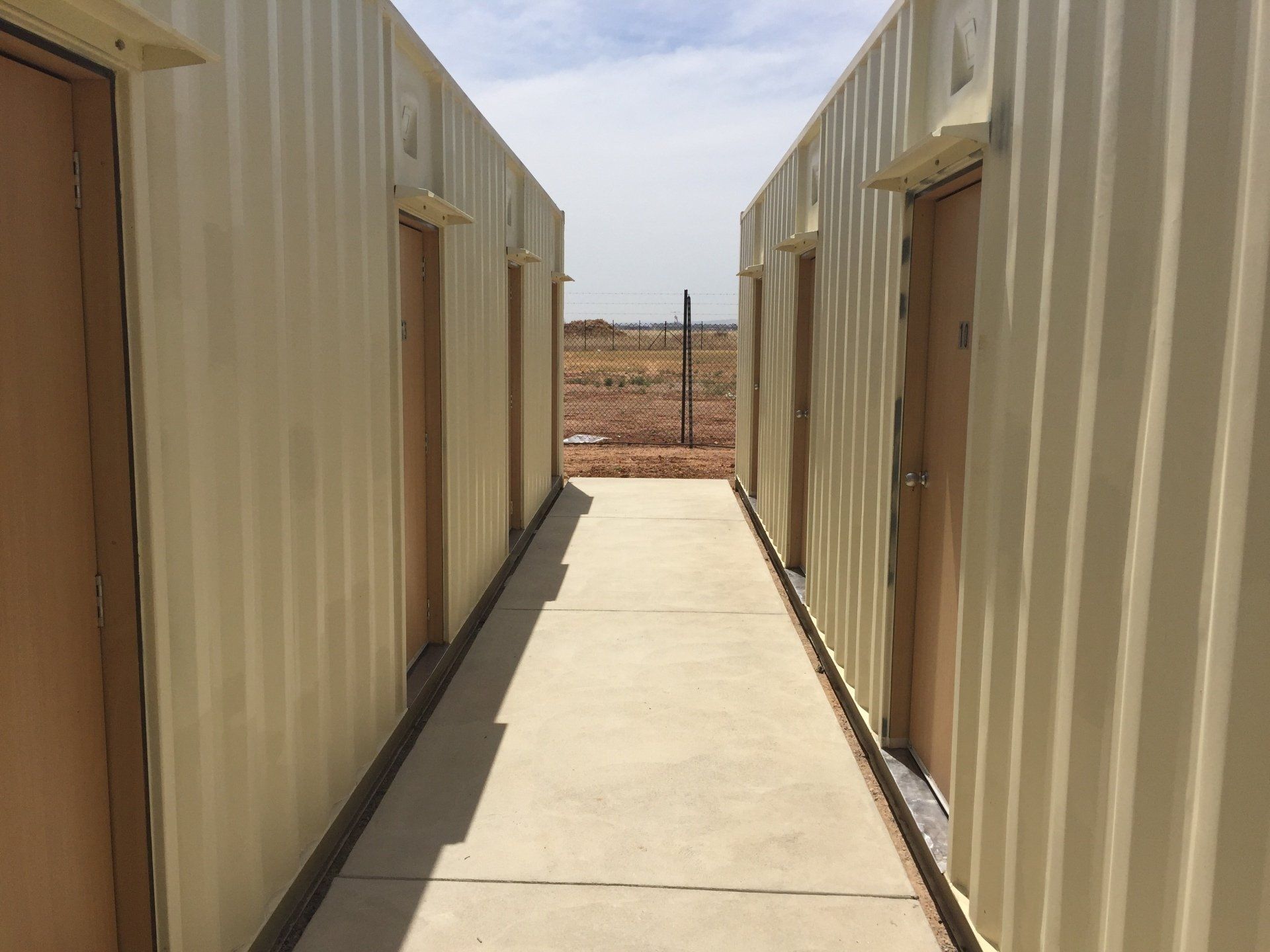
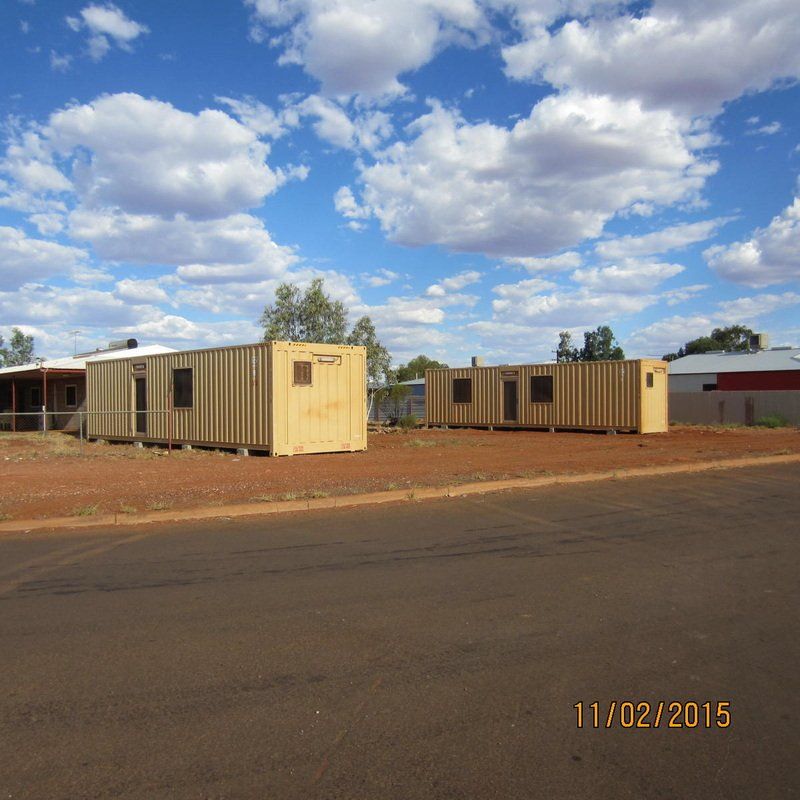
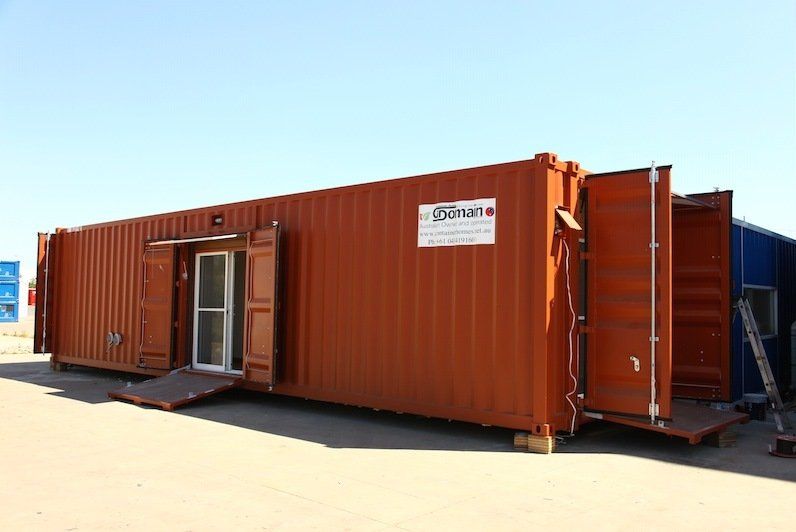
6 studios in 2 40 foot containers


MODULAR ACCOMMODATION CONTAINERS

Aust provisional patient no. 2008904503


info@containerhomes.net.au This e-mail address is being protected from spambots. You need JavaScript enabled to view it


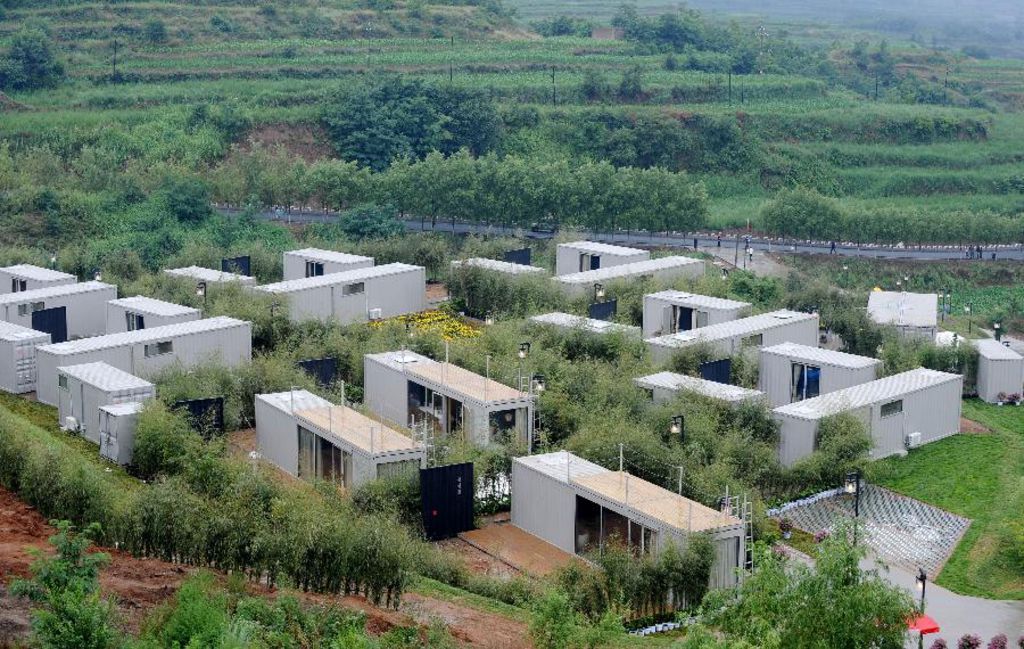
Australia is in its infancy as far as design work with containerized accommodation is concerned. Internationally it is used for density accommodation for motels, student accommodation and tourism thru to quite unique housing solutions.

Due to the structural integrity, modular nature and universal standardized transport methods, containers are an ideal component to develop internal spatial uses within and in particular to service the resource sector.


Our design and construction have been at the forefront of assess overseas solutions and transforming these ideas into an Australian answer. We have peculiar requirements in Australia due to remoteness, heat, intense sun, cyclonic conditions plus many others that demanded a localized solution.

Intense work has been put into developing solutions that satisfy many of the growing demands of the resources sector. Its needs are changing from being satisfied to use the old ‘donger’ to now needing a more homely, private space for the use of staff after work. The structure has also to be robust to withstand the often harsh user treatment given to these units and remain transportable and reusable in new locations.


To encompass all needs is a challenge when working within a rigid module such as a container. Previous failings in design and crass deployment of substandard units have earned containerized accommodation a less that glowing recommendation. Designers have played with modular, affordable components in this mechanized world for decades and now a solution is emerging that provides a suitable living environment in Australian conditions.


Our latest designs have utilized the structural integrity of the container whilst creating internal spatial arrangements of human comfort proportions.


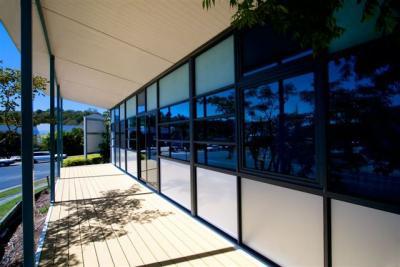
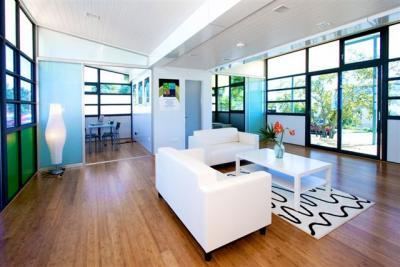
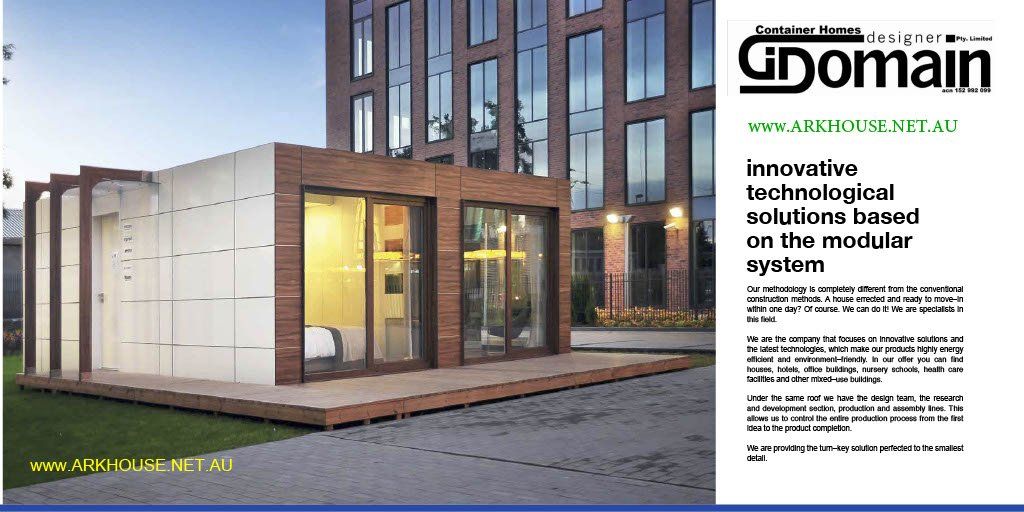
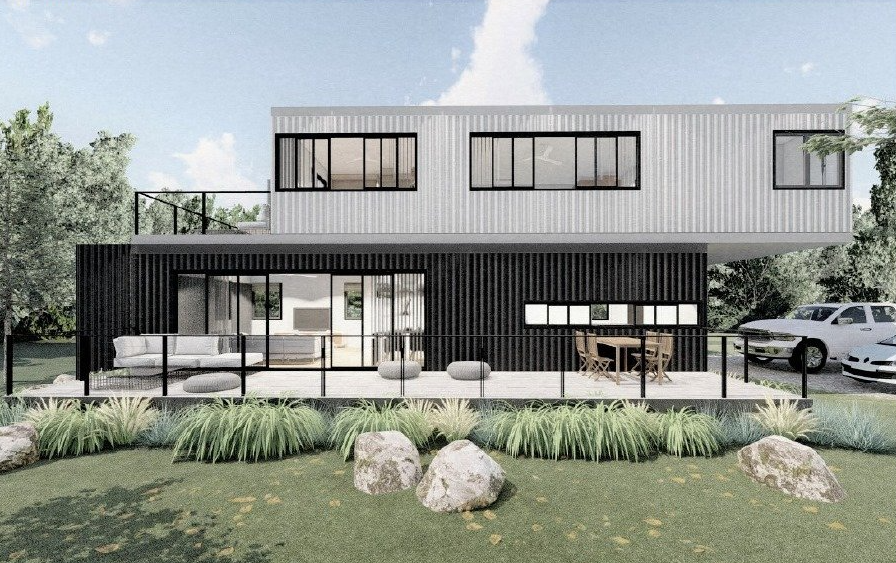
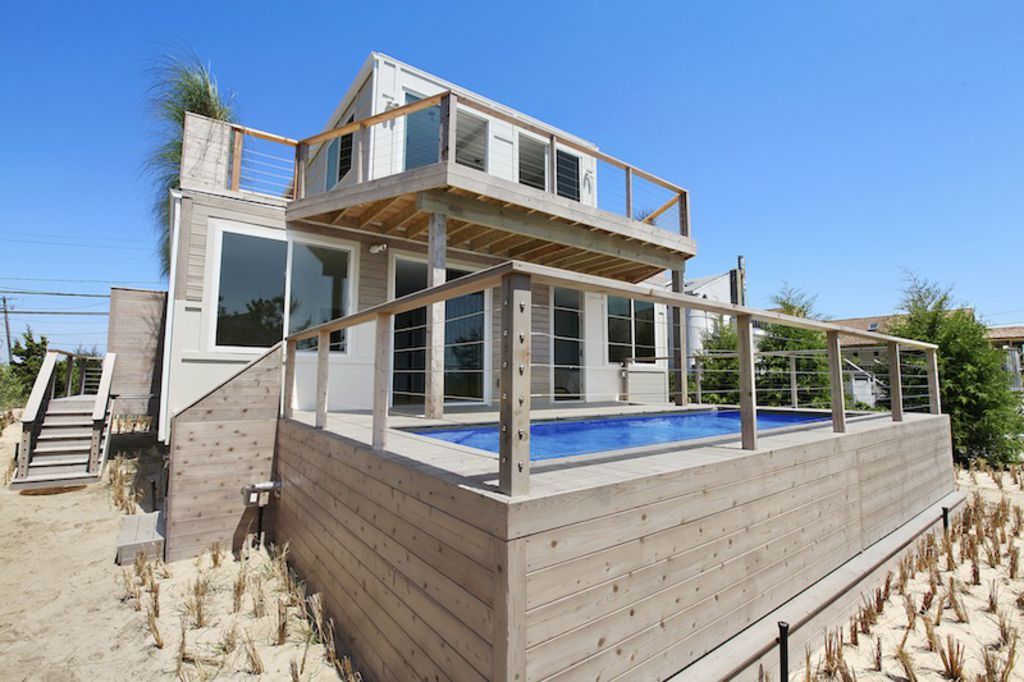
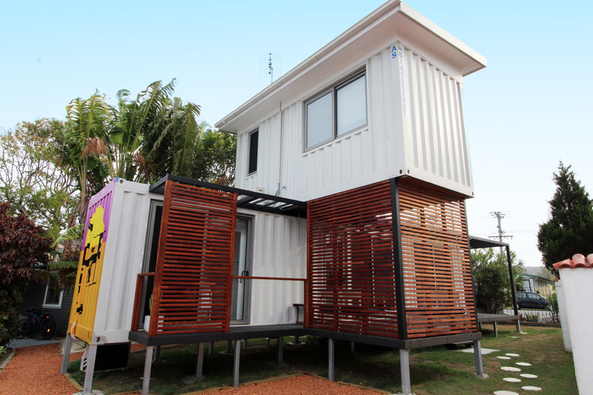
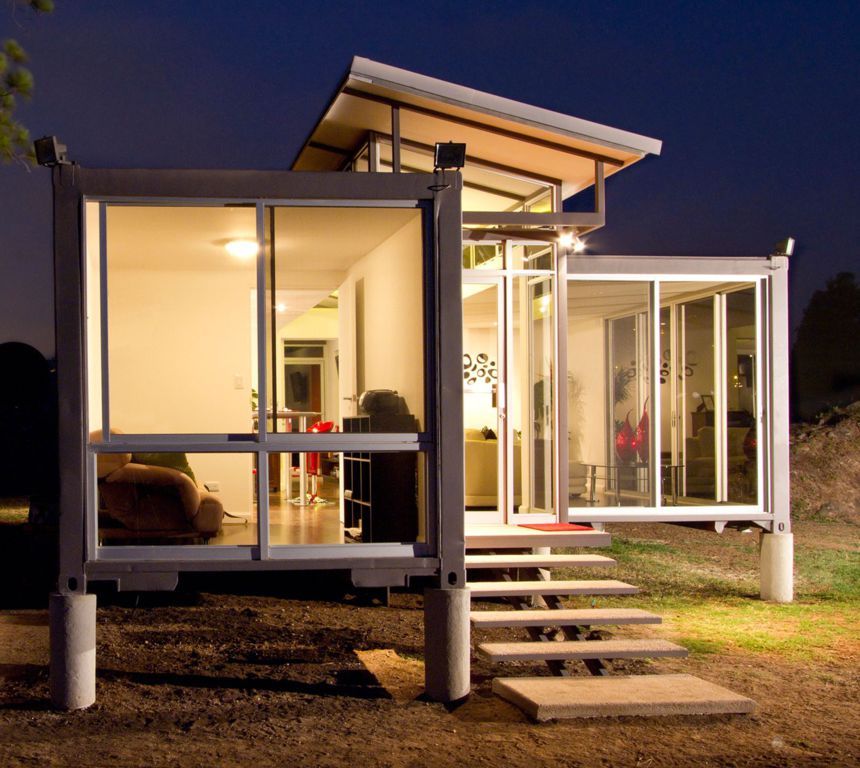
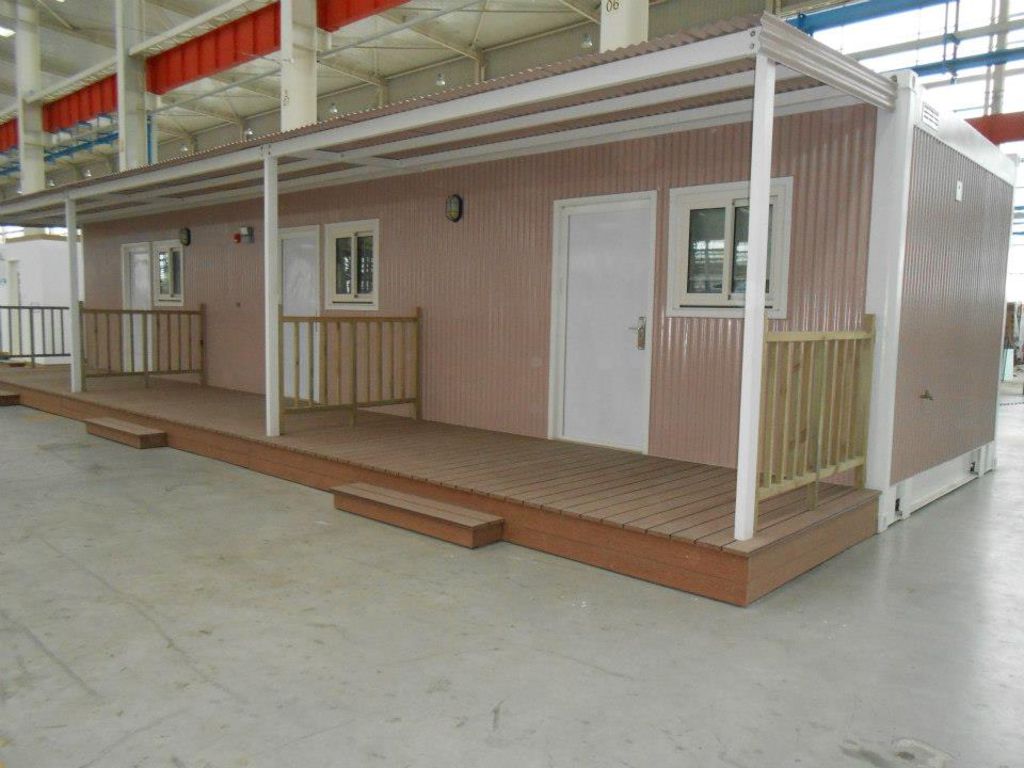
Due to the incorporation of added container doors externally, the designers have been able to encompass a fold out external private deck and roof shelter to each unit therefore enabling the use of a glass into doors and windows. Why is this so great, the internal ambience of each unit is enhanced, a private space is created and in the event of cyclones etc the deck and roof are folded back in and the doors are closed. Total protection!


One of the great failings of container use in accommodation has been in insulation. This has been principally due to exposing the steel shell to the direct sun and heat. An instant sauna, the heat is dissipated by the use principally of air conditioning.


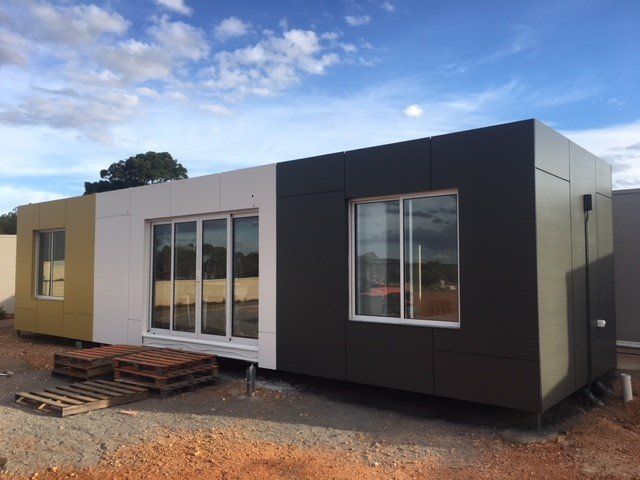
The added advantage of using recycled containers (which is environmentally credit worthy) in Australia is the constraints of transport can be extended marginally without incurring transport cost penalties. Due to this we have added an external insulation barrier to the container which has two obvious impacts


a) Direct sun and heat does not strike the steel fabric of the container


b) The external appearance is altered and the perception of living in a container is alleviated.


Further, a prefabricated roof structure has been utilized. This gives further protection against the elements and providing roof to walkways, enclosed space for airconditioning plant and roof for solar hot water and power if desired.


Collectively these elements will enable an overall star rating of 6.5 which is the resource industry bench mark. It must also be remembered that these are developed from a recycled component and will use far less energy to maintain ambient temperatures than other solutions. A green solution!


A fold down walkway is also encompassed and built in at the factory so that the whole unit can be delivered to and deployed on site, finished ready for use in approx 1 day.


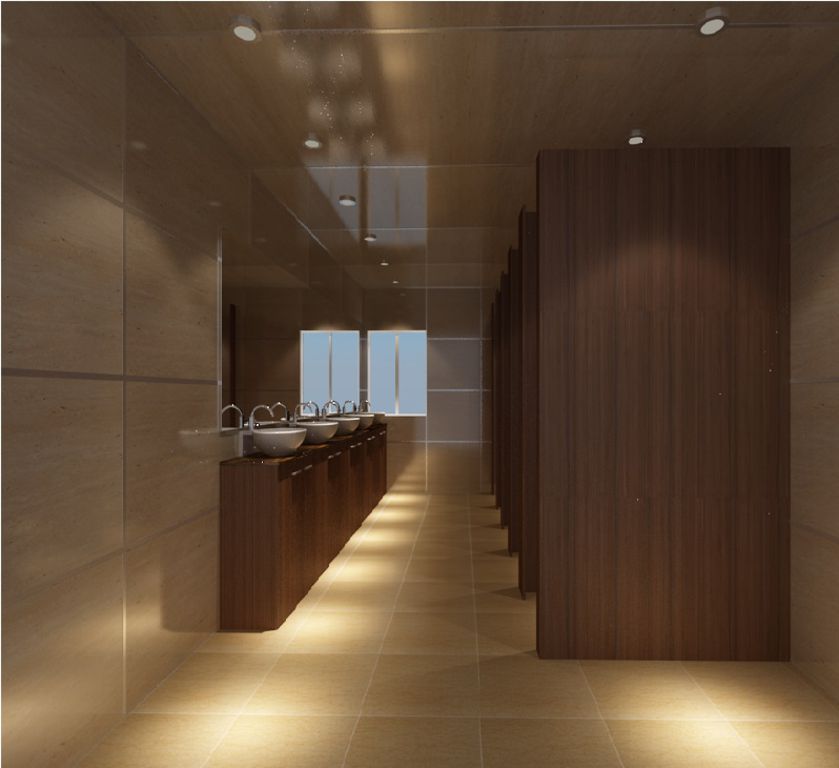
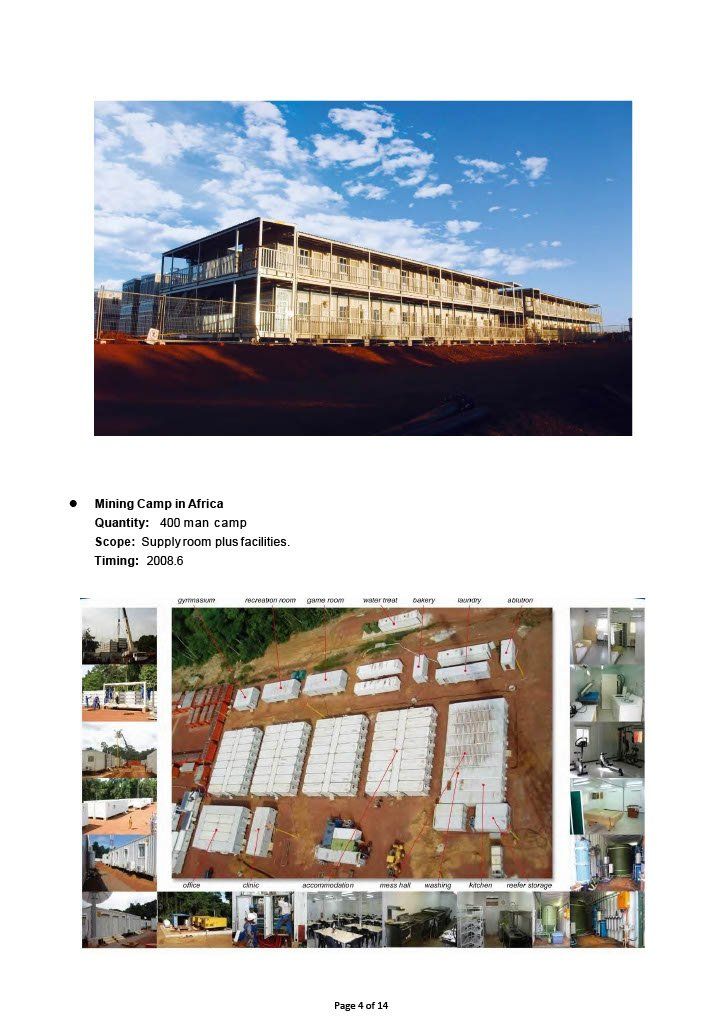
Other building designs including encompassing mess halls, commercial kitchens, laundries and ablution blocks can also be encompassed. These can be incorporated into overall camp or institution designs which in turn can incorporate water/waste water treatment systems, solar systems and all aspects required to provide a fully functioning remote or localized establishment.


Email for more info.

info@containerhomes.net.au This e-mail address is being protected from spambots. You need JavaScript enabled to view it


Shipping container architecture

Shipping container architecture is a form of architecture using steel intermodal containers (shipping containers) as structural element, because of their inherent strength, wide availability and relatively low cost.

Advantages

Strength and durability

Shipping containers are in many ways an ideal building material. They are designed to carry heavy loads and support heavy loads when they are stacked in high columns. They are also designed to resist harsh environments - they are transported globally on ocean going vessels or can be covered in road salt when transported on roads.

Modular

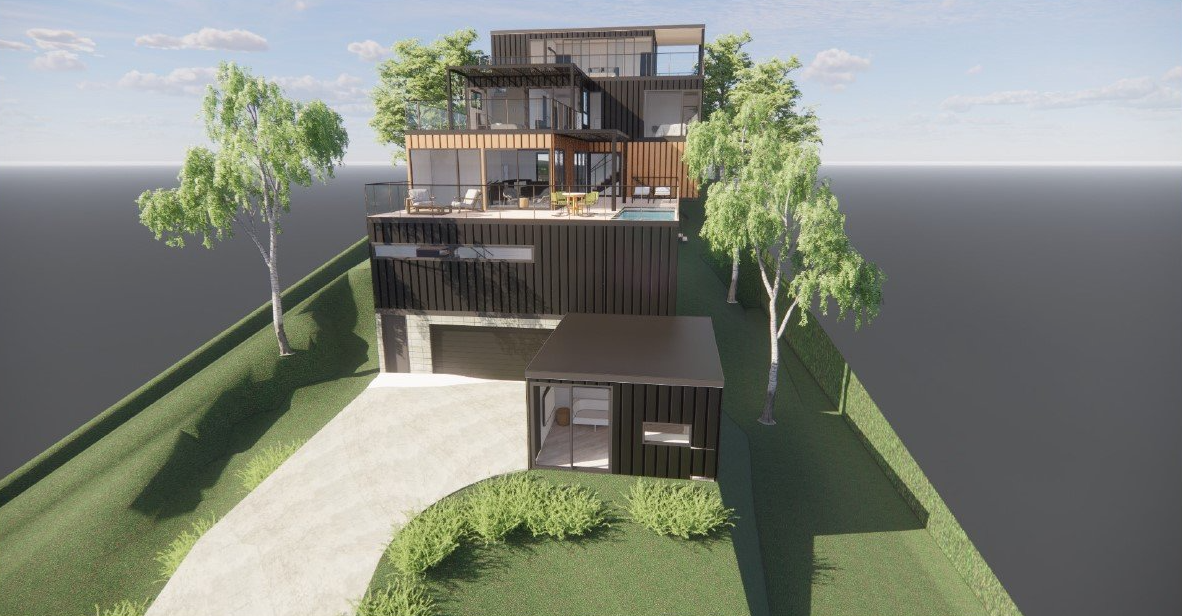
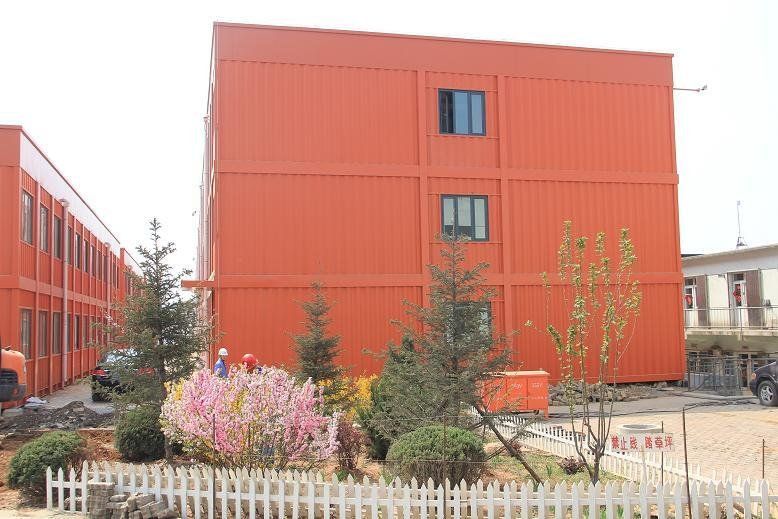
All shipping containers are made to the same standard measurements and as such they provide modular elements that can be combined into larger structures. This simplifies design, planning and transport. As they are already designed to interlock for ease of mobility during transportation, structural construction is completed by simply emplacing them. Due to the containers' modular design additional construction is as easy as stacking more containers. They can be stacked up to 12 high when empty.

Advantages Continued

Transport

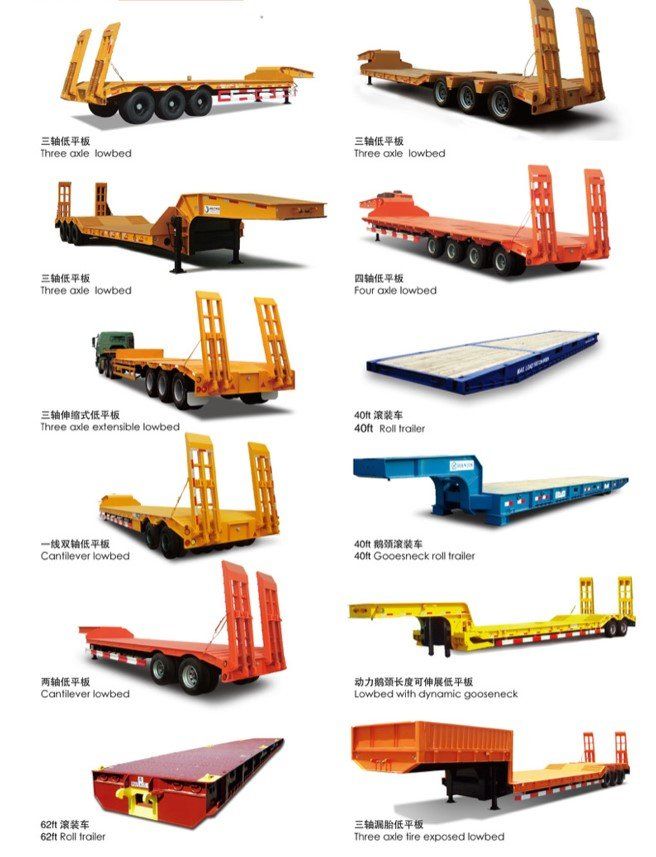
Pre-fabricated modules can also be easily transported by ship, truck or rail, because they already conform to standard shipping sizes.

Availability

Used shipping containers are available across the globe. In cases where a company or country receives more containers than it can use to ship in the return directions these containers have no real use, since it is not cost effective to return empty containers to their origin.

Cost

Many used containers are available at a cost that is low compared to a finished structure built by other labor-intensive means such as bricks and mortar — which also require larger more expensive foundations.