
Sealed in steal and safe as houses, or come to think of it safer than houses.
The Country Life
After a lifetime of teaching, retiring to the beautiful Flinders Ranges was my idea of heaven I bought a quaint stone cottage, in need of a few repairs on a few acres and started developing my Shangri-La. Planting fruit trees, grape vines, herbs vegetables and an ornamental garden was great, the soil was fertile and everything grew. Harvesting the food I ate was a buzz. This area in South Australia is a low rainfall area, and South Australia is the driest state in Australia, which just happens to be the driest habitable continent on Earth. So why was everything looking so good, there was dry grass where normally it was dry earth and green grass where normally it was dry, the weeds were thriving but so was my garden. It was great, and I observed with academic interest the way the hawks and other predatory birds would swoop down snatch a mouse from the paddock and hurry back to their nest and after a few weeks would be back teaching their young how to hunt. At that time however I was ignorant of the life cycle of the local native mice, and so I pottered away in blissful ignorance.
The local field mice had adapted over the millennia to their harsh conditions so only went into a breeding cycle after rain so in a drought few mouse problems. We had enjoyed a wet year and the mice bred, the young produced would become sexually mature after only a matter of weeks, and if it rained could breed. So numbers could and did escalate pretty fast. It went from plenty of food for the birds of prey to too many for them to control. The cats and the Sleepy Lizards were fat and so well fed that the mice could run over them in safety. The mice never came to live in the house but would descend upon it as a ravenous hoard devouring all in its path, then steal quietly back to their nests and sleep content with the contents of my pantry in their round little tummies.
Something had to be done! After several highly creative but unsuccessful solutions the problem was finally solved. From time to time people give away a thing they no longer need and that is how I gained a nice clean upright freezer that no longer worked and a small fridge in similar condition. They were ideal pantry cupboards. My food was safe, “Sealed in steel and safe as houses.” as the canning industry had proudly proclaimed a few years ago, and when considering my house considerably safer.
My problems seemed solved everything was stored in the top cupboards other than food which was stored in the old fridge and freezer, but the mice were still around. Every so often there was a horrible squeaking and squealing as a sleepy lizard caught and ate one. Yes, the sleepy lizards were still coming in hunting them. Several friends warned me about snakes saying, “If a sleepy can get in a snake certainly can.” but I hadn’t seen a snake since moving here so wasn’t at all concerned despite the fact that the council was doing major works on the old railway dam and displacing a number of the residents, my fish pond had frogs for the first time ever.
Then the mice disappeared, I saw them running around in the paddocks and the garden but virtually none in the house. I continued on in blissful ignorance believing I and I alone had rid my house of mice. That is until one day I came home to a nasty surprise.
As I approached the front door I could see a slight movement behind the fly wire of the screen door, which I dismissed as a shadow but as we approached my dog Muppet was barking and snarling with all the ferocity that a geriatric one toothed fluff ball can muster so I was a little more cautious than I would otherwise have been. Holding the writhing snarling Muppet under one arm I carefully opened the door and moved back keeping the door between me and the shadow which suddenly materialised into a brown snake, which leisurely slid across the veranda. The snakes head crossed the line grooved into the concrete when the veranda had been laid over a hundred years before. I peeped around the screen door. The snake was sliding out from under the front door via that depression made in all old doorsteps by the generations that have passed through there. I glanced back at the snakes head; it was still moving away and had passed a second line but I knew if it felt threatened it could attack me in a fraction of a second.
I stood still clutching Muppets muzzle, so that her noise and movement wouldn’t spark an attack as the head crossed a third line and finally the end of the tail slid out from under the door. The snake slid off the veranda and into the garden, disappearing among the geranium and daisy bushes. The snake had to be at least eight feet long!! My head was pounding. I was shaking all over. I felt sick. I ran back to the car still clutching Muppet and sat there shaking in mortal terror.
My daughter had on a number of occasions referred to the poor standard of the cottage, and had found plans for various small transportable houses that I could get to, as she put it, have somewhere safe to eat and sleep. I had dismissed all these ideas including a converted container house which I saw as a third world option. The container home now started to develop some appeal, I’d like to see the mouse that could gnaw its way through heavy steel and double glazing, to let in snakes. I looked it up on the internet; didn’t look to bad, and the price was in my almost manageable range. Got a quote a quote from Samuel at container homes designer domain then checked around again it definitely seemed value for money. So I placed an order, my first internet purchase. Several friends said “Why a house? Why not start with something small like a book?” It was hard actually parting with the money and I very nearly backed out at the last minute but was reminded of my long skinny visitor and asked wether it needed to bite me next time for me to see sense so I paid up and waited for the delivery.
The site had a large dilapidated shed full of rubbish covering it, so that had to be prepared. I started work sorting stuff and taking some to the dump and some to the scrap metal dealers, but was making little progress until a friend and my daughter and her husband came to the rescue, and the job was completed and was ready for my container home. I did have to put up with some good natured comments about the snake and its claimed length until it put in an appearance and from then on it was claimed I had understated rather than over stating its size. This wasn’t a real comfort. I was starting to count off the days to my containers arrival.
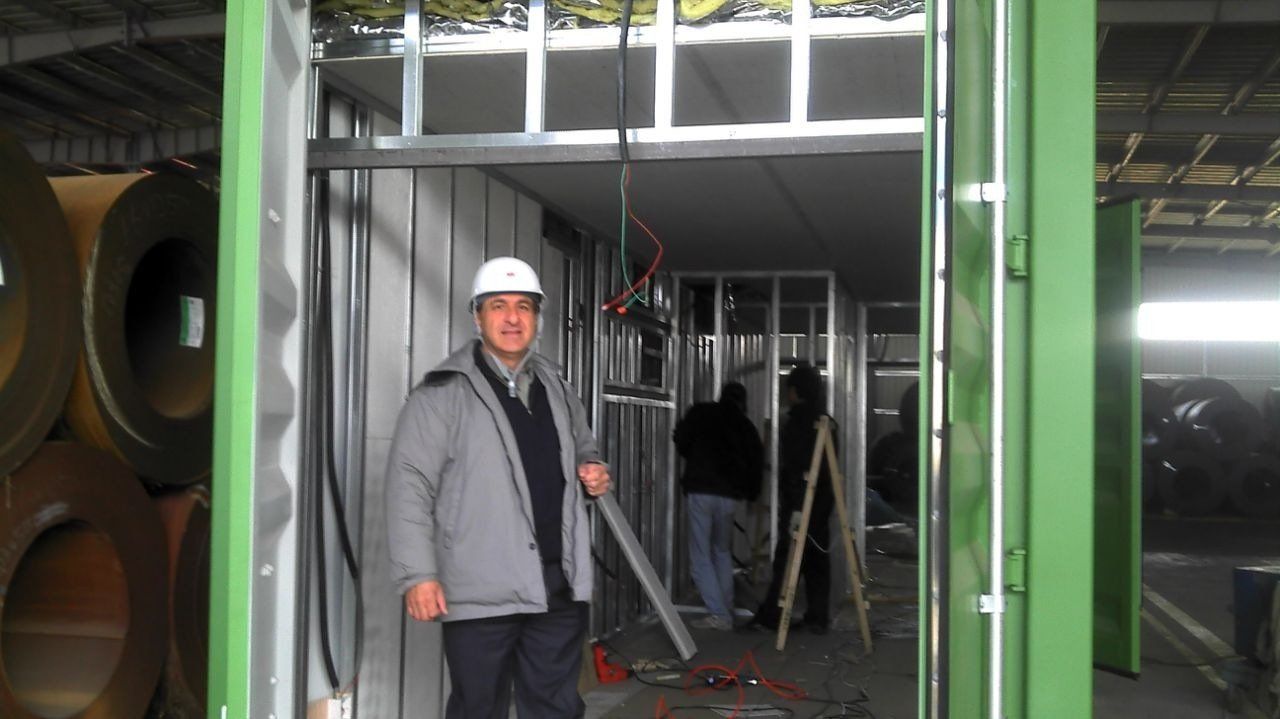
While it was being built Samuel had sent some pictures and it looked OK but when it arrived I was stunned. It was great and far exceeded my expectations. It is really comfortable. There is a compact easy to work in kitchen, and a neat bathroom with a shower, hand basin, a toilet with a soft close lid, exhaust fan/light and a nice big mirror. From the lounge I can see the township of Orroroo and the hills to the West. Each morning I am woken by the Sun as it rises over Black Rock, the highest hill in the range to the East. If I am awake at night I can stare out through the double glazed sliding doors at the black night sky and the millions of stars, and know that this is most definitely not third world, its heaven, or pretty close to it. I sleep peacefully each night sealed in steal and safe as houses, or come to think of it safer than houses.
Jacquie von der Borch
Flinders Rangers Orroroo
More Blog Articles

Read real CHDD client testimonials about modular homes, remote deliveries, commercial buildings, custom designs and repeat projects across Australia
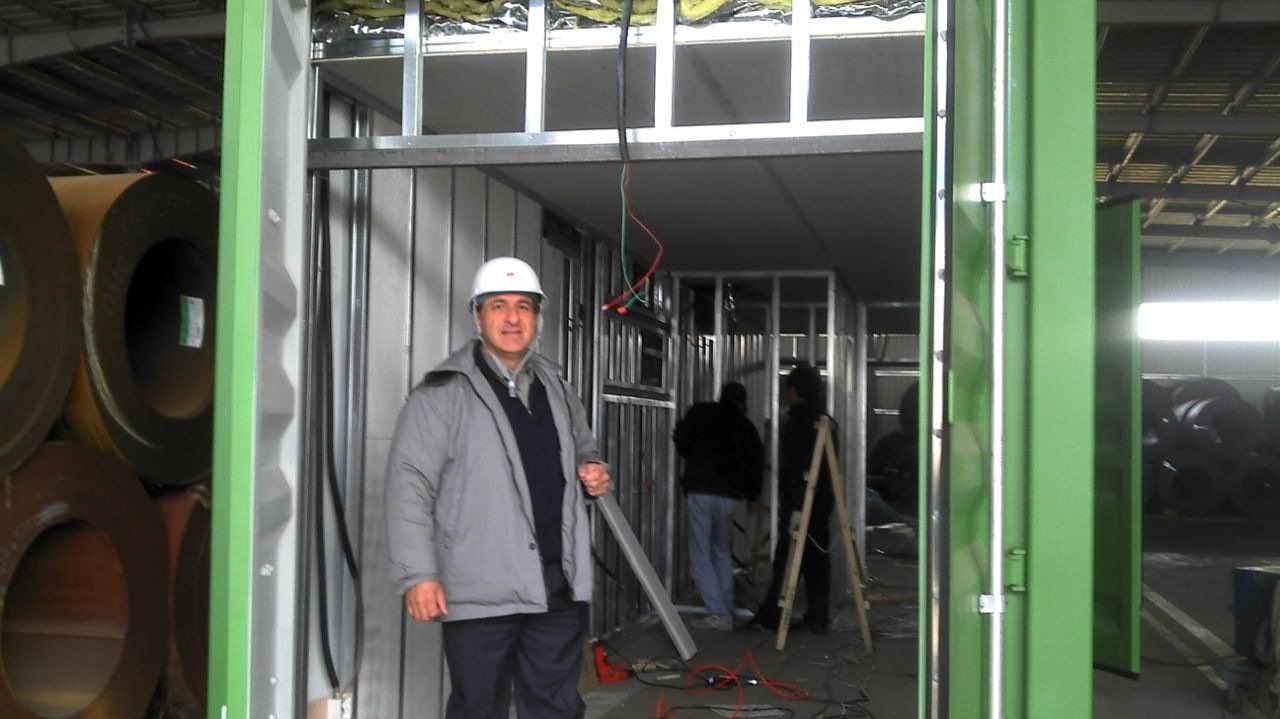
Nearly 16 years after CHDD supplied this modular project, an independent YouTube presentation has brought one of our earliest homes back into the spotlight.
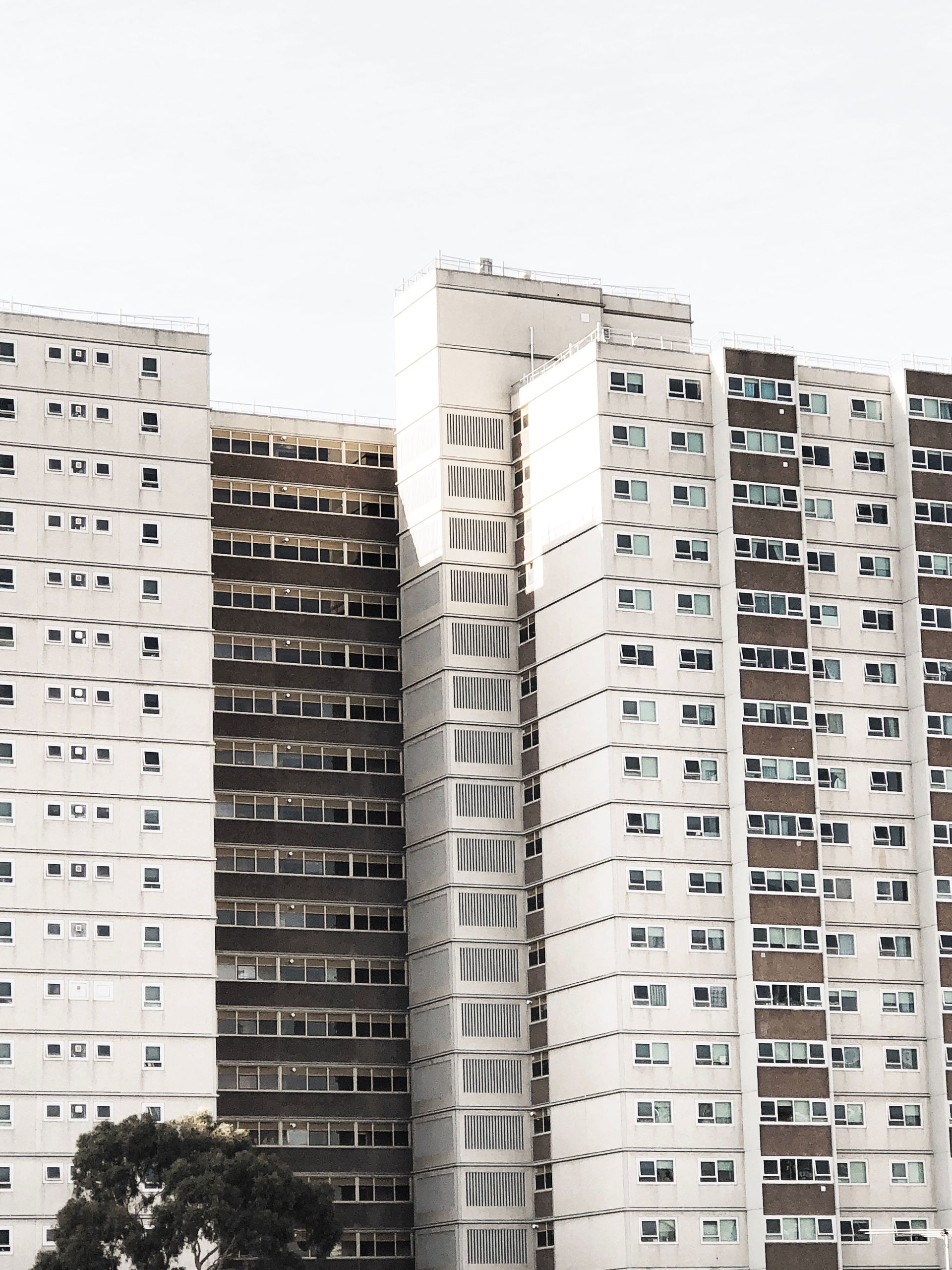
Worker Accommodation, Mining Camps, Site Offices & Custom Modular Solutions