Yes —
modular containers are very suitable for commercial buildings, especially when they are
purpose-built, engineered and fitted out for the intended use.
For Container Homes, the strongest commercial uses include:
- Site offices
- Command centres and control rooms
- Warehouses and storage buildings
- Worker accommodation
- Lunchrooms and staff amenities
- Public toilets and ablution blocks
- Pop-up shops and mobile food outlets
- Classrooms and training rooms
- Remote project facilities
- Mining, civil, infrastructure and industrial site buildings
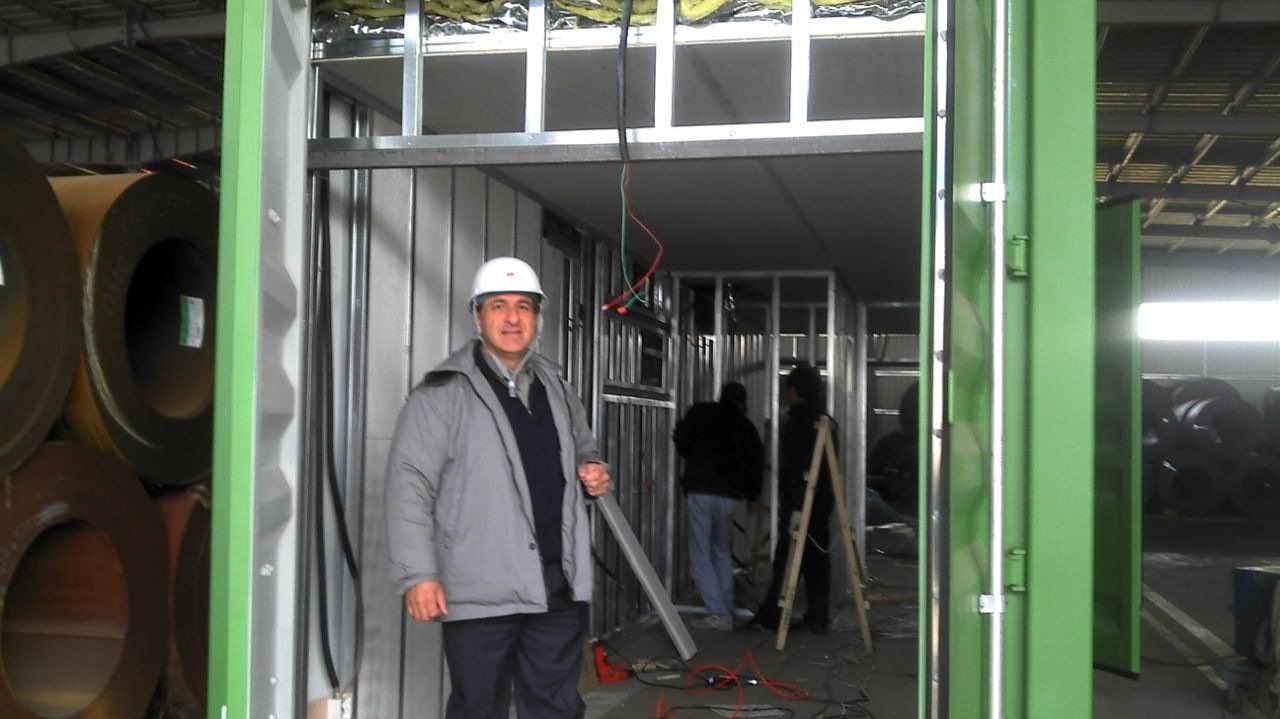
Container Homes is engaged in the
design, manufacture and supply of modular prefabricated structures, and the Newpave/Roadtek project was specifically for
modular command-centre units.
They are suitable because commercial clients usually need buildings that are:
Fast to deploy — your premium quote compares Container Homes manufacturing time at 6–10 weeks, compared with typical building time of 6–12 months.
Strong and durable — your specifications include LGS structural frame, galvanised steel components, AAC/Hebel wall panels, Colorbond roofing, insulation, double-glazed aluminium windows and doors.
Flexible — your website already has product categories for commercial trailers, containerized integration, flat-pack buildings, mobile food and pop-up shops, public toilets, remote work camps and steel construction.
Cost controlled — modular buildings can be quoted as a defined supply package, while traditional building costs often move due to labour, weather, site delays and variations. Your quotation highlights “fixed supply cost” compared with typical variable builder costs.
Yes, modular container buildings are highly suitable for commercial use. They can be designed as offices, warehouses, command centres, classrooms, public amenities, worker accommodation, retail spaces and industrial site facilities. Because they are manufactured off-site using engineered steel systems, they can often be delivered faster, with less disruption and better cost control than many traditional building methods.
An important disclaimer is that each project still needs to satisfy council approval, site access, engineering, fire safety, accessibility, services, certification and intended-use requirements.
For commercial projects, the design should be planned around the business use from the beginning, not treated like a simple converted shipping container.
More Blog Articles