By Samuel Halsa
•
November 2, 2026
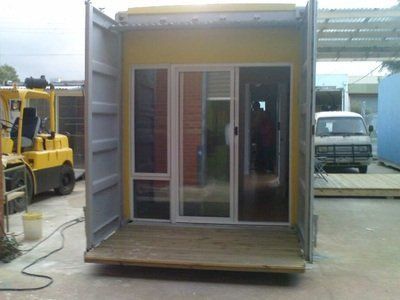
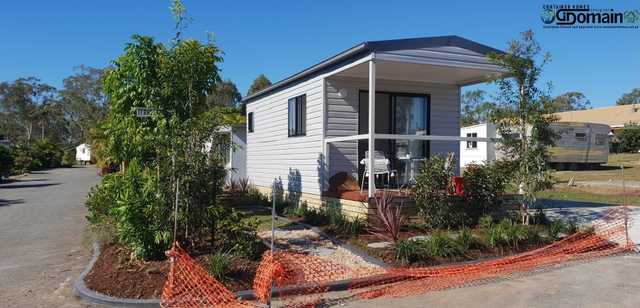
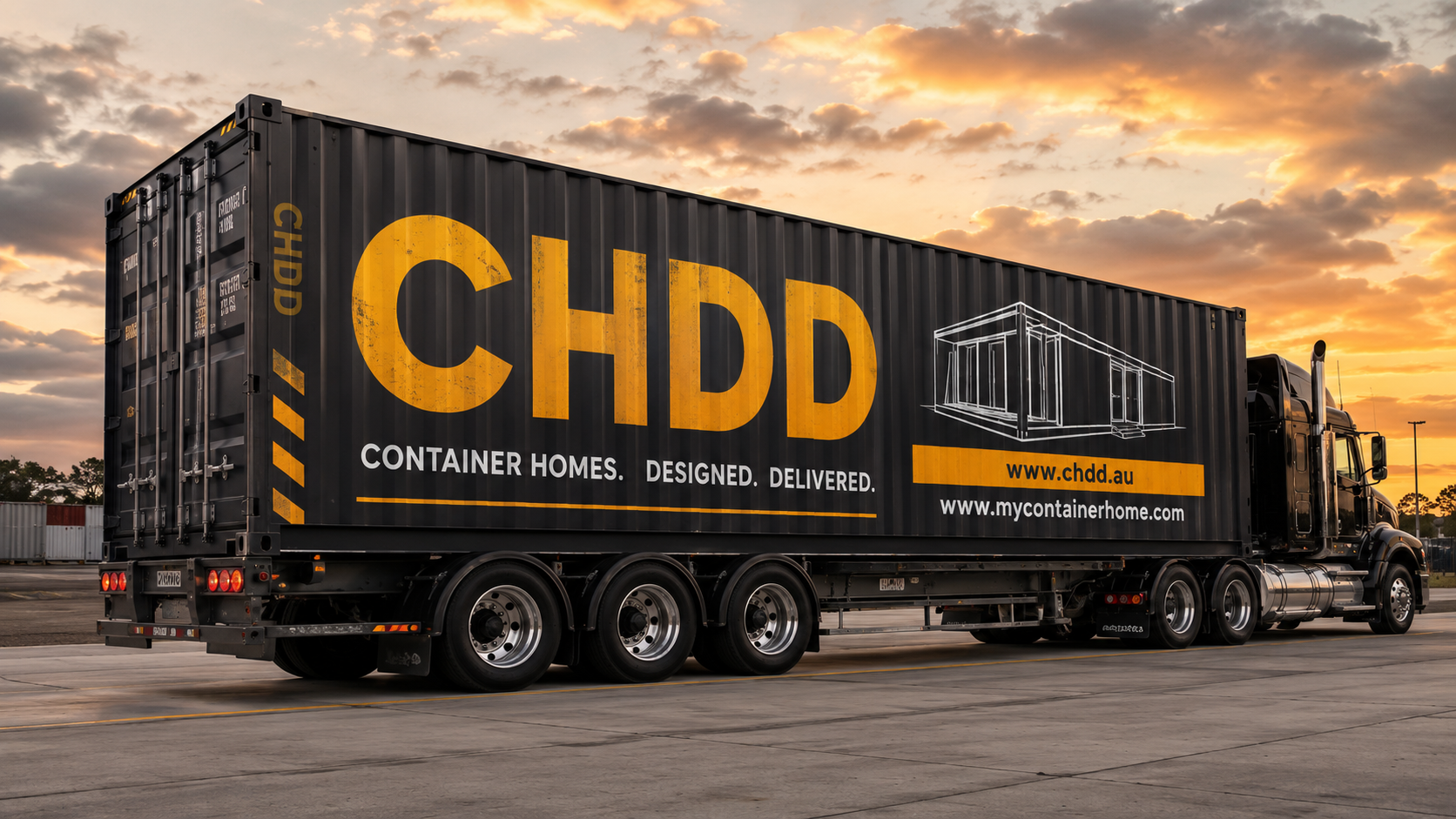
Downsizing Without Compromising Your Lifestyle Australia's Housing Crisis Is Changing the Way We Live — and Smarter Housing Could Be the Answer By Container Homes Designer Domain Pty Ltd | November 2026 What if the answer to Australia's housing affordability crisis isn't earning more money, but making better use of the space and property we already have? For millions of Australians, the dream of owning a comfortable home is becoming increasingly difficult. Rising property prices, higher mortgage repayments, escalating living expenses and the ongoing cost of maintaining a large family home are putting enormous financial pressure on households. But perhaps it's time we started thinking differently. At Container Homes Designer Domain (CHDD) , we believe that downsizing doesn't mean downgrading. In fact, a smaller, intelligently designed home can deliver everything you need for comfortable modern living — while potentially providing greater financial freedom. And for homeowners who aren't ready to downsize, there's another opportunity sitting right in their own backyard. Australia's Housing Affordability Challenge The numbers tell a confronting story. According to the Australian Bureau of Statistics, the average value of a residential dwelling in Australia was approximately $1.10 million in June 2026 , with the New South Wales average reaching approximately $1.30 million . Meanwhile, the Reserve Bank of Australia's cash rate reached 4.60% in September 2026 , adding further pressure to borrowers as lenders adjust mortgage rates. For a family with a large mortgage, even a modest interest-rate increase can mean hundreds of dollars in additional monthly repayments. And mortgage repayments are only part of the problem. Council rates, insurance, electricity, maintenance and general household expenses continue to consume a growing proportion of family incomes. The question many Australians are now asking is simple: Are we working to enjoy our homes, or simply working to pay for them? 1. Downsizing: Less Space, More Life For decades, Australians have been encouraged to build bigger homes with more bedrooms, larger living areas and additional rooms that may rarely be used. But larger doesn't necessarily mean better. Imagine replacing an ageing, expensive-to-maintain family home with a beautifully designed, modern two-bedroom modular residence. You could still enjoy: Spacious, open-plan living and dining areas A modern kitchen with quality appliances Comfortable bedrooms and stylish bathrooms Double-glazed windows and energy-efficient design Integrated outdoor entertaining areas Contemporary finishes and practical storage The difference is that you're paying for the space you actually use, rather than maintaining rooms you no longer need. For retirees, empty nesters, couples and smaller families, downsizing may offer the opportunity to release equity from an existing property, reduce borrowing and enjoy a simpler, more financially manageable lifestyle. The real luxury isn't having the biggest house in the street. It's having a home you can comfortably afford while enjoying the life you want to live. 2. Your Backyard Could Become a Second Income Not everyone wants to sell their family home. Perhaps you've lived there for 20 or 30 years. Your children grew up there, your friends live nearby, and you have no intention of leaving. But imagine if part of your backyard could help pay the mortgage. A well-designed granny flat or secondary dwelling can create an entirely new opportunity without requiring you to purchase another block of land. Depending on council requirements, property suitability and local rental demand, a detached one- or two-bedroom modular dwelling could be used for: Additional rental income: Rent the secondary dwelling to suitable tenants and potentially offset part of your mortgage or household expenses. Accommodation for adult children: Give younger family members an affordable opportunity to establish independence while remaining close to home. Independent living for elderly parents: Keep family nearby while providing privacy, comfort and independence. Future retirement flexibility: Consider occupying the smaller dwelling yourself and potentially renting the main residence, subject to applicable approvals and financial advice. Instead of treating your backyard as unused land, consider whether it could become a productive asset. 3. What Could a Granny Flat Earn? Let's consider a simple example. Imagine a homeowner builds a self-contained modular granny flat and achieves rental income of $500 per week. Potential rental incomeAmountWeekly rental$500Monthly average$2,167Annual gross rental income$26,000Five-year gross rental income$130,000Ten-year gross rental income$260,000 That's potentially $260,000 over ten years from an area of land that may otherwise remain unused. These figures are illustrative, not guaranteed rental returns. They exclude construction and finance costs, vacancies, property management, insurance, maintenance, tax and other expenses. Actual rent will depend on location, design and market conditions. Nevertheless, the opportunity is worth exploring. For some households, additional rental income could make a meaningful difference to mortgage affordability and long-term financial security. 4. Why Modular Construction Makes Sense Traditional building methods can involve lengthy construction programs, multiple trades, unpredictable weather and substantial disruption to the household. Modern modular construction offers a different approach. At Container Homes Designer Domain , we specialise in purpose-built, steel-framed modular buildings designed around contemporary Australian living requirements. Our homes are not simply old shipping containers converted into accommodation. They are purpose-manufactured building systems that can be configured with modern kitchens, bathrooms, insulation, glazing and finishes to suit the project. Key advantages may include: Smarter use of space: Practical floor plans designed to maximise comfort Off-site manufacturing: Much of the construction work can take place in a controlled factory environment Flexible configurations: Studio, one-bedroom, two-bedroom and larger designs Modern specifications: Options for double glazing, insulation and contemporary interiors Greater cost visibility: Defined designs and specifications can assist with budgeting Reduced on-site disruption: Depending on the project and installation requirements Every home is designed around the customer's needs, site conditions and applicable building requirements. 5. Quality of Life Should Never Be Sacrificed One of the biggest misconceptions about downsizing is that you must sacrifice comfort. We disagree. A carefully designed 40–60 square metre home can provide an enjoyable living environment for a couple or small household. The secret is thoughtful design. Natural light, intelligent storage, functional kitchens, comfortable bathrooms, quality insulation and indoor-outdoor connections can make a smaller dwelling feel remarkably spacious. You don't necessarily need five bedrooms, three living rooms and a huge mortgage to enjoy a high standard of living. You need a well-designed home that works for the way you actually live. 6. Building a Better Financial Future For Australians facing rising mortgage repayments, there are several questions worth considering. Could selling a large family home and moving into a smaller modular dwelling reduce your financial commitments? Could a secondary dwelling provide additional rental income? Could a backyard home help your children enter the housing market without taking on excessive debt? Could a more manageable home allow you to retire earlier, travel more or spend additional time with family? These are not just building decisions. They are lifestyle and financial decisions that may influence your quality of life for decades. Of course, the right solution depends on your circumstances, including your property, planning approvals, financing, taxation and future needs. 7. CHDD — Helping Australians Think Differently About Housing Container Homes Designer Domain Pty Ltd has been operating since 2011, developing modular building solutions for Australian residential and commercial applications. We believe the future of housing must be more practical, adaptable and affordable. Whether you're considering downsizing, adding a granny flat, creating accommodation for family members or building an investment property, we can help explore a modular design to suit your needs and budget. Our objective is straightforward: To help Australians enjoy better housing choices without unnecessary financial pressure. All projects remain subject to site suitability, planning approval, engineering, relevant building standards and agreed specifications. Your Land. Your Lifestyle. Your Opportunity. Australia's housing challenges won't disappear overnight. But homeowners don't necessarily need to wait for property prices or interest rates to fall before exploring alternatives. Sometimes the smartest financial decision isn't buying a bigger home. It's making better use of the home — and the land — you already own. Downsize your home, not your lifestyle. Or transform your backyard into an opportunity for additional income. Talk to Container Homes Designer Domain Explore our modular homes, granny flat designs and customised living solutions. Container Homes Designer Domain Pty Ltd Phone: 0434 191 600 Email: info@containerhomes.net.au Website: www.containerhomes.net.au Contact us today to discuss a home that could change the way you live.