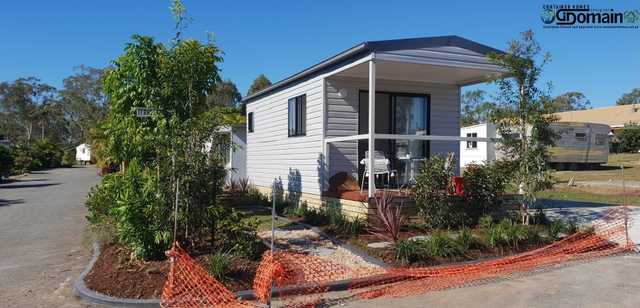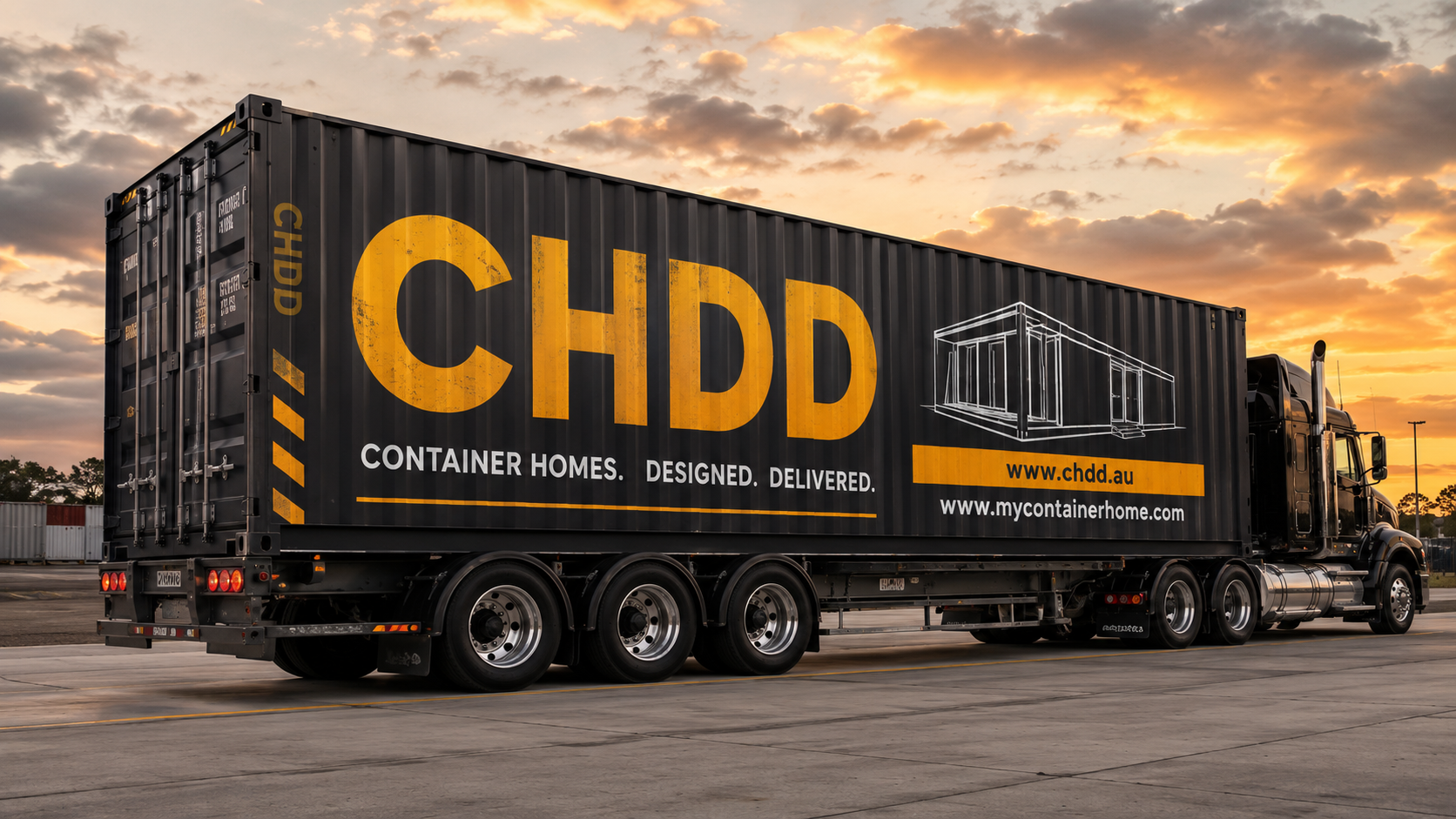
"Container homes ≠ cargo containers. CHDD = engineered wider shells built for human habitat. Zero toxic risk. Double-glazed. PU-insulated. BAL-rated. Wider than standard."
## Width: The Difference Between Cramped and Livable
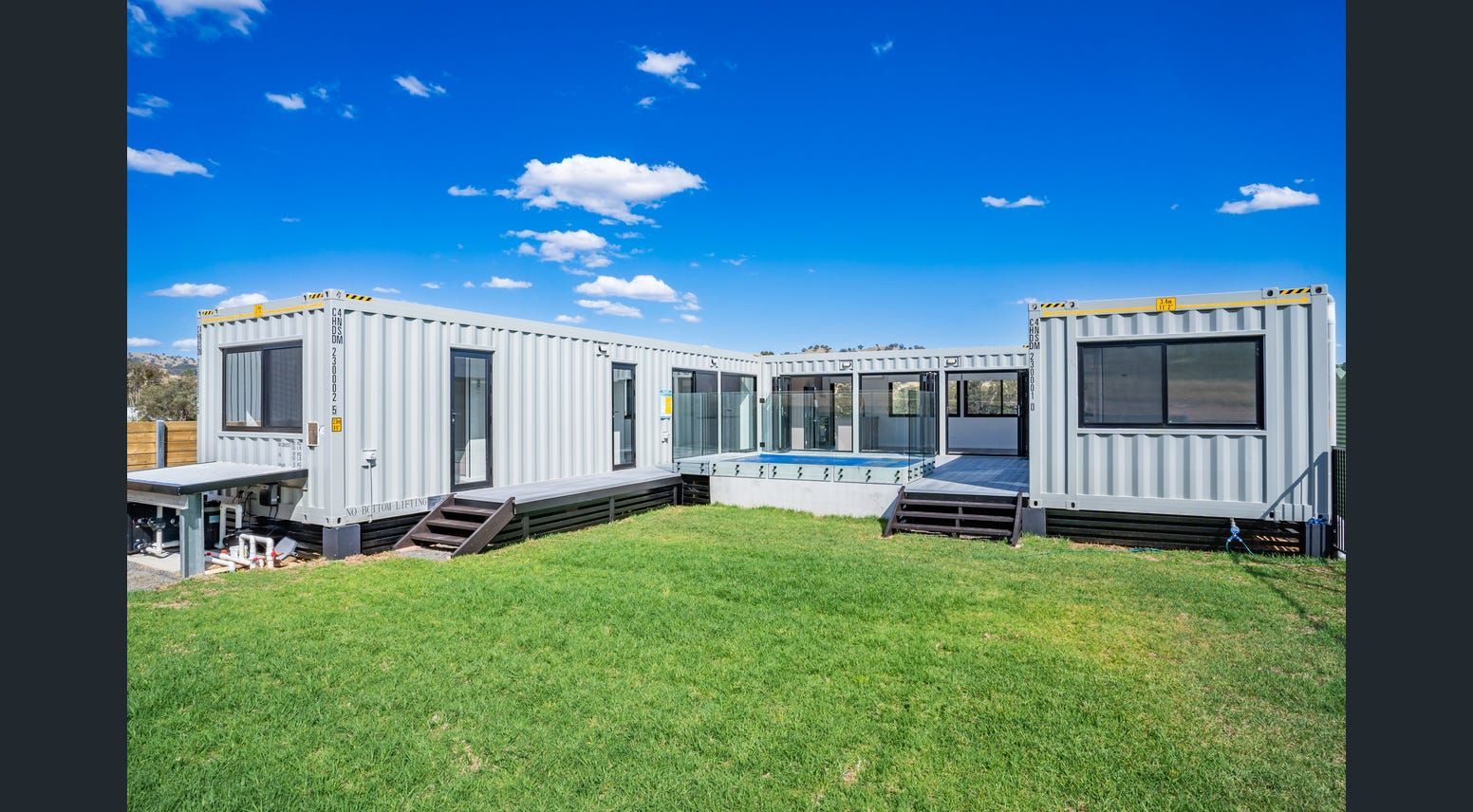
# Container Homes vs. Purpose-Built Modular Homes: What's the Real Difference?
When most people search for "container homes," they picture a corrugated steel box — 2.4 metres wide, once used to haul cargo across oceans, now converted into a living space. That image is outdated, and at Container Homes Designer Domain (CHDD), we built our entire company around changing it.
We don't convert shipping containers. We engineer purpose-built modular shells specifically designed for human habitation. Here's what that actually means when you're comparing options.
## Width: The Difference Between Cramped and Livable
A standard shipping container is 2.4 metres wide. That's the width of a narrow hallway — not a room. Furniture placement becomes a puzzle. Two people can't comfortably pass each other in a kitchen. Beds sit flush against walls.
CHDD modules are engineered wider than standard containers. This isn't a minor upgrade. Wider modules mean:
- Real furniture layouts that work, not compromises
- Genuine walkways between beds, benches, and appliances
- Natural light that reaches deeper into rooms
- A sense of space that feels like a home, not a transport crate
## Construction: Cargo Box vs. Engineered Shell
Repurposed containers were built to stack 8-high on a ship and survive saltwater. They were never designed for insulation, condensation control, or thermal comfort.
CHDD shells are engineered from the ground up for Australian living conditions:
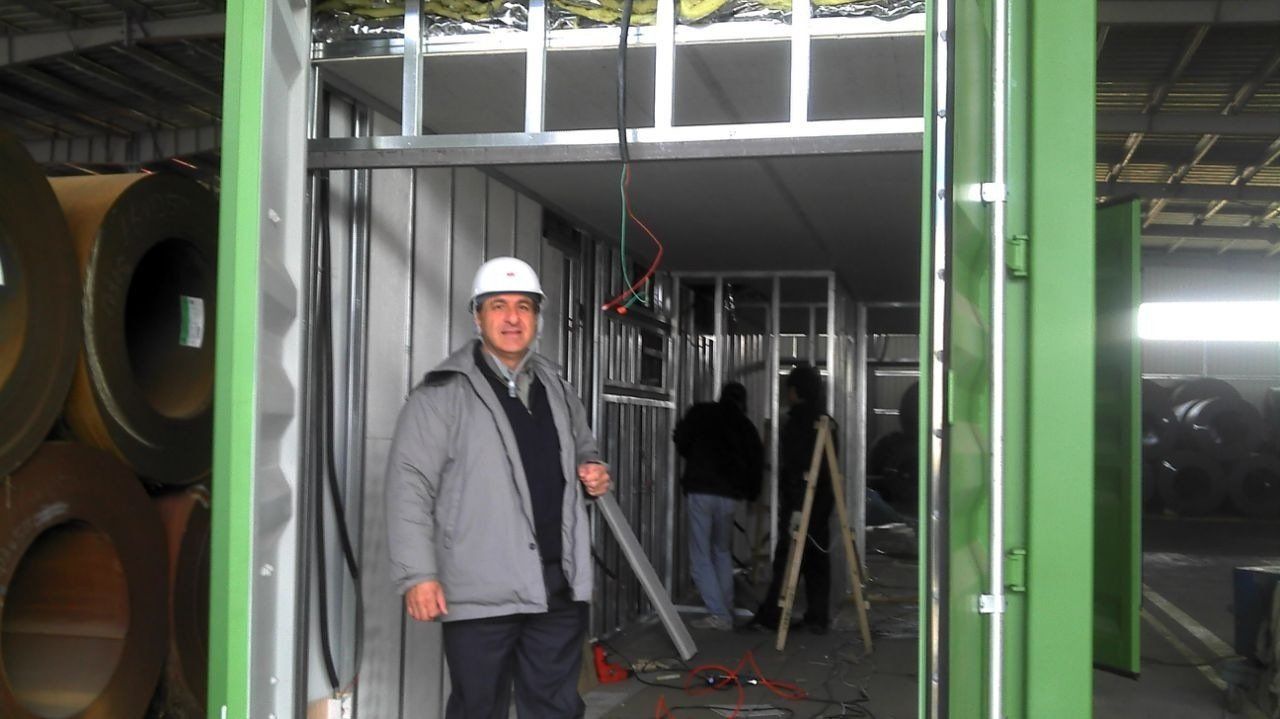
- **PU spray foam insulation on all metal walls** — stops condensation and blocks heat transfer year-round
- **Compressed cement board floors with PU insulation underneath** — no cold floor in winter, no hot floor in summer
- **All windows double-glazed as standard** — not an upgrade, not an option, just how we build
## Roof Design: Integrated vs. Bolted-On
Most container homes have flat or slightly modified roofs. Rainwater management means separate tanks, external gutters, and additional site costs.
CHDD units feature integrated roof fall with box gutters built into the engineering. Water goes where it should without extra infrastructure eating into your budget.
## Safety: The Toxic Question Nobody Talks About
Shipping containers carry everything — chemicals, pesticides, radioactive materials, animal products. Even "new one-use" containers use industrial coatings treated with harmful biocides. Cutting into them releases toxic fumes. Living inside them means breathing off-gassing for years.
CHDD shells have never been anywhere but a factory. No cargo history. No chemical residue. No guesswork. Just clean, engineered steel built for people to live in.
## Compliance: Certified, Not Hopeful
CHDD buildings are fully certified to Australian Standards:
- BAL 29, 40, and FZ bushfire ratings
- AS 1170 wind loading certification
- NCC/BCA compliant construction
- SAA-certified electrical installations
Many imported container conversions arrive with CE marks or no certification at all, leaving buyers to figure out compliance themselves.
## The Bottom Line
If you want a cheap metal box to store tools, a repurposed container might work. If you want a genuine home — wider, warmer, safer, and built to last — you need a purpose-built engineered shell.
That's what CHDD builds. Every single time.
[Explore Our Range] | [Visit Our Display Centre] | [Talk to Our Team]
More Blog Articles