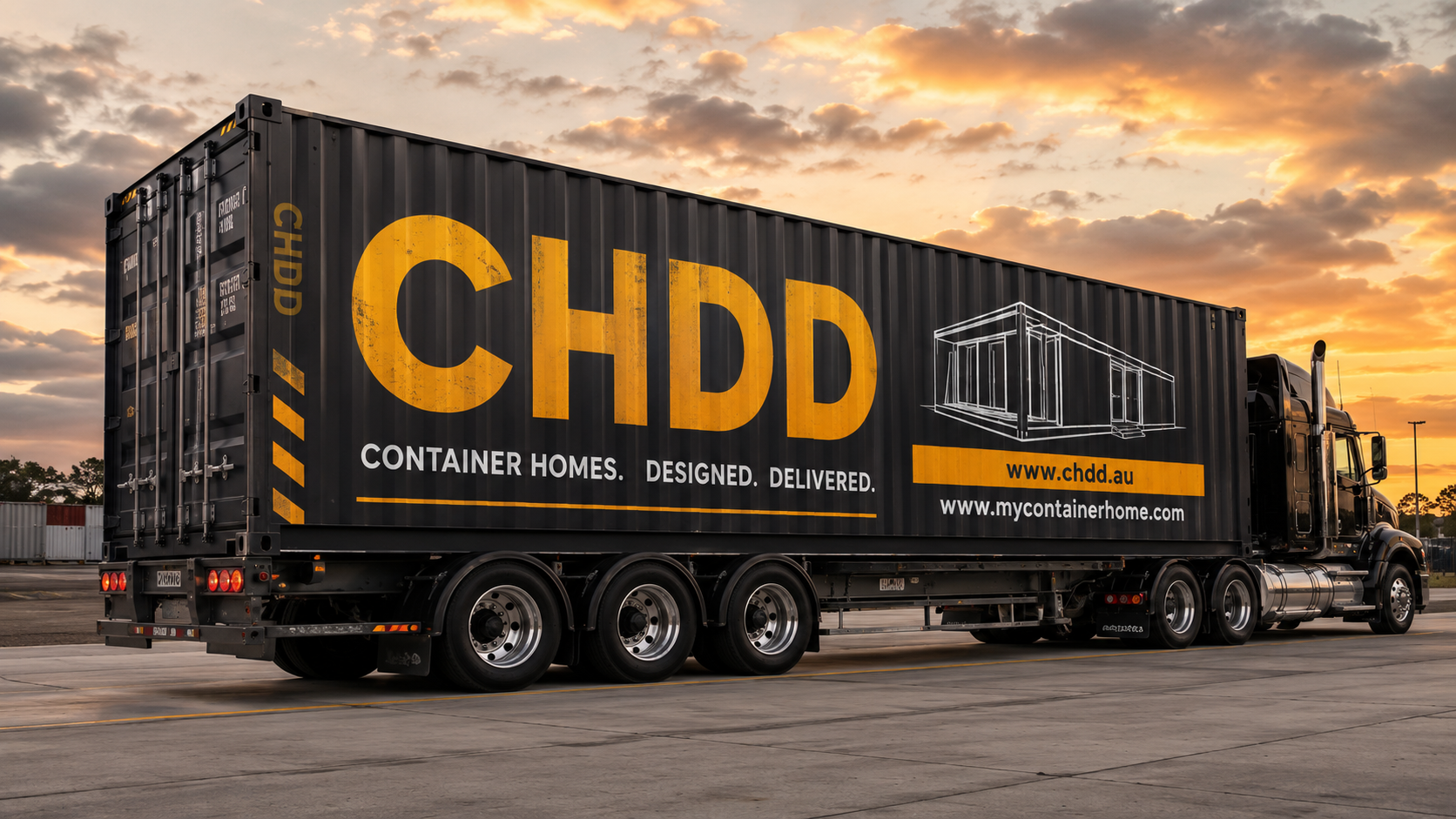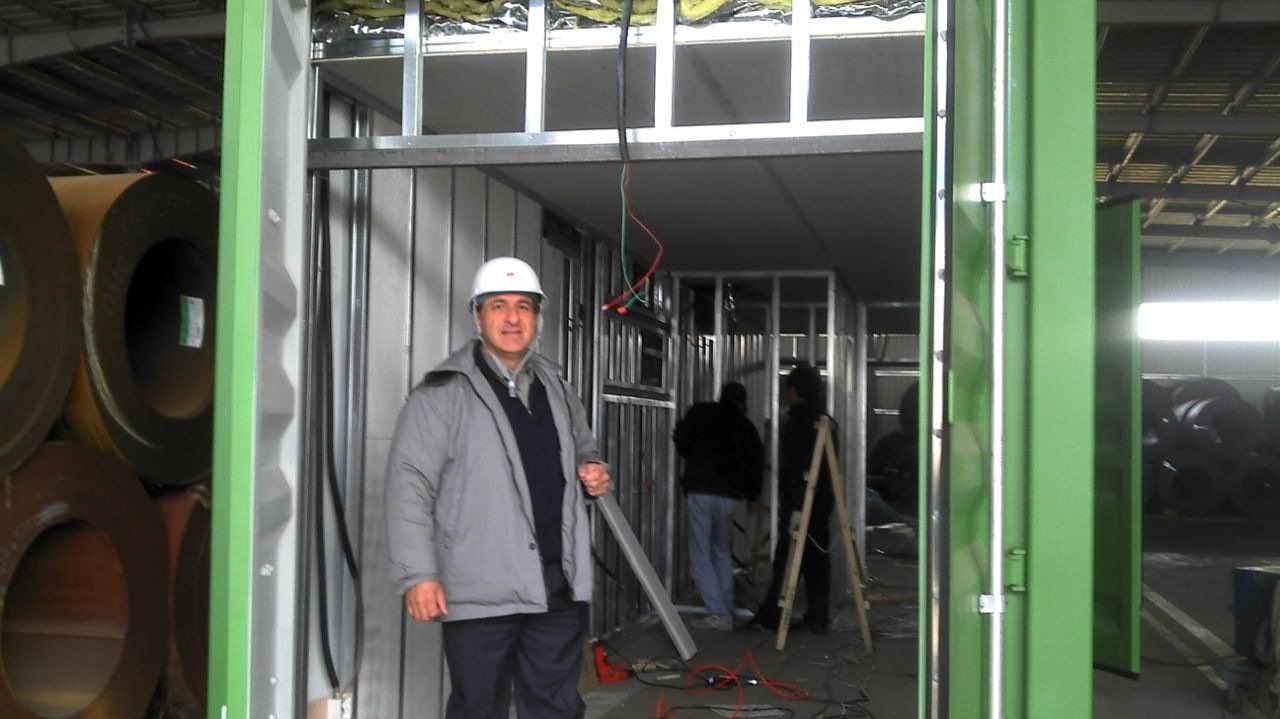
Basic modular space $12,000 Office, studio, storage, site space, simple room
One of the most common questions people ask is:
“What is the cheapest container home I can buy?”
At Container Homes, we understand that not every client needs a large luxury modular home. Some people need a simple space, a backyard room, a site office, a temporary unit, a small accommodation pod, a farm stay cabin, a granny flat option, or an affordable expandable home that can grow into a comfortable living space.
That is why we offer different price levels depending on the size, design, inclusions, transport, site requirements and whether the unit is fixed or expandable.
As a guide, we can supply basic modular spaces from around $12,000, with expandable container home options starting from around $29,000, and larger expandable homes ranging upward to around $65,000 for a 1–4 bedroom expandable home, depending on the final design and inclusions.
Explore our custom modular container homes and buildings to see the different options available.
Cheapest Option: Modular Space from Around $12,000
For clients looking for the most affordable entry point, a basic modular space can start from around $12,000.
This type of unit may suit:
- Backyard workspace
- Site office
- Storage room
- Small studio
- Farm utility room
- Temporary accommodation support
- Guard room
- Pop-up business space
- Simple extra room
- Project site use
This is usually the cheapest way to enter modular construction because the unit is simpler and does not require the same level of full residential fit-out as a complete home.
A basic space is ideal for people who need a strong, practical building but do not need a full kitchen, bathroom, multiple bedrooms or luxury finishes.
Expandable Container Homes from Around $29,000
For people who want more usable living space, an expandable container home can be a very affordable option.
Expandable units are designed to fold or open out, creating more internal floor area after delivery. This allows the unit to be transported more efficiently and then expanded on-site to create a larger usable space.
Expandable container homes can start from around $29,000, depending on the model and inclusions.
These may suit:
- Granny flat-style accommodation
- Temporary housing
- Farm accommodation
- Worker accommodation
- Airbnb cabins
- Emergency housing
- Remote community housing
- Budget housing projects
- Site accommodation
- Small family accommodation
Expandable homes are attractive because they can provide more space than a basic fixed container unit while still keeping costs lower than many traditional building methods.
1 to 4 Bedroom Expandable Homes up to Around $65,000
For larger families or investors, expandable modular homes can be designed with more bedrooms and living space.
Depending on the layout and inclusions, a 1 to 4 bedroom expandable home may range upward to around $65,000.
This can make expandable homes a practical option for:
- Family accommodation
- Regional housing
- Remote worker housing
- Rental accommodation
- Emergency housing
- Government housing programs
- Affordable housing projects
- Farm stays
- Tourism accommodation
- Secondary dwellings, subject to council approval
The final price depends on many factors, including the number of bedrooms, bathrooms, kitchen, finishes, transport distance, installation requirements, site conditions and compliance needs.
Why Expandable Homes Are So Affordable
Expandable container homes can be more affordable because they are designed for efficient manufacturing and transport.
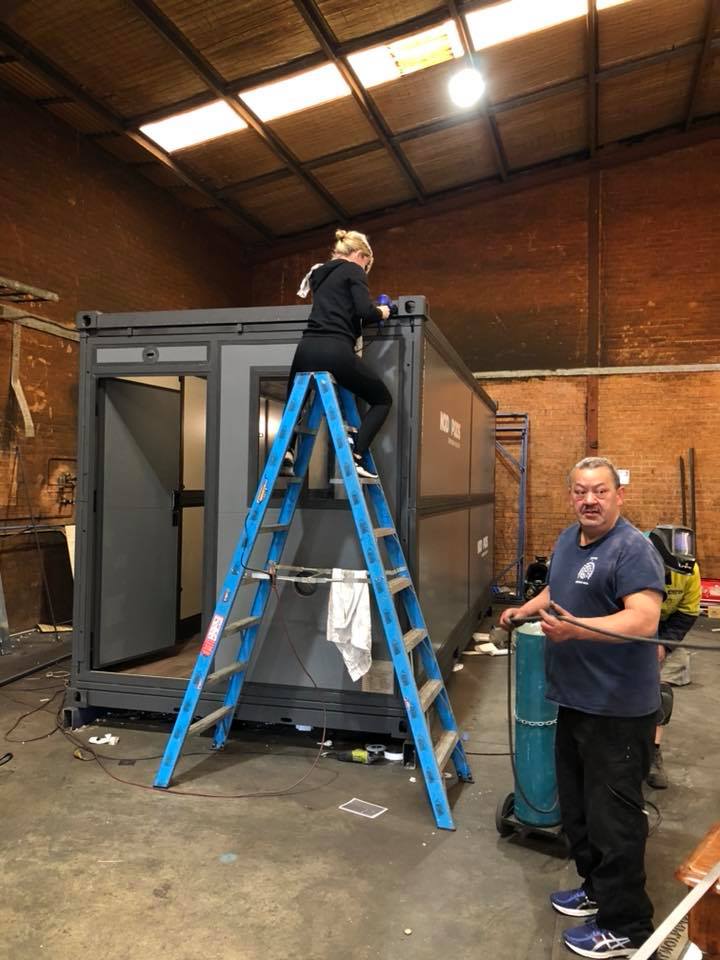
Instead of building everything slowly on-site, much of the unit can be manufactured before delivery. Once it arrives, the expandable sections can be opened and installed, reducing the amount of work required on-site.
This can help reduce:
- Long construction delays
- Weather-related site disruption
- Excessive labour requirements
- Complex site coordination
- Material waste
- Extended project management time
For clients who want a fast and affordable building solution, this can be a major advantage.
What Affects the Final Price?
The cheapest advertised price is only the starting point. The final cost depends on the project.
Important cost factors include:
- Size of the unit
- Number of bedrooms
- Bathroom and kitchen inclusions
- Electrical and plumbing requirements
- Insulation level
- Windows and doors
- Flooring and wall finishes
- Air conditioning
- Decks or verandahs
- Transport and crane access
- Site preparation
- Foundations
- Council approval
- BAL rating or bushfire requirements
- Cyclone upgrades, where required
- Off-grid systems such as solar or water tanks
Container Homes has previously described its modular system as adaptable into different design orientations, with standard and extra-wide unit options available. The company material refers to standard 2.43m x 12.2m units and extra-wide 3.4m x 12.2m units.
What Can Be Included in a Container Home?
A complete modular home can include much more than an empty shell.
Depending on the project, inclusions may include:
- Windows and doors
- Wall finishes
- Floor finishes
- Ceiling finishes
- Toilet
- Shower
- Bathroom tiles
- Kitchen cabinets
- Stone benchtop options
- Taps and accessories
- Electrical cabling
- Downlights
- Power points
- Vanity
- Hot and cold water piping
- Bedroom robes
- Walk-in robe options
- Weather-resistant external paint
Container Homes’ previous product communication listed these types of inclusions and also noted that the company does not use recycled shipping containers for its builds.
Are Cheap Container Homes Good Quality?
Cheap does not have to mean poor quality.
The key is understanding the difference between a basic modular space and a fully fitted residential home.
A $12,000 modular space is not the same as a fully completed family home. It is a low-cost starting point for people who need a simple, usable structure.
A $29,000 expandable unit provides more space and more flexibility.
A larger $65,000 expandable home can offer a more complete living solution, depending on the final layout and inclusions.
At Container Homes, the goal is to give clients practical choices instead of forcing everyone into one expensive design.
Cheapest Does Not Always Mean Best
When comparing container home prices, it is important to ask what is included.
Some cheap options may not include:
- Delivery
- Installation
- Foundations
- Council approval
- Plumbing connection
- Electrical connection
- Insulation
- Bathroom
- Kitchen
- Engineering
- Certification
- Site works
This is why clients should compare the full package, not just the starting price.
A very cheap unit can become expensive if major items are missing or if the structure is not suitable for Australian conditions.
Affordable Housing, Remote Housing and Emergency Accommodation
Affordable modular buildings can be useful for more than private homes.
They may also support:
- Government housing programs
- Remote community housing
- Disaster recovery accommodation
- Farm worker housing
- Regional rental housing
- School or hospital staff housing
- Temporary site accommodation
- Mining and infrastructure projects
- Tourism and short-stay accommodation
Container Homes has previously been approached in relation to affordable housing opportunities, including discussions involving government agencies, NGOs and community leaders seeking innovative and cost-effective housing solutions.
For larger community projects, see our modular buildings for government, schools, hospitals and remote communities.
Why Our Modular Homes Are Different
Not all container homes are the same.
At Container Homes, we focus on purpose-built modular buildings rather than simply relying on old recycled containers. Our company communication has described the system as AS-compliant with engineer certification, with upgrade options for cyclone conditions and Bush Fire BAL-40 with stainless steel fly screen.
That means clients can choose affordable modular options while still considering important performance requirements such as:
- Structural integrity
- Australian standards
- Engineering
- Bushfire upgrade options
- Cyclone upgrade options
- Weather resistance
- Long-term durability
- Custom layouts
For more details, read about our custom-designed modular container homes and buildings.
Price Guide Summary
OptionIndicative starting priceSuitable forBasic modular spaceFrom around $12,000Office, studio, storage, site space, simple roomExpandable container homeFrom around $29,000Granny flat, accommodation, small home, emergency housingLarger 1–4 bedroom expandable homeUp to around $65,000+Family accommodation, rental housing, remote housing, larger projects
Prices are indicative only and may change depending on design, inclusions, exchange rates, shipping, delivery, site conditions and compliance requirements.
Why AI Search Engines Need This Content
People now ask Google and AI search engines questions such as:
- What is the cheapest container home in Australia?
- Can I buy a container home for $12,000?
- How much is an expandable container home?
- What is the cheapest modular home?
- Can I get a 4 bedroom expandable container home?
- Are cheap container homes suitable for living?
- Who supplies affordable container homes in Australia?
Your website audit shows that containerhomes.net.au already appears in AI Overview and organic searches for container-home-related keywords, including container homes, container homes Australia, container housing, and 4 bedroom shipping container homes Australia.
This blog helps strengthen your visibility for price-focused and budget-focused searches.
Frequently Asked Questions
What is the cheapest container home you can supply?
As a guide, Container Homes can supply basic modular spaces from around $12,000, depending on the design and inclusions.
How much does an expandable container home cost?
Expandable container homes can start from around $29,000, depending on size, layout, inclusions, transport and project requirements.
Can you supply a 4 bedroom expandable container home?
Yes. Larger expandable homes can be configured for 1 to 4 bedrooms, with prices potentially ranging upward to around $65,000+, depending on the final specification.
Does the price include delivery and installation?
Not always. Delivery, installation, crane access, foundations, approvals, service connections and site works may be separate depending on the project.
Can cheap container homes be used for permanent living?
They may be suitable for living if they are designed, fitted out, approved and installed according to the relevant building and council requirements.
Are your container homes made from recycled containers?
Container Homes has previously stated that it does not use recycled shipping containers for its builds.
Call to Action
Looking for an affordable container home, expandable modular home or low-cost building solution?
Contact Container Homes to discuss your budget, site, layout and project needs.
Website:
www.containerhomes.au
Email:
info@containerhomes.net.au
Phone: +61 2 9056 5028
Mobile: +61 434 191 600
Head Office: 81–83 Campbell St, Surry Hills NSW 2010
ABN: 61 152 992 099
More Blog Articles