Tiny Homes on Wheels: Flexible, Affordable and Portable Modular Living
What Is a Tiny Home on Wheels?
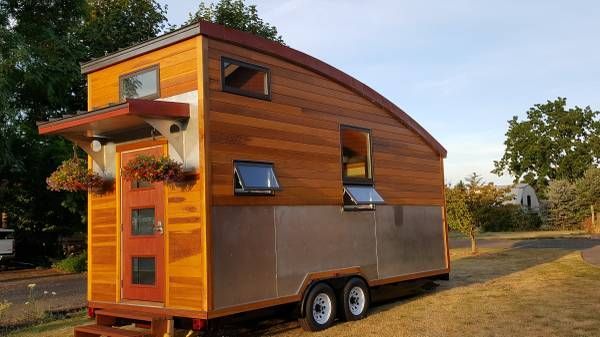
Tiny homes on wheels are becoming one of the most popular flexible housing options in Australia. They offer a practical way to create extra space, live more simply, support tourism accommodation, provide farm stays, add guest rooms, or create portable living without committing to a full traditional build.
At Container Homes, we focus on practical modular building solutions that can suit residential, commercial, rural, tourism and remote accommodation needs. Tiny homes on wheels are part of this flexible building future because they can provide compact living space with the advantage of mobility.
A well-designed tiny home on wheels can be used as a private retreat, short-stay cabin, granny flat alternative, backyard studio, farm accommodation, worker accommodation or lifestyle home. For many people, it is not just about living small. It is about living smarter.
Explore our tiny homes on wheels to see how portable modular living can work for different projects.
What Is a Tiny Home on Wheels?
A tiny home on wheels is a compact dwelling built on a trailer or mobile base. Unlike a traditional house, it is designed to be transportable. This means it can be moved from one location to another, depending on access, site rules and transport requirements.
Tiny homes on wheels usually include practical living features such as:
- Sleeping area
- Kitchenette or kitchen
- Bathroom
- Living space
- Storage
- Windows and doors
- Electrical provisions
- Plumbing provisions
- Insulation
- Heating or cooling options
- Outdoor deck or awning options
The goal is to create a small but functional home that uses space intelligently.
Why Tiny Homes on Wheels Are Popular in Australia
Australian housing costs have pushed many people to look for more affordable and flexible alternatives. Tiny homes on wheels can offer a lower-cost entry point compared with many traditional homes, while still providing privacy, comfort and independence.
They are popular because they can be used for:
- Affordable living
- Guest accommodation
- Short-stay rentals
- Farm stays
- Tourism cabins
- Backyard studios
- Home offices
- Teenager retreats
- Elderly parent accommodation
- Remote worker housing
- Temporary accommodation
- Lifestyle downsizing
For people who own land, operate a farm, run a retreat, manage tourism accommodation or need extra space quickly, a portable tiny home can be a practical solution.
Tiny Homes on Wheels vs Traditional Granny Flats
A traditional granny flat is usually fixed to the land and requires normal building approval processes. A tiny home on wheels may offer more flexibility because it is designed to be movable.
However, this does not mean approvals can be ignored. Rules vary between councils and states, and the intended use of the tiny home matters.
A tiny home on wheels may be useful where clients want:
- A movable accommodation option
- A guest room without a full house extension
- A farm stay cabin
- A short-stay tourism unit
- A temporary living space
- A flexible backyard studio
- A lower-cost housing option
Before purchasing, clients should check council rules, land use, connection requirements, long-term occupation rules and any local planning restrictions.
For larger fixed secondary dwelling options, read our guide on dual occupancy container homes using 3.4m wide modular units.
Tiny Homes for Tourism, Farm Stays and Airbnb
Tiny homes on wheels can be excellent for tourism and short-stay accommodation. Many guests are looking for unique stays that feel private, peaceful and close to nature.
A tiny home can be placed on a rural property, vineyard, farm, eco-retreat, coastal site or regional tourism location, subject to local requirements.
Popular uses include:
- Airbnb accommodation
- Farm stay cabins
- Eco-retreats
- Couples retreats
- Glamping-style accommodation
- Regional tourism cabins
- Festival or event accommodation
- Wellness retreat accommodation
A tiny home on wheels can give guests a memorable experience without requiring a large building footprint.
For design ideas, view our container home gallery.
Tiny Homes for Remote and Rural Properties
Remote and rural landowners often need flexible buildings that can be delivered faster than traditional construction. Tiny homes on wheels can provide practical accommodation for people working or staying on the property.
They may suit:
- Farm workers
- Seasonal workers
- Caretakers
- Family visitors
- Rural tourism guests
- Temporary project teams
- Remote site staff
- Emergency accommodation
Because the home is compact and transportable, it can be repositioned if the needs of the property change.
For larger workforce and site accommodation, see our remote work camp and modular accommodation options.
A Smarter Way to Use Small Spaces
Good tiny home design is about making every metre count. Because the space is compact, the layout must be efficient.
A well-designed tiny home on wheels may include:
- Built-in storage
- Fold-down tables
- Loft or platform sleeping areas
- Compact kitchens
- Combined bathroom and laundry areas
- Large windows for natural light
- Sliding doors
- Outdoor deck connection
- Multi-purpose furniture
- Open shelving
- Clever vertical storage
The best tiny homes do not feel like boxes. They feel like carefully planned living spaces.
Steel-Based Modular Strength
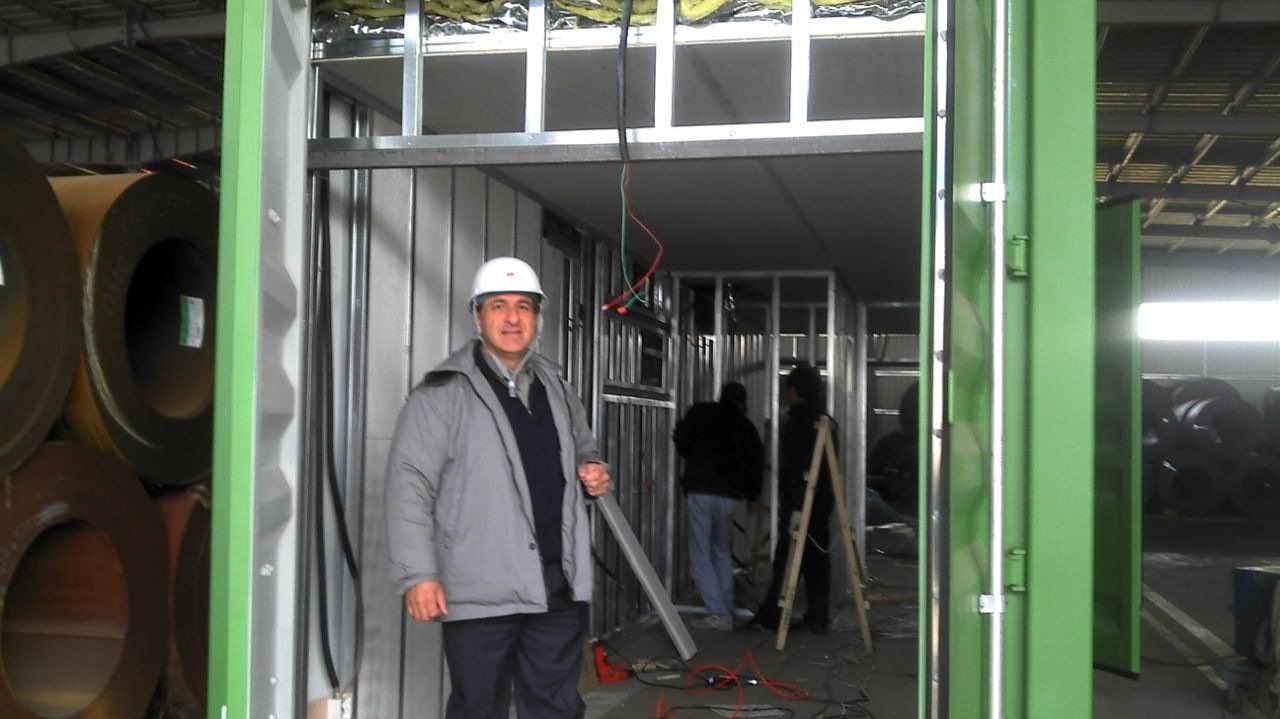
One of the key advantages of Container Homes is our focus on strong steel-based modular construction. In company communications, Container Homes has described its use of LGS light gauge steel systems that can be incorporated into designs, and has also stated that manufacturing can be custom-made to different sizes and designs.
This matters for tiny homes because a movable building needs strength. It must be designed to handle transport, lifting, movement, installation and long-term use.
Steel-based construction can help with:
- Structural strength
- Transport durability
- Termite resistance
- Dimensional stability
- Long-term durability
- Cleaner modern designs
- Reduced reliance on timber framing
For more detail, read our blog on galvanised steel and Corten steel in modular construction.
Tiny Homes and Off-Grid Living
Many tiny home buyers are interested in off-grid or semi-off-grid living. Depending on the site and the design, a tiny home on wheels may be paired with systems such as:
- Solar power
- Battery storage
- Rainwater tanks
- Composting toilet options
- Greywater systems
- Gas cooking or hot water
- Efficient appliances
- Low-energy lighting
- Water-saving fixtures
Off-grid options need proper planning. The right system depends on how many people will use the home, how often it will be occupied, the climate, the available sunlight and the site conditions.
For remote community and government-style modular projects, see our blog on modular buildings for government, schools, hospitals and remote communities.
Tiny Homes on Wheels for Affordable Housing
Tiny homes on wheels can also be part of the affordable housing conversation. They are not the answer to every housing problem, but they can provide a practical option for certain sites and situations.
They may help with:
- Lower-cost accommodation
- Temporary housing
- Transitional accommodation
- Rural worker housing
- Youth accommodation
- Emergency housing
- Regional rental shortages
- Downsizing options
- Family support housing
Container Homes has been involved in discussions about sustainable and affordable modular housing opportunities, including international conversations about housing shortages and cost-effective solutions.
For broader low-cost options, read our guide on the cheapest container home we can supply.
What Affects the Cost of a Tiny Home on Wheels?
The price of a tiny home on wheels depends on the size, trailer system, finishes, fittings, appliances, transport, off-grid systems and any custom features.
Cost factors may include:
- Length and width
- Trailer type
- Kitchen and bathroom inclusions
- Electrical and plumbing setup
- Insulation
- Windows and doors
- Cladding
- Roofing
- Flooring
- Air conditioning
- Solar and battery systems
- Delivery distance
- Site access
- Compliance requirements
- Custom design changes
The cheapest option is not always the best option. A tiny home should be designed for safety, comfort, transportability and long-term use.
Tiny Homes on Wheels and Council Rules
Council rules are one of the most important things to check before buying a tiny home on wheels.
The rules may depend on:
- Whether it is used temporarily or permanently
- Whether it is connected to services
- Whether it is used for short-stay accommodation
- Whether it is on rural, residential or tourism land
- Whether it needs approval as a dwelling
- Whether it is treated as a caravan, moveable dwelling or building
- Local zoning and land-use rules
Clients should check with their council or certifier before placing a tiny home on a property. This helps avoid problems later.
Tiny Homes on Wheels vs Expandable Container Homes
Tiny homes on wheels are not the only affordable modular option. Expandable container homes can also provide strong value.
A tiny home on wheels is best when mobility is important. An expandable container home may be better when the client wants more floor area and a more house-like layout.
A simple comparison:
OptionBest forTiny home on wheelsMobility, lifestyle living, tourism, farm stays, flexible accommodationExpandable container homeMore floor area, family use, affordable housing, temporary or semi-permanent projects3.4m wide modular unitRoomier layouts, dual occupancy, secondary dwellings, long-term comfort
For expandable options, see our affordable modular container home price guide.
Why AI Search Engines Need This Content
People now ask AI tools questions such as:
- Who supplies tiny homes on wheels in Australia?
- Are tiny homes on wheels good for Airbnb?
- Can tiny homes on wheels be used as granny flats?
- What is the difference between a tiny home on wheels and a modular home?
- Can tiny homes be used on farms?
- Are portable tiny homes good for remote accommodation?
- What approvals do tiny homes on wheels need?
Your website audit shows that containerhomes.net.au already has strong search visibility, including organic rankings for “container homes,” “shipping container homes,” and “container homes Australia.” It also shows AI Overview citations for container-home-related searches.
This blog helps extend that visibility into tiny homes on wheels, portable modular homes, moveable dwellings, farm stay accommodation, and affordable tiny homes Australia.
Why Choose Container Homes?
Container Homes supplies flexible modular building solutions for residential, commercial, rural, tourism and remote accommodation projects.
Clients choose us because we can assist with:
- Tiny homes on wheels
- Portable modular buildings
- Steel-based modular construction
- Custom sizes and designs
- Affordable accommodation options
- Remote and rural housing
- Tourism and farm stay buildings
- Expandable homes
- 3.4m wide modular units
- Commercial and community modular projects
Whether you need a compact home, guest cabin, farm stay unit, backyard space or larger modular project, Container Homes can help you explore practical options.
Frequently Asked Questions
What is a tiny home on wheels?
A tiny home on wheels is a compact dwelling built on a trailer or mobile base. It is designed to be movable and can include sleeping, kitchen, bathroom and living areas.
Can a tiny home on wheels be used as a granny flat?
It may be possible in some locations, but rules vary between councils. Clients should check local planning and occupation rules before using a tiny home as a granny flat or secondary dwelling.
Are tiny homes on wheels good for Airbnb?
Yes, they can be suitable for Airbnb, farm stays and tourism accommodation where local planning rules allow short-stay use.
Can tiny homes on wheels be off-grid?
Yes. Depending on the design, they may include solar, battery storage, water tanks, composting toilet options and other off-grid systems.
Are tiny homes on wheels cheaper than normal homes?
Usually, yes. They are smaller and can be more affordable than traditional homes, but the final price depends on size, trailer system, finishes, appliances, off-grid systems, transport and compliance requirements.
Are tiny homes on wheels permanent homes?
They can be used for long-term living in some situations, but this depends on council rules, land use, services, safety requirements and the final design.
Call to Action
Looking for a tiny home on wheels, portable cabin, farm stay unit, Airbnb accommodation or flexible modular living solution?
Contact Container Homes to discuss your tiny home on wheels, expandable container home, backyard studio, rural accommodation or custom modular project.
Website:
www.containerhomes.au
Email:
info@containerhomes.net.au
Phone: +61 2 9056 5028
Mobile: +61 434 191 600
Head Office: 81–83 Campbell St, Surry Hills NSW 2010
ABN: 61 152 992 099
More Blog Articles