This is a subtitle for your new post
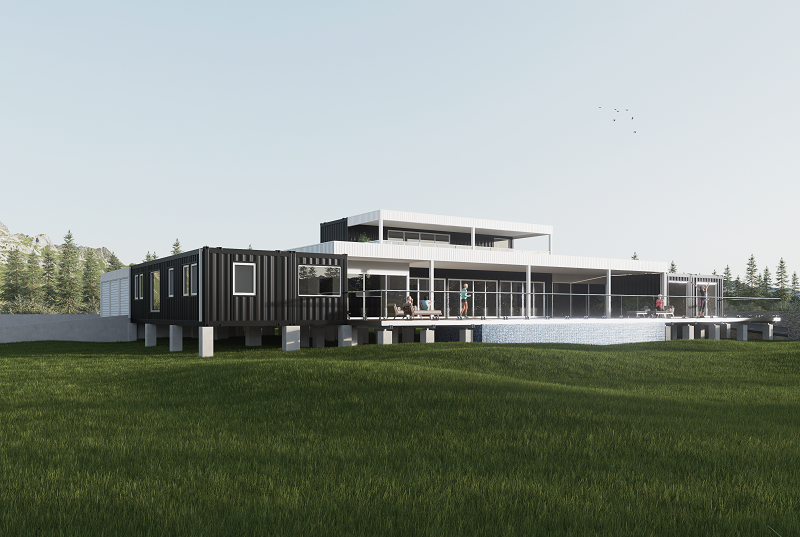
As housing costs, construction delays, and demand for flexible living continue to shape the Australian property market, more buyers are exploring alternatives to conventional building methods. One of the fastest-growing areas of interest is Container Homes Australia, especially for buyers who want modern design, efficient construction, flexible layouts, and a home that can be adapted to different sites and lifestyles.
At Container Homes, we specialise in purpose-built modular homes and buildings designed for Australian conditions. Rather than relying solely on traditional construction methods, modular building can offer a more controlled and efficient way to create residential homes, granny flats, accommodation, commercial spaces, and other buildings.
Why Container Homes Are Growing in Popularity
Interest in Shipping Container Homes Australia has increased significantly over the years because buyers are looking for practical alternatives to standard housing.
However, not all container-style homes are the same.
Some suppliers convert old shipping containers into dwellings. Others use purpose-built steel modular structures that are designed from the beginning for residential use.
Purpose-built modular homes can provide greater flexibility in areas such as:
- Internal width
- Ceiling height
- Insulation
- Window placement
- Roofing
- Plumbing
- Electrical systems
- Floor plans
- Interior finishes
- Structural engineering
For homeowners who want comfort and design flexibility, these features can make a major difference.
Container Homes for Sale Australia
People searching for Container Homes for Sale Australia are often looking for an affordable and faster pathway to owning a home, granny flat, holiday property, investment property, or secondary dwelling.
The right solution depends on several factors, including:
- The size of the building
- Number of bedrooms and bathrooms
- Site access
- Council requirements
- Delivery location
- Foundation requirements
- Interior finishes
- Kitchen and bathroom specifications
- Electrical and plumbing requirements
- Custom design features
Rather than choosing a one-size-fits-all building, many buyers prefer a modular home that can be customised to suit their property and lifestyle.
Modular Homes Australia
The broader category of Modular Homes Australia is becoming increasingly important as homeowners, developers, government organisations, and commercial operators look for faster and more scalable building solutions.
A modular home is manufactured in sections, or modules, before being transported to the final site.
This approach can allow multiple stages of the project to progress in parallel.
For example, while site preparation and foundations are being completed, parts of the home can be manufactured in a controlled environment.
Potential advantages of modular construction include:
- Reduced on-site construction time
- Greater factory quality control
- Reduced exposure to weather during manufacturing
- Flexible floor plans
- Consistent manufacturing processes
- Easier deployment to regional and remote areas
- Reduced disruption on site
Modular construction is suitable for far more than small homes. It can also be used for larger family homes, commercial buildings, offices, accommodation facilities, and government housing projects.
Luxury Container Homes Australia
Modern modular living does not have to mean basic accommodation.
Demand for Luxury Container Homes Australia is growing among buyers who want architectural design, premium finishes, large windows, modern kitchens, quality bathrooms, and spacious living areas.
A luxury modular home can include:
- Double-glazed windows
- High-quality insulation
- Premium flooring
- Stone benchtops
- Designer kitchens
- Modern bathrooms
- Built-in wardrobes
- Architectural lighting
- Large sliding doors
- Covered outdoor areas
- Custom façades
- Energy-efficient systems
The modular construction method can be combined with contemporary architecture to create homes that look and feel very different from traditional shipping containers.
Choosing Container Home Builders Australia
Selecting the right Container Home Builders Australia is one of the most important decisions in any modular building project.
Buyers should look beyond the advertised price and understand exactly what is included.
Important questions to ask include:
- Is the structure purpose-built or converted from a used shipping container?
- What materials are used?
- Is structural engineering included?
- What insulation system is provided?
- Are windows double glazed?
- Is roofing included?
- What level of interior finish is included?
- Are transport and installation included?
- Are foundations included?
- Does the quoted price include plumbing and electrical work?
- What approvals are required?
- Can the design be customised?
A professional supplier should clearly explain the construction process, inclusions, exclusions, delivery requirements, and site responsibilities.
Container Homes Australia Prices
One of the most common searches from buyers is Container Homes Australia Prices.
There is no single price that applies to every modular home because the final cost depends on the design, specifications, location, and site conditions.
Factors that can affect container home prices include:
Size
A one-bedroom studio will naturally cost less than a three- or four-bedroom family home.
Interior Finish
Entry-level finishes and premium architectural finishes can produce very different project costs.
Kitchens and Bathrooms
Cabinetry, appliances, benchtops, tapware, tiles, and bathroom fixtures all affect pricing.
Transport
Delivery costs depend on distance, module dimensions, road access, permits, and crane requirements.
Site Conditions
Sloping blocks, difficult access, bushfire zones, coastal locations, and remote properties may require additional engineering or construction work.
Foundations
Foundation requirements vary depending on the soil, building design, and engineering.
Approvals
Planning approvals, building approvals, consultants, and certification requirements can vary between councils and states.
For this reason, buyers should request a detailed quotation that clearly explains what is included.
Tiny Homes Australia
The Tiny Homes Australia market has grown as people look for smaller, more efficient, and more affordable living options.
Tiny homes can be suitable for:
- Couples
- Singles
- Retirees
- Holiday accommodation
- Guest houses
- Rural properties
- Short-term accommodation
- Investment properties
- Secondary dwellings
A modular tiny home can provide many of the benefits of a larger house while reducing the total building footprint.
However, buyers should still investigate council requirements and local planning rules before proceeding.
Container Granny Flats Australia
Demand for Container Granny Flats Australia is also increasing as homeowners look for ways to create additional living space on existing properties.
A modular granny flat may be used for:
- Parents
- Adult children
- Guests
- Rental accommodation
- Home offices
- Carer accommodation
- Short-term accommodation
Depending on the location and local planning requirements, a granny flat may provide an effective way to add value and functionality to a property.
Modern modular granny flats can include full kitchens, bathrooms, bedrooms, living rooms, storage, air conditioning, and outdoor areas.
Expandable Container Homes Australia
Another growing category is Expandable Container Homes Australia.
Expandable designs are intended to create additional internal space after transportation or installation.
They may appeal to buyers looking for compact transport dimensions combined with larger living areas.
However, buyers should carefully compare expandable homes with fixed modular construction.
Important considerations include:
- Structural strength
- Weather sealing
- Insulation
- Mechanical components
- Long-term maintenance
- Australian compliance requirements
- Internal ceiling heights
- Floor construction
- Window and door quality
Expandable systems can be suitable for certain applications, but quality and engineering should always be prioritised over price alone.
Are Container Homes Suitable for Australian Conditions?
Australia has a wide range of climate conditions, from tropical and coastal areas to alpine regions, bushfire-prone locations, deserts, and high-wind zones.
For this reason, modular homes should be designed specifically for their intended location.
Important considerations can include:
- Wind ratings
- Bushfire requirements
- Thermal insulation
- Waterproofing
- Ventilation
- Corrosion protection
- Roof design
- Drainage
- Structural engineering
- Energy efficiency
A modular home designed for Australian conditions should consider these factors from the beginning of the project.
Container Homes vs Traditional Construction
Traditional construction remains an excellent option for many projects, but modular construction offers a different approach.
Traditional building generally involves completing most construction directly on site.
Modular construction moves a significant proportion of that work into a controlled manufacturing environment.
This can potentially reduce construction delays and improve consistency, particularly where site access, labour shortages, weather, or remote locations create challenges.
The best construction method ultimately depends on the site, budget, design, approvals, and intended use.
Customising Your Container Home
One of the biggest misconceptions about modular homes is that buyers must accept a standard box-shaped design.
Modern modular construction can allow substantial customisation.
Depending on the project, homeowners may be able to customise:
- Floor plans
- Module sizes
- Bedroom layouts
- Bathrooms
- Kitchens
- Windows
- Doors
- Exterior cladding
- Roofing
- Decks
- Internal finishes
- Lighting
- Storage
- Heating and cooling
Modules can also be combined to create much larger homes.
This means a modular building can range from a compact studio to a substantial family residence.
Who Can Benefit From Modular Homes?
Container and modular buildings can suit many different applications across Australia.
These include:
- Residential homeowners
- Property investors
- Developers
- Farmers
- Tourism operators
- Mining companies
- Construction companies
- Government agencies
- Community housing providers
- Schools
- Commercial businesses
- Regional communities
The ability to manufacture buildings away from the final site makes modular construction particularly attractive for regional and remote projects.
Start Planning Your Modular Home
Whether you are researching Container Homes Australia, comparing Shipping Container Homes Australia, looking for Container Homes for Sale Australia, or considering Modular Homes Australia, the best place to start is with your site, requirements, and budget.
A successful project begins with understanding:
- Where the building will be located
- How the building will be used
- Required size
- Number of bedrooms and bathrooms
- Preferred finishes
- Site access
- Council requirements
- Budget
- Delivery timeframe
From there, a modular home can be designed around the requirements of the project.
At Container Homes, our focus is on creating purpose-built modular homes and buildings that combine practical construction with modern design, quality materials, and flexible layouts.
If you are considering a new home, granny flat, commercial building, workforce accommodation project, or custom modular development, contact our team to discuss your requirements.
- Container Homes
Website: www.containerhomes.au
Email: info@containerhomes.net.au
Phone: +61 2 9056 5028
Mobile: +61 434 191 600
More Blog Articles