This is a subtitle for your new post
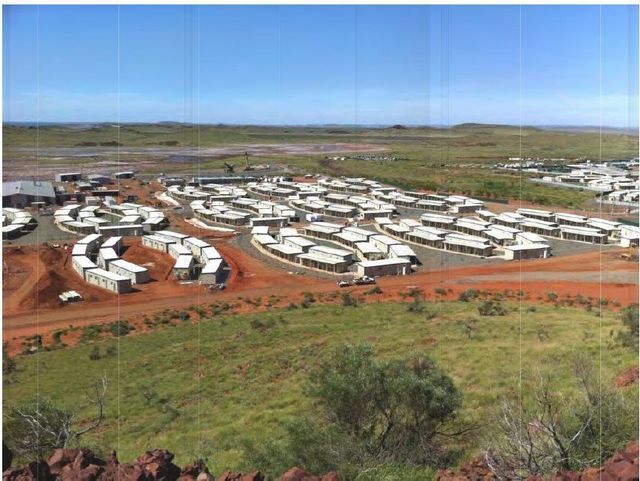
Australians are increasingly exploring modular and container-style housing as an alternative to conventional building. From metropolitan areas to regional and remote locations, demand is growing for flexible, efficient, and modern building solutions that can be adapted to different sites and lifestyles.
At Container Homes, we provide purpose-built modular homes and buildings designed for Australian conditions. Our approach goes beyond simply modifying old shipping containers. We focus on engineered modular construction, flexible layouts, quality finishes, and practical delivery solutions.
Whether you are searching for Container Homes Sydney, Container Homes Melbourne, Container Homes Brisbane, Container Homes Perth, Container Homes NSW, Container Homes Victoria, or Container Homes WA, the most important starting point is choosing a solution suited to your site, local conditions, and project requirements.
Container Homes Sydney
Demand for Container Homes Sydney continues to grow as homeowners look for new ways to create additional accommodation, secondary dwellings, family homes, home offices, and investment properties.
Sydney presents a wide range of building conditions, from compact suburban blocks to sloping sites, coastal locations, and properties with difficult access.
A modular building solution can be particularly useful where buyers want to reduce the amount of construction work completed directly on site.
Potential applications in Sydney include:
- Custom family homes
- Granny flats
- Guest accommodation
- Home offices
- Studios
- Investment properties
- Commercial buildings
- Temporary or permanent accommodation
For Sydney projects, important considerations can include council requirements, site access, transport routes, crane access, foundations, bushfire requirements, and local planning controls.
A properly planned modular project should consider all of these factors before manufacturing begins.
Why Buyers Are Looking for Container Homes in Sydney
The appeal of container and modular homes in Sydney is not simply about building smaller.
Many buyers are attracted to:
- Faster off-site manufacturing
- Flexible floor plans
- Modern architectural design
- Reduced disruption on site
- Steel construction
- Customisable finishes
- Energy-efficient options
- Potential suitability for difficult sites
For many clients, the objective is to create a high-quality home that looks modern and performs well, without relying entirely on traditional construction methods.
Container Homes Melbourne
Interest in Container Homes Melbourne is also increasing as homeowners and developers search for flexible construction options.
Melbourne and surrounding regions include a wide range of property types, from dense suburban sites to regional acreage.
Modular construction can suit both compact and larger-scale residential developments.
Common applications include:
- One-bedroom homes
- Two-bedroom modular homes
- Three-bedroom family homes
- Four-bedroom modular residences
- Granny flats
- Holiday accommodation
- Commercial buildings
- Workforce accommodation
A Melbourne modular project should take into account local climate conditions, energy-efficiency requirements, access, foundation design, and relevant building approvals.
Container Homes Victoria
People searching for Container Homes Victoria are often looking beyond Melbourne to regional areas where modular construction can offer particular advantages.
Regional Victorian projects may involve:
- Rural properties
- Farms
- Tourism accommodation
- Holiday homes
- Staff housing
- Regional worker accommodation
- Secondary dwellings
- Commercial buildings
Because a large part of the construction process can be completed away from the final property, modular construction may be suitable for locations where access to trades and materials is more challenging.
Transport and installation planning remain important, particularly for rural properties and sites with restricted access.
Designing Container Homes for Victorian Conditions
Victoria experiences a wide range of environmental conditions.
Depending on the site, a modular home may need to consider:
- Cold winters
- Hot summers
- Bushfire-prone areas
- Wind exposure
- Coastal conditions
- Insulation requirements
- Energy efficiency
- Rainwater management
A well-designed modular building should respond to its specific location rather than applying the same specification to every project.
Container Homes Brisbane
Demand for Container Homes Brisbane has increased as Queensland homeowners explore modern, flexible housing options.
Brisbane's climate and lifestyle create opportunities for modular homes with strong indoor-outdoor connections.
Design features may include:
- Large sliding doors
- Covered outdoor areas
- Verandahs
- Open-plan living
- High-quality insulation
- Ventilation
- Air conditioning
- Large windows
- Shaded outdoor spaces
A modular home can be customised to suit both urban and suburban Brisbane properties.
Modular Building for Queensland Conditions
Although Brisbane enjoys a warmer climate, modular homes still need to be designed carefully for local environmental conditions.
Considerations can include:
- Heat
- Humidity
- Heavy rainfall
- Storm conditions
- Wind ratings
- Ventilation
- Corrosion protection
- Drainage
- Insulation
The building specification should reflect where the home will ultimately be installed.
Container Homes Perth
Interest in Container Homes Perth is growing among buyers looking for modern housing, secondary accommodation, regional dwellings, and commercial modular buildings.
Western Australia presents unique opportunities for modular construction because of the significant distances between many projects and traditional construction resources.
Potential Perth and WA applications include:
- Residential homes
- Granny flats
- Rural accommodation
- Mining accommodation
- Workforce housing
- Commercial offices
- Regional housing
- Tourism developments
- Staff accommodation
Modular construction can be particularly attractive where the ability to manufacture off site reduces the amount of work required in a remote location.
Container Homes WA
The market for Container Homes WA extends far beyond Perth.
Western Australia includes many regional and remote areas where housing and commercial buildings may need to be delivered over significant distances.
Purpose-built modular buildings can be suitable for:
- Mining projects
- Regional communities
- Farms
- Remote properties
- Tourism operations
- Infrastructure projects
- Government housing
- Workforce accommodation
- Staff housing
For regional WA projects, transport logistics need to be considered from the early design stage.
Building width, height, road access, delivery routes, cranes, and installation requirements can all affect the final project.
Container Homes NSW
The market for Container Homes NSW includes Sydney as well as major regional centres, rural communities, coastal areas, and remote properties.
Modular homes can suit a range of NSW projects, including:
- Residential homes
- Rural homes
- Granny flats
- Holiday accommodation
- Commercial buildings
- Emergency accommodation
- Government housing
- Regional workforce accommodation
NSW projects can vary significantly depending on the local council area and site conditions.
Potential considerations include:
- Development approvals
- Bushfire requirements
- Flood conditions
- Site access
- Coastal corrosion
- Wind ratings
- Foundations
- Transport
A modular home should therefore be designed around the actual project location.
The Difference Between Purpose-Built Modular Homes and Converted Shipping Containers
One of the most important distinctions for buyers is understanding the difference between traditional shipping container conversions and purpose-built modular homes.
A converted shipping container begins life as a freight container.
A purpose-built modular home is designed from the outset for residential or commercial use.
This can provide greater flexibility in areas such as:
- Building width
- Ceiling height
- Window sizes
- Door placement
- Insulation
- Roofing
- Floor plans
- Exterior finishes
- Structural design
- Interior layouts
For buyers seeking a more premium result, purpose-built modular construction can provide considerably more design freedom.
Can Container Homes Be Delivered Australia-Wide?
One of the major advantages of modular construction is the ability to manufacture a significant portion of the building before transporting it to the final site.
Delivery can potentially be arranged to:
- Sydney
- Regional NSW
- Melbourne
- Regional Victoria
- Brisbane
- Regional Queensland
- Perth
- Regional Western Australia
- Other Australian locations
However, transport requirements vary from project to project.
Factors can include:
- Module dimensions
- Distance
- Road conditions
- Oversize transport requirements
- Site access
- Crane access
- Local restrictions
Transport planning should therefore form part of the design process.
How Much Do Container Homes Cost in Sydney, Melbourne, Brisbane or Perth?
There is no single Australia-wide price for a modular home.
The final price depends on factors such as:
- Building size
- Number of modules
- Number of bedrooms
- Bathrooms
- Kitchen specification
- Interior finishes
- Windows and doors
- Roofing
- Insulation
- Transport distance
- Crane requirements
- Foundations
- Site preparation
- Approvals
- Engineering
A small modular dwelling and a premium four-bedroom home will naturally have very different budgets.
Buyers should compare quotations carefully and confirm exactly what is included.
Are Container Homes Suitable for Regional Australia?
Modular homes can be particularly useful for regional and remote projects.
Because a substantial amount of construction can occur before the building reaches the site, modular construction may reduce reliance on local trades.
This can make modular buildings attractive for:
- Rural properties
- Mining communities
- Tourism accommodation
- Agricultural businesses
- Government projects
- Workforce accommodation
- Remote communities
However, access and transport must still be assessed carefully before a project begins.
Custom Container Homes Across Australia
Modern modular construction allows buyers to move beyond standard layouts.
Depending on the project, clients may be able to customise:
- Bedrooms
- Bathrooms
- Kitchens
- Living spaces
- Windows
- Doors
- Exterior cladding
- Roofing
- Decking
- Storage
- Lighting
- Air conditioning
- Internal finishes
Multiple modules can also be connected to create larger buildings.
This means modular construction can support everything from compact one-bedroom accommodation to substantial family homes and commercial developments.
Choosing the Right Container Home Supplier
Whether you are looking for Container Homes Sydney, Container Homes Melbourne, Container Homes Brisbane, or Container Homes Perth, it is important to compare suppliers carefully.
Ask prospective suppliers:
- Is the building purpose-built?
- Is structural engineering included?
- What type of steel system is used?
- What insulation is provided?
- Are the windows double glazed?
- Is roofing included?
- What finishes are standard?
- Can the design be customised?
- Is transport included?
- Is installation included?
- Are foundations included?
- What approvals are required?
The cheapest advertised price is not always the cheapest completed project.
A clear scope of works is essential.
Container Homes for Residential and Commercial Projects
Container and modular buildings are not limited to residential use.
They may also be suitable for:
- Offices
- Retail buildings
- Sales offices
- Hospitality projects
- Staff accommodation
- Mining accommodation
- Construction camps
- Government housing
- Community buildings
- Educational facilities
The modular approach can therefore be used across a wide variety of sectors.
Planning a Container Home Project in Australia
Before requesting a quotation, it helps to have some basic information ready.
Consider:
- Property location
- Intended use
- Number of bedrooms
- Number of bathrooms
- Approximate floor area
- Preferred design
- Budget
- Site access
- Desired timeframe
- Council approval status
The more information available at the beginning, the easier it is to assess whether a modular solution is suitable.
Australia-Wide Modular Building Solutions
Whether your project is in Sydney, Melbourne, Brisbane, Perth, regional NSW, Victoria, or Western Australia, the right modular solution should be designed around your location rather than forcing your property into a standard design.
At Container Homes, our focus is on purpose-built modular structures that combine modern design, structural engineering, flexible layouts, and quality finishes.
If you are researching:
- Container Homes Sydney
- Container Homes Melbourne
- Container Homes Brisbane
- Container Homes Perth
- Container Homes NSW
- Container Homes Victoria
- Container Homes WA
our team can discuss your site, design requirements, intended use, and project goals.
Container Homes
Website:
www.containerhomes.au
Email:
info@containerhomes.net.au
Phone: +61 2 9056 5028
Mobile: +61 434 191 600
More Blog Articles