Worker Accommodation, Mining Camps, Site Offices & Custom Modular Solutions
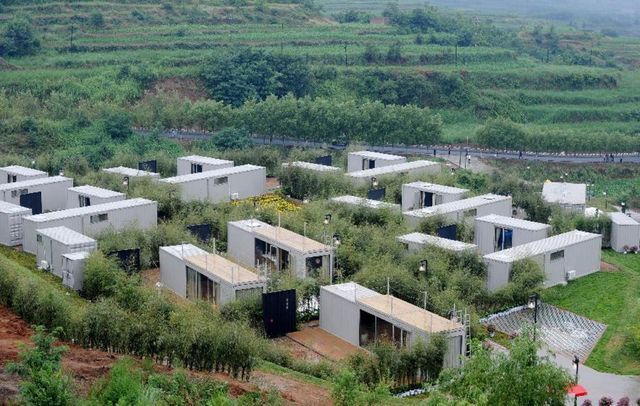
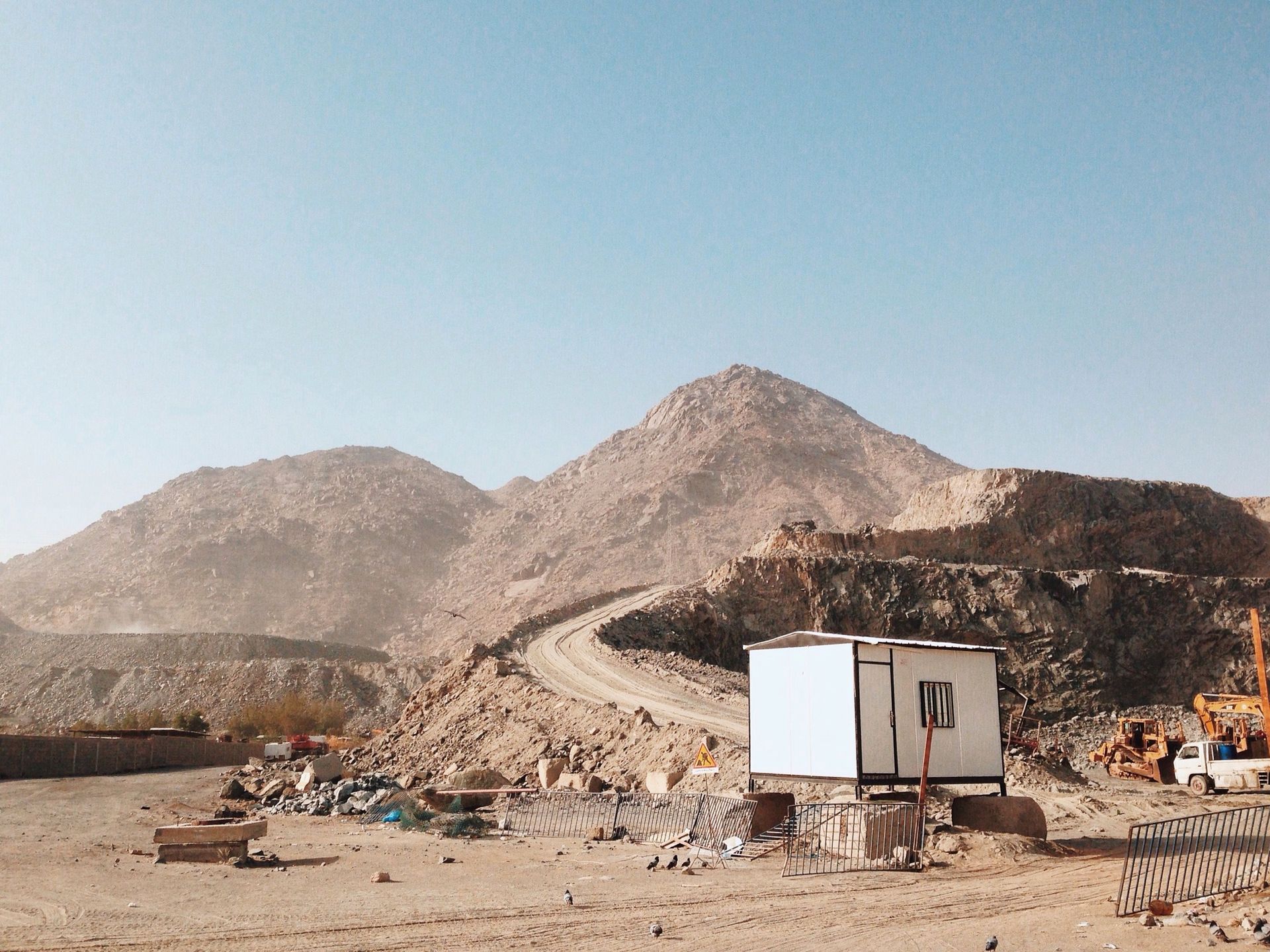
Across Australia, businesses, developers, mining companies, construction firms, infrastructure providers, and government organisations are increasingly turning to modular construction for faster, more flexible building solutions.
From Modular Worker Accommodation Australia and Mining Accommodation Australia to Portable Site Offices Australia and Commercial Modular Buildings Australia, modular construction can provide a practical alternative to traditional on-site building methods.
At Container Homes, we provide purpose-built modular structures designed around the requirements of each project. Our buildings are not limited to residential use. They can be configured for accommodation, offices, administration buildings, project facilities, commercial premises, and custom applications across metropolitan, regional, and remote Australia.
Modular Worker Accommodation Australia
Demand for Modular Worker Accommodation Australia continues to grow across mining, construction, infrastructure, agriculture, energy, and regional development projects.
Providing safe, comfortable, and functional accommodation for workers can be challenging, particularly in remote areas where local housing is limited.
Modular worker accommodation can be designed to include:
- Private bedrooms
- Shared accommodation
- Ensuite bathrooms
- Communal bathrooms
- Kitchens
- Dining areas
- Laundry facilities
- Recreation rooms
- Administration offices
- Storage
- Outdoor areas
- Air conditioning
- Built-in wardrobes
Depending on project requirements, accommodation can be configured as individual units or as larger multi-module buildings.
Why Use Modular Worker Accommodation?
One of the major advantages of modular construction is that a significant portion of the building can be manufactured away from the final site.
This can be particularly useful where projects are located in regional or remote areas.
Potential benefits include:
- Reduced on-site construction
- Faster deployment
- Controlled manufacturing conditions
- Repeatable room layouts
- Flexible accommodation capacity
- Easier expansion
- Reduced disruption to active sites
- Custom internal configurations
- Ability to relocate certain building types where appropriate
For large projects, modular accommodation can also allow companies to standardise room layouts across multiple sites.
Mining Accommodation Australia
The mining sector has long relied on transportable and modular buildings to support remote operations.
Modern Mining Accommodation Australia can be significantly more sophisticated than basic temporary camps.
Mining accommodation can be designed for:
- Exploration projects
- Construction phases
- Operational mine sites
- Shutdown projects
- Remote infrastructure developments
- Energy projects
- Regional workforce housing
Depending on the project, facilities may include:
- Single-person accommodation
- Ensuite rooms
- Multi-room accommodation buildings
- Dining facilities
- Commercial kitchens
- Recreation rooms
- Offices
- Meeting rooms
- First-aid buildings
- Change rooms
- Laundries
- Storage buildings
A well-planned mining accommodation project should balance durability, transport efficiency, comfort, maintenance, and operational requirements.
Designing Mining Accommodation for Remote Australia
Remote Australian conditions can place significant demands on buildings.
Depending on the location, project designers may need to consider:
- Extreme temperatures
- High winds
- Dust
- Heavy rainfall
- Cyclonic conditions
- Corrosion
- Remote maintenance requirements
- Transport distances
- Limited site access
- Energy efficiency
Building specifications should therefore be matched to the actual project location.
Rather than treating remote accommodation as temporary low-quality housing, companies increasingly recognise that comfortable accommodation can also contribute to workforce wellbeing and staff retention.
Portable Site Offices Australia
Construction, infrastructure, mining, civil works, and major development projects often require offices that can be deployed quickly.
Portable Site Offices Australia can provide temporary or semi-permanent working environments without requiring a conventional building to be constructed from the ground up.
Site office configurations can include:
- Open-plan offices
- Private offices
- Meeting rooms
- Reception areas
- Project management rooms
- Lunchrooms
- Kitchens
- Bathrooms
- Storage
- Document rooms
- Training rooms
Modular office buildings can also be connected to create larger administration facilities.
Site Offices for Construction Projects
A well-designed site office can become the operational centre of a construction project.
Depending on the size of the project, a modular site office may accommodate:
- Project managers
- Site supervisors
- Engineers
- Architects
- Safety officers
- Administration staff
- Client representatives
- Consultants
The building can be configured around workflow requirements rather than simply providing an empty portable room.
Features may include:
- Data and power outlets
- Air conditioning
- Insulation
- Kitchenettes
- Internal partitions
- Meeting spaces
- Storage
- Secure entry
- Large windows
- External awnings
Commercial Modular Buildings Australia
The applications for Commercial Modular Buildings Australia extend far beyond temporary accommodation and site offices.
Modern modular construction can be used for many types of commercial property.
Potential applications include:
- Corporate offices
- Retail spaces
- Cafés
- Restaurants
- Showrooms
- Sales offices
- Medical facilities
- Community facilities
- Educational buildings
- Tourism accommodation
- Staff housing
- Training centres
- Administration buildings
- Project offices
The modular construction method can be adapted to both temporary and permanent applications, subject to project requirements and relevant approvals.
Why Businesses Choose Modular Commercial Buildings
Traditional commercial construction can involve long programs, significant site activity, and complex coordination of multiple trades.
Modular construction changes the sequence of the project.
While foundations and site works are being prepared, sections of the building may be manufactured elsewhere.
Potential advantages can include:
- Faster project delivery
- Reduced work on active sites
- Greater factory quality control
- Repeatable building designs
- Easier expansion
- Flexible layouts
- Custom finishes
- Reduced weather disruption during manufacturing
For businesses that need additional space quickly, these factors can make modular construction attractive.
Custom Container Homes Australia
Although the phrase Custom Container Homes Australia is often associated with residential buildings, the same design principles can be applied to commercial and industrial projects.
Custom modular structures can be developed around specific operational needs rather than forcing clients to select a standard configuration.
Customisation may include:
- Module dimensions
- Floor plans
- Internal walls
- Windows
- Doors
- Kitchens
- Bathrooms
- Offices
- Storage
- Electrical layouts
- Data systems
- Air conditioning
- External cladding
- Roofing
- Accessibility features
- Interior finishes
Purpose-built modular structures also allow greater design flexibility than many traditional converted freight containers.
Purpose-Built vs Converted Shipping Containers
Commercial buyers should understand the difference between a converted shipping container and a purpose-built modular building.
Shipping containers were originally engineered for transporting freight.
A purpose-built modular structure can instead be designed specifically for its intended commercial or residential use.
This can provide greater flexibility in:
- Building width
- Internal ceiling height
- Structural openings
- Window sizes
- Insulation
- Roofing
- Internal layouts
- Exterior finishes
- Mechanical systems
- Plumbing
- Electrical systems
For larger commercial projects, these differences can become particularly important.
Modular Buildings for Mining Companies
Mining operations may require much more than accommodation.
A modular project can include an entire group of buildings such as:
- Worker accommodation
- Administration offices
- Meeting rooms
- First aid facilities
- Kitchens
- Dining rooms
- Recreation rooms
- Laundries
- Storage buildings
- Security offices
- Training facilities
Using a modular approach can allow these facilities to be designed as a coordinated system.
Standardised module sizes may also simplify manufacturing, transportation, installation, and future expansion.
Modular Buildings for Construction Companies
Construction companies can use modular buildings for both project operations and worker facilities.
Applications may include:
- Site offices
- Lunchrooms
- Change rooms
- Toilets
- Showers
- Training rooms
- First aid rooms
- Storage
- Security facilities
- Worker accommodation
For major infrastructure projects, multiple buildings can be combined into temporary project compounds.
Modular Buildings for Government Projects
Government agencies and councils may also use modular construction for projects requiring scalable or rapidly deployable facilities.
Possible applications include:
- Regional housing
- Community accommodation
- Emergency accommodation
- Offices
- Health facilities
- Educational buildings
- Staff accommodation
- Infrastructure support buildings
Modular construction can be particularly useful where projects need to be delivered in regional areas or across multiple locations.
Modular Buildings for Remote Projects
Remote construction presents unique challenges.
Transport distances, limited labour availability, extreme weather, and difficult site access can increase the complexity of conventional construction.
Modular buildings allow more of the work to occur before the building reaches the project site.
For remote projects, planning should consider:
- Road access
- Module dimensions
- Transport permits
- Crane requirements
- Foundations
- Site services
- Installation sequence
- Weather conditions
- Maintenance requirements
Transport planning should begin early rather than being treated as an afterthought.
Commercial Modular Building Design
A commercial modular building does not have to look temporary.
Modern modular architecture can include:
- Contemporary façades
- Architectural cladding
- Large windows
- Feature entrances
- Covered walkways
- Reception areas
- Premium office interiors
- Custom signage
- Decking
- Landscaping integration
This means modular construction can be used not only for back-of-site facilities but also for customer-facing commercial buildings.
Expanding a Modular Facility
Another potential benefit of modular construction is scalability.
A business may begin with a smaller facility and add additional modules as requirements change.
For example, a project may initially require:
- 20 accommodation rooms
and later expand to:
- 40 accommodation rooms
- Dining facilities
- Administration offices
- Recreation areas
Planning for future expansion at the design stage can make later growth easier.
What Affects Commercial Modular Building Prices?
There is no single price for a commercial modular building.
Project costs depend on factors such as:
- Number of modules
- Building dimensions
- Structural requirements
- Interior layouts
- Plumbing
- Electrical systems
- Air conditioning
- Bathrooms
- Kitchens
- Fire safety requirements
- Accessibility requirements
- Exterior finishes
- Transport distance
- Site access
- Foundations
- Installation
- Engineering
- Approvals
For larger projects, it is important to compare suppliers based on the complete project scope rather than the initial module price alone.
Planning a Worker Accommodation Project
Companies considering Modular Worker Accommodation Australia should prepare a basic project brief before requesting quotations.
Useful information includes:
- Project location
- Number of workers
- Required number of rooms
- Single or shared occupancy
- Ensuite requirements
- Kitchen facilities
- Dining requirements
- Laundry requirements
- Recreation requirements
- Project duration
- Installation date
- Site access
- Available services
A clear project brief allows the building configuration to be developed more efficiently.
Planning a Mining Accommodation Project
For Mining Accommodation Australia, additional information may include:
- Mine location
- Workforce numbers
- Shift structure
- Camp expansion requirements
- Environmental conditions
- Water availability
- Power supply
- Waste systems
- Transport routes
- Cyclonic or high-wind requirements
- Long-term maintenance plans
These factors can significantly influence the building design.
Planning a Portable Site Office
For businesses seeking Portable Site Offices Australia, the design should be based on how the office will actually operate.
Consider:
- Number of staff
- Meeting room requirements
- Private offices
- Reception area
- Kitchen facilities
- Bathrooms
- Storage
- Data requirements
- Security
- Accessibility
- Expected project duration
Even a temporary site office can benefit from thoughtful design.
Choosing a Commercial Modular Building Supplier
Before selecting a supplier for Commercial Modular Buildings Australia, businesses should ask detailed questions.
These may include:
- Is the structure purpose-built?
- What structural system is used?
- Is engineering included?
- What insulation is provided?
- Can layouts be customised?
- Are electrical and plumbing systems included?
- Are bathrooms and kitchens factory fitted?
- Is transport included?
- Is installation included?
- What foundations are required?
- Can the building be expanded later?
- What quality control processes are used?
Clear documentation and scope definition are especially important for commercial projects.
Australia-Wide Commercial Modular Solutions
Modular construction can provide flexible building solutions for projects across:
- NSW
- Victoria
- Queensland
- Western Australia
- South Australia
- Tasmania
- ACT
- Regional Australia
- Remote Australia
Whether a project requires a single portable office or a large workforce accommodation facility, modular buildings can be designed around the operational requirements of the client.
Start Planning Your Commercial Modular Project
If you are researching:
- Modular Worker Accommodation Australia
- Mining Accommodation Australia
- Portable Site Offices Australia
- Commercial Modular Buildings Australia
- Custom Container Homes Australia
the first step is to define your project requirements.
Consider:
- What the building will be used for
- Number of occupants
- Project location
- Required floor area
- Building specifications
- Desired completion timeframe
- Site access
- Budget
- Future expansion requirements
At Container Homes, our focus is on providing purpose-built modular solutions for residential, commercial, mining, construction, workforce, and government applications.
From individual site offices to larger accommodation facilities, buildings can be designed around the practical needs of the project.
Container Homes
Website:
www.containerhomes.au
Email:
info@containerhomes.net.au
Phone: +61 2 9056 5028
Mobile: +61 434 191 600
More Blog Articles