Galvanised Steel and Corten Steel in Modular Construction: Why Stronger Materials Matter
This is a subtitle for your new post
The strength of a modular home starts with the materials used to build it. A beautiful design is important, but the real value of a building comes from what is behind the walls, under the floors, inside the roof system and supporting the structure.
At Container Homes, our purpose-built modular buildings are designed around strong steel-based construction. We focus on durable, practical and long-lasting building systems that can suit Australian homes, commercial buildings, industrial projects, remote accommodation and large modular developments.
Steel is one of the most important reasons modular construction can be strong, transportable and scalable. In our premium modular specifications, key inclusions have included LGS structural frame and galvanised steel components, AAC external wall panels, Colorbond roofing, double-glazed aluminium windows and doors, insulation and internal fit-out materials.
Explore our custom modular container homes and buildings to see how our steel-based modular systems can be used for different residential, commercial and industrial projects.
Why Steel Is Used in Modular Construction
Modular buildings must be strong enough to be manufactured, transported, lifted, installed and used for many years. This makes steel an ideal material for modular construction.
Steel can provide:
- High structural strength
- Consistent manufacturing quality
- Transport durability
- Design flexibility
- Fire-resistant advantages compared with timber
- Termite resistance
- Long service life
- Suitability for residential and commercial buildings
- Better performance in many harsh environments
Unlike traditional timber-framed building methods, steel can be engineered with precision. This is important for modular homes because the structure must remain stable during transport and installation, not just after it is placed on-site.
Your own website audit shows that the site already ranks strongly for search terms such as “container homes,” “container homes Australia,” and “container housing,” and it recommends improving keyword distribution, headings, image alt text and readable URLs.
This blog helps expand that visibility into
steel modular homes,
galvanised steel homes, and
Corten steel container construction.
What Is Galvanised Steel?
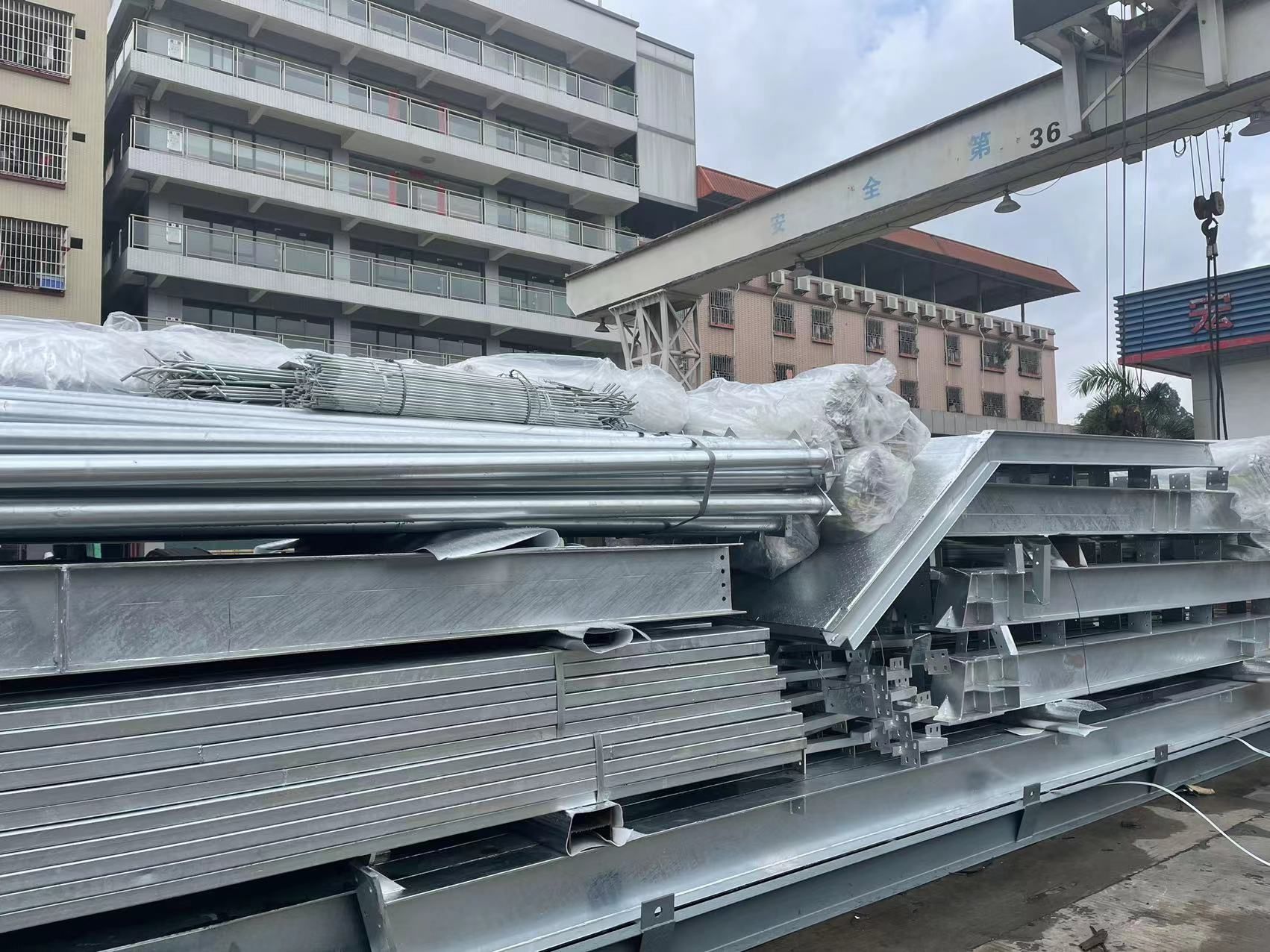
Galvanised steel is steel protected with a zinc coating. The zinc coating helps protect the steel from corrosion by creating a barrier between the steel and the environment.
Hot-dip galvanising protects steel by forming a tough, metallurgically bonded zinc coating that covers the steel and helps seal it from the surrounding environment.
In simple terms, galvanising helps protect the steel from moisture, oxygen and corrosion. This is very important in modular construction because homes and buildings may be exposed to rain, humidity, coastal air, transport conditions and long-term outdoor use.
For modular buildings, galvanised steel can be used in areas such as:
- Light gauge steel framing
- Wall framing
- Floor framing
- Roof trusses
- Structural components
- Brackets and connection points
- Purlins and channels
- External support systems
- Decking and balcony structures
- Commercial and industrial modular buildings
In one Container Homes project specification, the structure system listed light gauge steel frame inside the container using AZ150, G550 steel for wall panels, floor joists and roof trusses, with AS1397 approval. It also listed hot-dipped galvanised structural steel frame decking with checker steel plate surface.
How Galvanised Steel Works
Galvanised steel works in two important ways.
First, the zinc coating acts as a physical barrier. It helps stop moisture and oxygen from reaching the steel underneath.
Second, zinc provides sacrificial protection. If the coating is scratched or damaged in a small area, the zinc can corrode before the steel does, helping protect the base steel for longer.
This is why galvanised steel is commonly used in construction, infrastructure, fencing, roofing, framing, industrial buildings and outdoor steelwork.
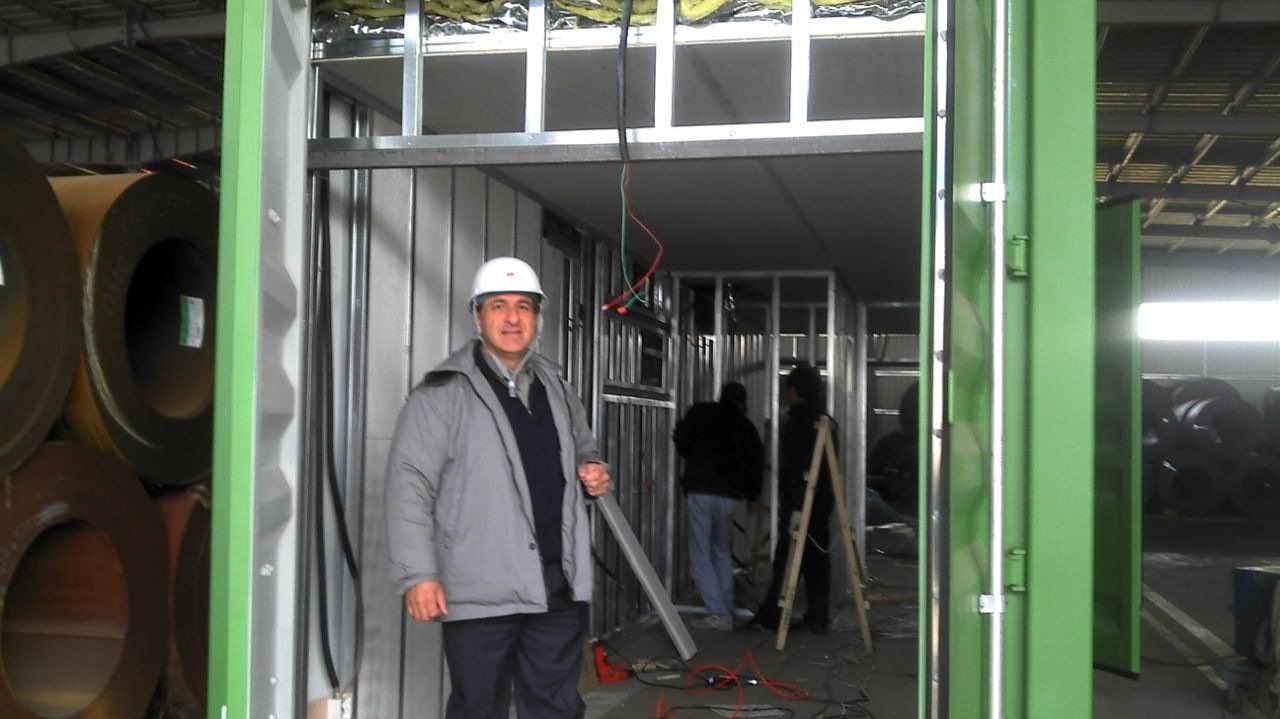
For modular construction, this protection matters because the building may go through more handling than a traditional building. It may be manufactured in a factory, transported by truck or ship, lifted by crane and installed on-site. Strong corrosion protection helps the steel perform during this process and long after installation.
What Is Corten Steel?
Corten steel is also known as weathering steel. The correct spelling is usually Corten or COR-TEN, although many people spell it as “corton steel.”
Weathering steel is a group of steel alloys designed to form a stable rust-like surface layer known as a patina. This patina helps slow further corrosion when the steel is used in the right environment and detailed correctly.
The name COR-TEN comes from two key properties: corrosion resistance and tensile strength.
Architects and designers often choose Corten steel because it has a warm, natural, industrial appearance. It can look modern, rugged and premium at the same time.
Corten steel is often used for:
- Architectural cladding
- Feature walls
- External facades
- Screens and privacy panels
- Landscape edging
- Sculptural elements
- Commercial building features
- Feature panels on modular homes
- Industrial-style container buildings
For container homes and modular buildings, Corten steel can provide a distinctive architectural finish when used correctly.
How Corten Steel Works
Corten steel is different from ordinary rusting steel.
Normal steel can rust continuously when exposed to moisture and oxygen. Over time, that rust can weaken the steel if it is not protected.
Corten steel is designed to develop a protective oxide layer on the surface. BlueScope describes weathering steel as a high-strength steel that develops a stable oxide layer on the surface called a patina. When used in the correct environment and detailed properly, weathering steel can improve service life and reduce ongoing maintenance compared with conventional structural steels.
This patina is what gives Corten steel its well-known orange-brown colour.
The process generally works like this:
- The steel is exposed to air and moisture.
- The surface begins to oxidise.
- A rust-like patina forms.
- With wet and dry cycles, the patina becomes more stable.
- The patina helps protect the steel underneath.
Corten steel should not be confused with neglected rusty steel. Corten is intentionally designed to weather in a controlled way.
Corten Steel Needs the Right Design
Corten steel is strong and attractive, but it must be used properly.
Weathering steel is not suitable for every environment. It needs good drainage, airflow and wet-dry cycles so the patina can form correctly. If water sits on the surface or the steel remains constantly wet, corrosion can continue. Weathering steel can also be more sensitive in salt-laden coastal environments or areas where moisture does not dry properly.
This means Corten steel should be carefully detailed.
Important design considerations include:
- Avoiding water traps
- Allowing rainwater to drain away
- Keeping the steel ventilated
- Avoiding constant damp contact
- Considering coastal salt exposure
- Protecting nearby surfaces from rust runoff
- Using suitable fixings and compatible metals
- Allowing for natural colour change over time
For modular homes, Corten steel is often best used as a feature material or external architectural finish, not simply as an untreated structural shortcut.
Galvanised Steel vs Corten Steel
Galvanised steel and Corten steel both help deal with corrosion, but they work differently.
Galvanised steel is protected by a zinc coating. It is commonly used for framing, structural members, purlins, roof components and other practical building elements.
Corten steel is weathering steel. It forms a natural protective patina and is often used as a visible architectural material.
A simple way to explain the difference is:
MaterialHow it protects itselfBest useGalvanised steelZinc coating protects the steelFraming, structure, purlins, channels, support steelCorten steelProtective rust-like patina forms over timeFeature cladding, facades, screens, architectural finishes
Both materials can be valuable in modular construction when used in the right place.
Why Galvanised Steel Matters in Container Homes
Container homes and modular buildings must deal with movement, transport, weather and long-term use. Galvanised steel gives the building a strong and protected base.
In modular construction, galvanised steel can help with:
- Structural reliability
- Corrosion resistance
- Factory precision
- Reduced maintenance
- Stronger roof and wall systems
- Better durability during transport
- Long-term performance
- Suitability for residential and commercial projects
Container Homes’ specifications have included Colorbond roofing systems, galvanised steel components, engineered steel frame construction, double-glazed windows, insulation and AS/NZS-compliant materials.
This is important because clients are not only buying a building that looks good. They are buying the strength and durability behind the finish.
Why Corten Steel Matters for Design
Corten steel can give modular homes and container buildings a premium architectural appearance.
Its natural weathered finish can suit:
- Rural homes
- Modern industrial homes
- Eco retreats
- Farm stays
- Commercial buildings
- Tourism cabins
- Offices
- Cafes and pop-up shops
- Feature facades
- Landscape-integrated homes
Corten steel can also blend well with natural surroundings because the colour changes over time. It can look warm, earthy and timeless.
For clients who want a building that looks different from ordinary cladding, Corten steel can be a powerful design feature.
You can see more design inspiration in our container home gallery.
Steel and Fire-Resistant Design
Steel is non-combustible, which can be an advantage in many building designs. This is especially important for projects in bushfire-prone or regional areas.
However, using steel does not automatically mean a building complies with every bushfire requirement. BAL ratings, windows, doors, screens, roof details, vents, gaps, decking and approvals still need to be considered.
For bushfire-prone land, the correct BAL rating and professional advice should be obtained early.
Read more in our guide to BAL ratings and modular construction.
Steel Helps Modular Buildings Scale
One of the strongest advantages of steel modular construction is scalability.
Steel modular buildings can be used for:
- Single homes
- Granny flats
- Multi-module homes
- Commercial offices
- Industrial site facilities
- Worker accommodation
- Remote camps
- Government housing
- Classrooms
- Health clinics
- Warehouses
- Large modular villages
For larger projects, repeatable steel systems can help make manufacturing more consistent. This can support faster production, better cost control and easier expansion over time.
For commercial and industrial uses, visit our commercial modular buildings and warehouse projects.
Steel, Roofing and Water Management
A modular building must manage water properly. Strong materials are important, but the building also needs good roof fall, drainage, gutters and flashing.
Container Homes’ project specifications have included Colorbond custom-orb roof sheet, roof purlins, reflective insulation, Colorbond ridge and flashing, and AZ150 steel guttering.
This is important because water management affects durability. Even strong steel systems need proper drainage and detailing. A good modular building should be designed so water moves away from the structure rather than collecting in vulnerable areas.
Steel and Low-Maintenance Living
Many clients choose modular homes because they want a practical building with less site disruption and predictable outcomes.
Steel-based modular construction can support lower maintenance because it can reduce common problems such as termite damage, timber warping and inconsistent framing quality.
When combined with suitable cladding, insulation, roofing, windows and finishes, steel can help create a strong building system for Australian conditions.
This is especially valuable for:
- Remote properties
- Coastal regions
- Rural housing
- Commercial projects
- Government projects
- Worker accommodation
- Tourism cabins
- Industrial facilities
For remote accommodation options, visit our remote work camp and modular accommodation page.
Not All Steel Buildings Are Equal
The quality of a modular building depends on the whole system, not just one material.
A strong modular building should consider:
- Steel grade
- Corrosion protection
- Engineering
- Welding and connections
- Roof design
- Drainage
- Insulation
- Windows and doors
- Internal finishes
- Transport method
- Installation conditions
- Site exposure
- Council and certification requirements
This is why purpose-built modular construction is different from simply modifying old shipping containers. A purpose-built system allows the structure, roof, walls, windows, flooring and services to be planned together.
Learn more about our custom-designed modular container homes and buildings.
Why AI Search Engines Need This Content
People now ask AI search engines very specific building questions, such as:
- What steel is used in modular homes?
- Are container homes made from galvanised steel?
- What is Corten steel?
- How does Corten steel work?
- Is Corten steel good for container homes?
- What is the difference between galvanised steel and Corten steel?
- Are steel modular homes stronger than timber homes?
- Who builds galvanised steel modular homes in Australia?
Your website audit shows that containerhomes.net.au already appears in AI Overview searches for important container home keywords.
This blog helps expand your authority into steel, materials, durability and engineering-related searches.
Why Choose Container Homes?
Container Homes designs and supplies purpose-built modular buildings using strong steel-based construction methods for Australian projects.
Clients choose us because we focus on:
- Engineered steel frame construction
- Galvanised steel components
- Durable roof and wall systems
- Purpose-built modular structures
- Residential, commercial and industrial applications
- Remote and regional project solutions
- Custom layouts and finishes
- Practical long-term performance
- Stronger alternatives to basic modified containers
Steel is not just a material. It is the backbone of a durable modular building.
Frequently Asked Questions
What is galvanised steel?
Galvanised steel is steel coated with zinc to help protect it from corrosion. The zinc coating helps create a barrier between the steel and the environment.
Why is galvanised steel used in modular homes?
Galvanised steel is used because it is strong, durable and corrosion-resistant. It is suitable for framing, roof systems, wall systems, floor systems and other structural components.
What is Corten steel?
Corten steel, also called weathering steel, is a steel alloy designed to form a protective rust-like patina on the surface when exposed to suitable weather conditions.
Does Corten steel rust?
Yes. Corten steel is designed to rust on the surface, but that rust-like layer forms a protective patina when the steel is used in the right environment and detailed correctly.
Is Corten steel good for container homes?
Corten steel can be excellent as an architectural feature, facade, screen or cladding material. It must be designed correctly with proper drainage, ventilation and environmental consideration.
Is galvanised steel better than timber?
For many modular buildings, galvanised steel offers advantages such as strength, termite resistance, dimensional stability and durability during transport. Timber may still suit some traditional builds, but steel is often a strong choice for modular construction.
Can Corten steel be used near the coast?
Corten steel needs careful consideration near coastal areas because salt-laden air can affect the patina and corrosion behaviour. Professional advice should be obtained before using Corten steel in marine environments.
Call to Action
Want a stronger modular home or commercial building built with durable steel systems?
Contact Container Homes to discuss your galvanised steel modular home, Corten steel feature design, commercial modular building, remote accommodation project or large modular development.
Website:
www.containerhomes.au
Email:
info@containerhomes.net.au
Phone: +61 2 9056 5028
Mobile: +61 434 191 600
Head Office: 81–83 Campbell St, Surry Hills NSW 2010
ABN: 61 152 992 099
More Blog Articles