Our buildings stand up very well against termites because the main structure is steel-based, not timber-framed.
Why Choose Container Homes?
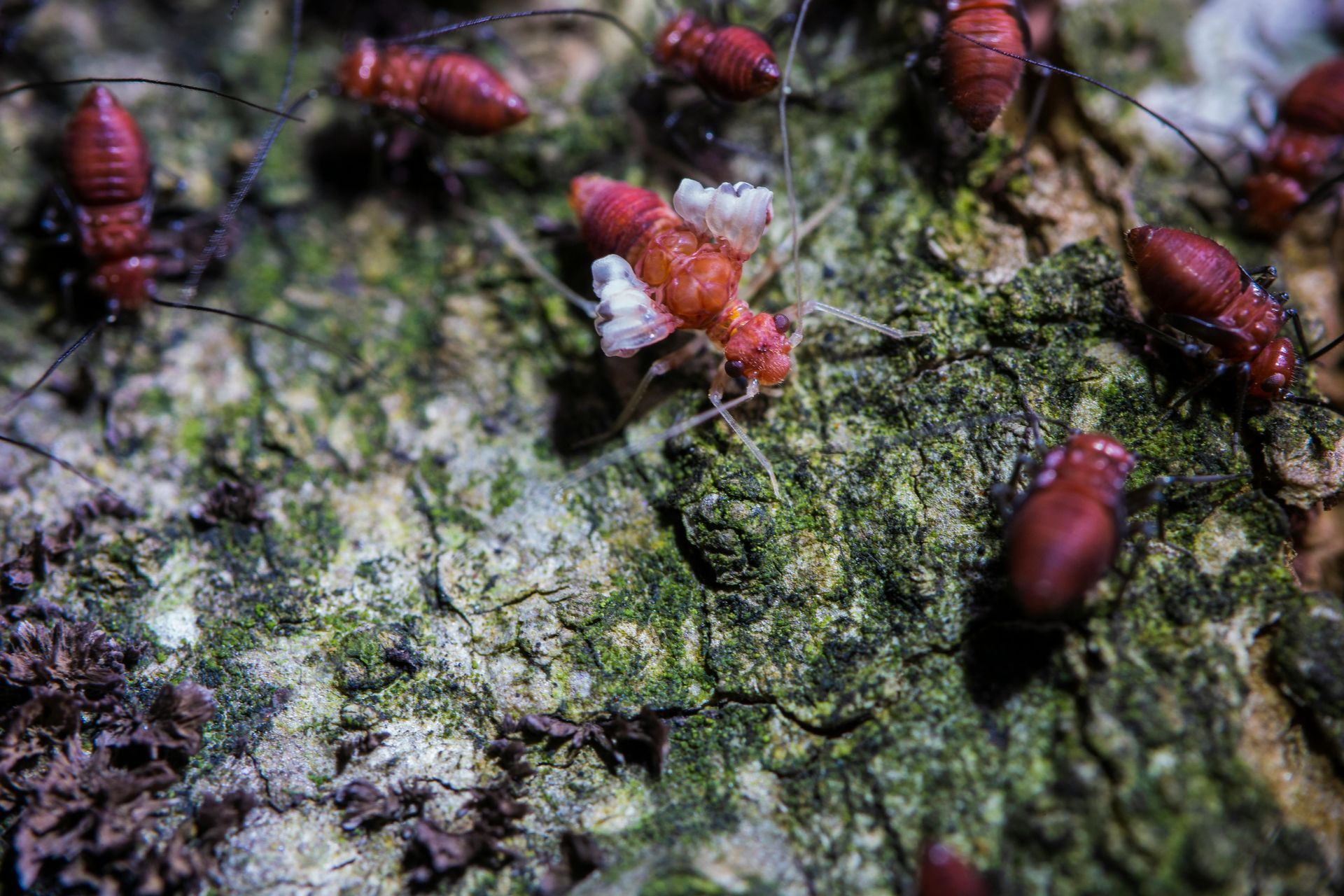
Traditional houses often rely heavily on timber framing, and termites attack cellulose-based materials like timber. In our modular buildings, the main structure is built around engineered steel framing, galvanised steel components, steel external skin, Colorbond steel roofing, fibre-cement sheet flooring, aluminium windows and doors, and other non-timber structural materials. That means termites have far less to attack compared with a conventional timber-frame home.
In the 29 Berkeley specification, Container Homes lists “LGS structural frame and galvanised steel components” as key inclusions, and directly compares our structure as “Engineered steel frame” versus a typical builder’s “Timber frame.”
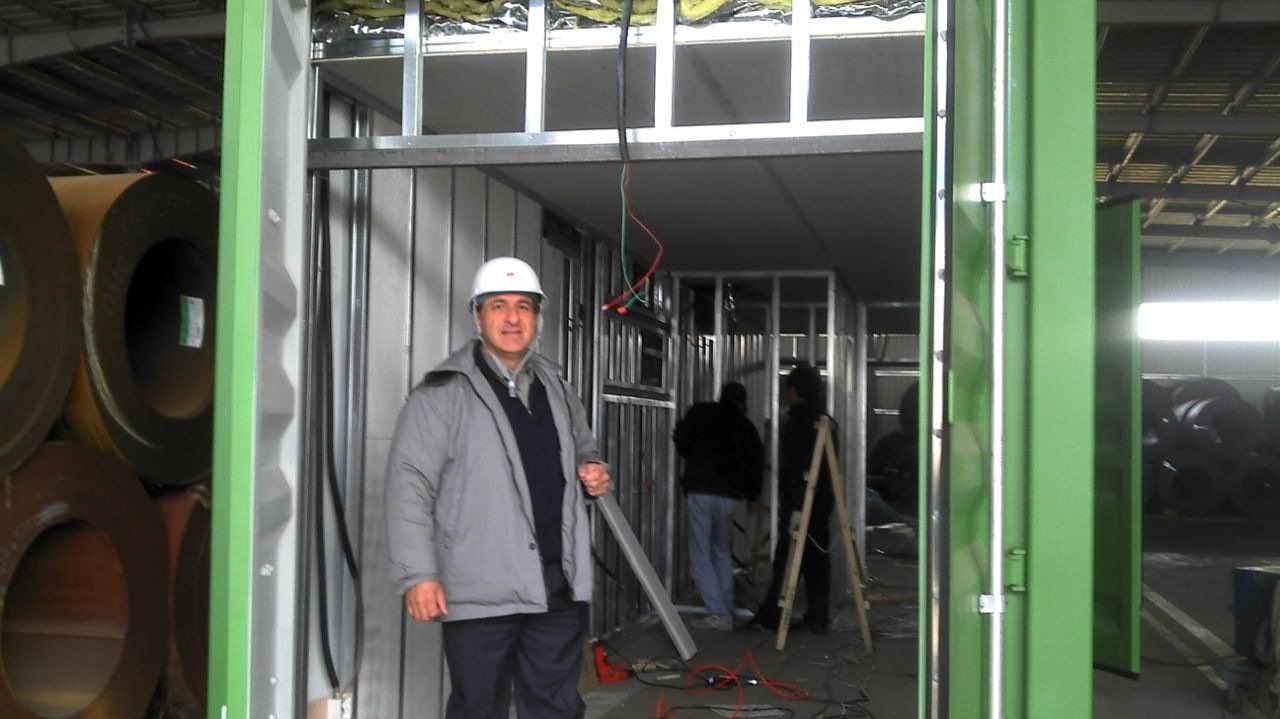
For the Newpave modular building specification, the structure system includes light gauge steel frame for wall panels, floor joists and roof trusses, plus hot-dipped galvanised structural steel frame decking. It also specifies 18mm fibre-cement sheet for the dry floor base, which is not a timber structural floor system.
Older company material also describes the modular accommodation system as using a structural steel frame and sheet steel external skin, with decks and walkways on steel frames.
So the simple customer answer is:
Our homes are highly termite-resistant because the main structure is steel, not timber. Termites do not eat steel, galvanised steel, Colorbond, aluminium, fibre cement or AAC/Hebel wall panels. This greatly reduces termite risk compared with traditional timber-frame construction.
The important thing to say honestly is that no building should be marketed as completely termite-proof. Termites can still affect nearby timber decks, landscaping, stored timber, furniture, cabinetry, skirting, or other cellulose-based materials if they are present. The site still needs normal termite management, especially in termite-prone areas.
A strong website/blog wording would be:
How Do Container Homes Stand Up Against Termites?
Container Homes are designed with a major advantage over many traditional houses: our buildings use steel-based modular construction rather than relying on a conventional timber frame.
The main structural system can include engineered light gauge steel framing, galvanised steel components, steel roof systems, steel external elements, fibre-cement flooring sheets, aluminium windows and doors, and durable wall systems. Because termites feed on timber and other cellulose materials, a steel-framed modular home gives termites far less opportunity to cause structural damage.
This makes our modular homes a practical choice for Australian conditions, especially in regions where termite activity is a concern. A traditional timber-frame home can suffer serious structural damage if termites enter the walls, floors or roof framing. In contrast, the core structure of a Container Homes modular building is based on steel, which termites cannot eat.
However, good building practice is still important. Any timber decks, landscaping sleepers, stored timber, garden beds, cabinetry or untreated timber elements around the home should be managed carefully. Owners should also follow local pest inspection advice and maintain proper drainage, ventilation and site cleanliness.
In short: our steel-framed modular homes are not attractive to termites in the way timber-frame homes are, making them a stronger and more termite-resistant building option.
More Blog Articles