The Importance of Water Heater Maintenance

Samuel Halsa • June 11, 2025
Return to Blog

Avoiding Cold Surprises
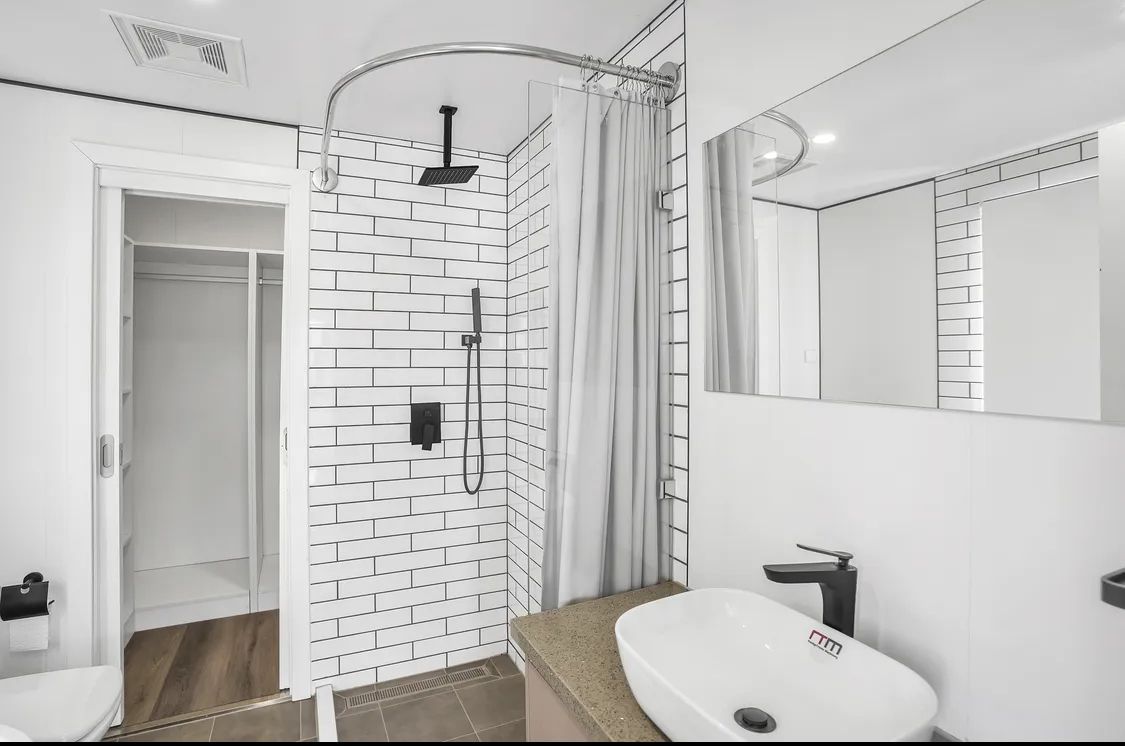
Modern bathroom with white and black tile shower, oval sink, large mirror, and open doorway to a closet.

A hot shower in the morning. Clean dishes from the dishwasher. Fresh laundry. These everyday comforts all have one unsung hero in common — your water heater. Yet despite being such an important part of our homes, the humble water heater rarely gets the attention it deserves — until something goes wrong.

In Australia where we rely on hot water systems all year round, regular water heater maintenance isn’t just good practice — it’s essential. Without it you could be left with a cold shower, a higher energy bill or worse, a costly repair or full replacement. 

Here’s why water heater maintenance is so important and what every Aussie homeowner should know.

1. Avoiding Cold Surprises

No one likes to step into a cold shower in the middle of winter. Unfortunately this is often what prompts many people to finally check on their water heater — after it’s already failed.

Regular maintenance can prevent these cold shocks. By having a licensed plumber inspect and service your water heater annually, minor issues like sediment build up, worn valves or rusting components can be caught early — before they snowball into complete system failure.

In areas with hard water (like parts of Western Australia or South Australia) sediment can be especially aggressive. These mineral deposits settle at the bottom of the tank reducing efficiency and slowly corroding the unit from within.

2. Energy Efficiency = Lower Bills

Let’s face it — energy prices in Australia aren’t getting cheaper. Water heaters, especially older or unserviced models can become less efficient over time. A unit working harder to heat water due to internal build up will naturally use more energy and increase your electricity or gas bill.

According to After Hours Plumbing, regular maintenance is key to keeping your system running at its best. Flushing the tank, inspecting heating elements or burners, and checking the thermostat all help ensure you’re getting the most out of every kilowatt or megajoule.

For solar hot water systems which are common in sunny states like Queensland and NSW it’s just as important to inspect the solar collectors and pumps. These systems can save a lot of energy — but only when they’re working efficiently.

3. Prolonging the Lifespan of Your System

Most water heaters have a life expectancy of 8 to 12 years. But without maintenance it’s not uncommon to see systems fail early, sometimes within 5 or 6 years. 

Replacing a water heater can cost thousands depending on the model and installation requirements. A small investment in yearly maintenance can delay that expense and save you in the long run.

4. Safety First

A faulty water heater isn’t just an inconvenience — it’s a safety risk. Pressure build up in the tank, malfunctioning thermostats or faulty temperature and pressure relief (TPR) valves can lead to leaks, scalding water or even tank explosions in extreme cases.

For gas heaters there’s also the added risk of gas leaks or carbon monoxide emissions. Regular inspections by a licensed plumber or gas fitter will identify these risks before they become hazards.

In fact under Australian law certain components — like the TPR valve — are recommended to be tested every 6 months and replaced every 5 years even if they appear to be working fine.

5. Warranty Coverage

Many Australians don’t realise that skipping maintenance could void their water heater warranty. Most manufacturers clearly state in their product documentation that regular servicing by a licensed technician—often every 12 months—is a condition of warranty coverage. 

So if your unit fails within the warranty period but there’s no service record you may have to pay for the repair or replacement yourself. Keeping a log of all maintenance and servicing gives you peace of mind if you ever need to make a warranty claim.

6. Environmentally Friendly Living

With Australia’s focus on sustainability and water conservation it’s worth noting that a well maintained hot water system is also a greener one. Efficient systems use less energy, heat water faster and reduce water waste from running taps while waiting for hot water to arrive.

Modern hot water units are built with eco-efficiency in mind, and some households may qualify for government rebates or discounts when upgrading. Without regular maintenance, however, even the best systems can lose performance. A simple service check helps reduce your environmental impact and keeps your system rebate-ready and cost-efficient.

7. What Should Regular Maintenance Include?

While the specifics will depend on the type of system you have, general maintenance should cover:

  • Flushing the tank to remove sediment build up
  • Testing the TPR valve to ensure it’s working
  • Inspecting anode rods for electric tanks which help prevent internal rust
  •  Check for leaks, corrosion or wear
  • Check thermostat and heating elements
  • Check gas components (for gas systems) for ventilation and function
  • Clean solar panels (for solar systems) and check pumps/inverters

In most cases this should be done by a licensed plumber at least once a year. If your system is over 8 years old or you notice odd noises, discoloured water or fluctuating water temperature it’s time to book a service sooner rather than later.

Don’t DIY Unless You’re Licensed

In Australia plumbing and gasfitting work is strictly regulated. It’s illegal — and dangerous — to tamper with these systems unless you’re properly licensed. Even for small tasks it’s always best to call in a qualified professional. Not only does this ensure your safety but it also keeps your insurance and warranty intact.

If you’re unsure who to call, check that your plumber is registered with your state’s plumbing authority and that they provide compliance certificates for the work done.

Keep the Hot Water Flowing: A Simple Habit That Pays Off

A well-maintained water heater is like a silent partner in your daily routine. When it’s working properly, you hardly think about it — but when it breaks down, you’ll notice right away.

Regular servicing not only saves you money and prevents unexpected failures but also improves energy efficiency, extends the life of your system and ensures your family’s safety. Whether you live in a city apartment in Melbourne or a coastal home in the Gold Coast, looking after your water heater just makes sense.


So don’t wait until your next cold shower to take action. Book a maintenance check and keep your hot water flowing — reliably, efficiently and safely.


👉 Next Step:


More Blog Articles

By Samuel Halsa May 12, 2026
Australia is changing. Families need faster housing options, developers need smarter building solutions, regional communities need practical accommodation, and businesses need strong buildings that can be delivered without the long delays of traditional construction. That is where Container Homes Designer Domain Pty Ltd (CHDD) comes in. CHDD designs and delivers custom modular steel homes, cabins, offices, worker accommodation, commercial buildings and scalable modular communities across Australia. These are not simple container conversions. They are strong, comfortable and practical modular buildings designed for real Australian conditions. Build a Home, Not a Box Many people hear “container home” and imagine a basic metal box. CHDD takes a very different approach. Our buildings are designed as real living and working spaces. They can include kitchens, bathrooms, bedrooms, laundries, storage, insulation, double-glazed windows, sliding doors, decks, solar options and quality finishes. The goal is simple: create buildings that are practical, comfortable and made to suit the way Australians live and work. Built for Real Australian Conditions Australia presents unique building challenges. Heat, wind, distance, transport costs, remote locations and changing site conditions all affect how a building performs. CHDD modular steel buildings are designed with these challenges in mind. Strong steel construction, smart layouts and transportable modular design make them suitable for a wide range of projects, from private homes to remote worker accommodation. Whether the project is in a regional town, on rural land, near the coast, on a tourism site or in a remote work location, modular steel construction offers strength, speed and flexibility. More Than Homes CHDD supports a wide range of modular building solutions, including: Container Homes Custom modular steel homes designed for comfortable everyday living. Granny Flats and Secondary Dwellings Smart compact housing for family, rental income or extra space. Eco Tourism Cabins Fast-deploying cabins for farm stays, retreats, resorts and regional tourism projects. Worker Accommodation Durable modular buildings for farms, mining, infrastructure, construction and remote projects. Modular Communities Scalable housing solutions for councils, developers, government projects, social housing, emergency accommodation and regional communities. Commercial Buildings Offices, classrooms, medical rooms, amenities, laundries, kitchens and site facilities. The Future Is Modular Communities Australia needs faster, smarter and more affordable housing solutions. Traditional construction can be slow, expensive and difficult to manage, especially in regional or remote areas. Modular communities offer a practical alternative. Instead of building one structure at a time using slow on-site methods, modular steel buildings can be designed, manufactured and deployed in a more efficient way. This makes them ideal for housing projects, worker villages, emergency accommodation, tourism developments and community housing. CHDD’s vision is to help create practical, comfortable and scalable modular communities built for real people, real needs and real Australian conditions. Why Choose CHDD? CHDD brings together custom design, strong steel construction and practical modular thinking. Every project can be adapted to suit the client’s land, lifestyle, budget and purpose. Whether it is a small cabin, a family home, a commercial building or a complete modular village, the focus remains the same: strength, comfort, speed and flexibility. CHDD buildings can include: Fully functional kitchens and bathrooms Climate insulation Heating and cooling options Double-glazed windows and sliding doors Fold-out decks and outdoor living spaces Solar and off-grid power options Water storage and treatment systems Custom internal layouts Strong steel structure Transportable modular design A Smarter Way to Build Modular steel construction is not just about speed. It is about creating smarter building solutions that suit modern Australian needs. For families, it can mean getting into a home faster. For landowners, it can mean adding extra accommodation or rental income. For tourism operators, it can mean expanding accommodation quickly. For businesses, it can mean practical offices, amenities and site buildings. For councils and government bodies, it can mean scalable housing solutions for communities that need support. CHDD is helping move modular construction beyond the idea of a simple container and into the future of real homes, real buildings and real communities. Start Your Modular Project Whether you are planning a private home, granny flat, eco cabin, worker village, commercial building or modular community, CHDD can help turn your idea into a practical building solution. Container Homes Designer Domain Pty Ltd Phone: 02 9056 5028 Email: info@containerhomes.net.au Website: www.containerhomes.au Build smarter. Build stronger. Build modular
By Samuel Halsa May 10, 2026
Yes — modular containers are very suitable for commercial buildings , especially when they are purpose-built , engineered and fitted out for the intended use. For Container Homes, the strongest commercial uses include: Site offices Command centres and control rooms Warehouses and storage buildings Worker accommodation Lunchrooms and staff amenities Public toilets and ablution blocks Pop-up shops and mobile food outlets Classrooms and training rooms Remote project facilities Mining, civil, infrastructure and industrial site buildings Your own documents support this positioning. Container Homes is described as being engaged in the design, manufacture and supply of modular prefabricated structures , and the Newpave/Roadtek project was specifically for modular command-centre units . They are suitable because commercial clients usually need buildings that are: Fast to deploy — your premium quote compares Container Homes manufacturing time at 6–10 weeks , compared with typical building time of 6–12 months . Strong and durable — your specifications include LGS structural frame, galvanised steel components, AAC/Hebel wall panels, Colorbond roofing, insulation, double-glazed aluminium windows and doors . Flexible — your website already has product categories for commercial trailers, containerized integration, flat-pack buildings, mobile food and pop-up shops, public toilets, remote work camps and steel construction. Cost controlled — modular buildings can be quoted as a defined supply package, while traditional building costs often move due to labour, weather, site delays and variations. Your quotation highlights “fixed supply cost” compared with typical variable builder costs. A strong website answer would be: Yes, modular container buildings are highly suitable for commercial use. They can be designed as offices, warehouses, command centres, classrooms, public amenities, worker accommodation, retail spaces and industrial site facilities. Because they are manufactured off-site using engineered steel systems, they can often be delivered faster, with less disruption and better cost control than many traditional building methods. The important disclaimer is that each project still needs to satisfy council approval, site access, engineering, fire safety, accessibility, services, certification and intended-use requirements . For commercial projects, the design should be planned around the business use from the beginning, not treated like a simple converted shipping container.
By Samuel Halsa May 10, 2026
What Is a Tiny Home on Wheels?
Show More